Issue · Criminal Justice

Criminal Justice

Every criminal justice bill, vote, and legislator stance in Colorado, automatically classified by Maddy, our AI policy reader.

Total bills
128
119th Congress
Top supporter
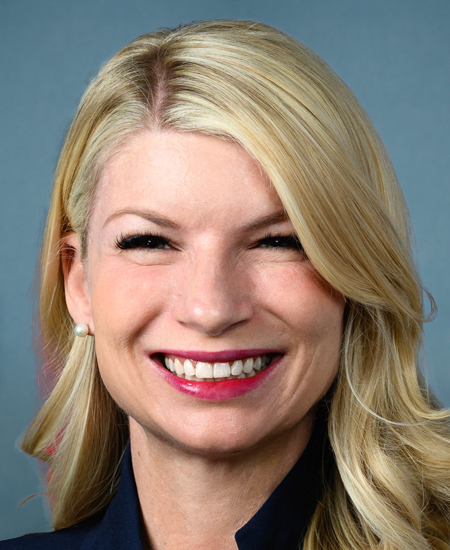
Brittany Pettersen
65% support rate
Top opponent
John W. Hickenlooper
16% support rate
Ranked legislators
9
4 support · 5 oppose
Key legislators

Who's moving criminal justice in Colorado

Legislators moving criminal justice in Colorado
Legislator Party Stance Support rate Votes
Brittany Pettersen
Brittany Pettersen House · District 7
D
Support
65% 136
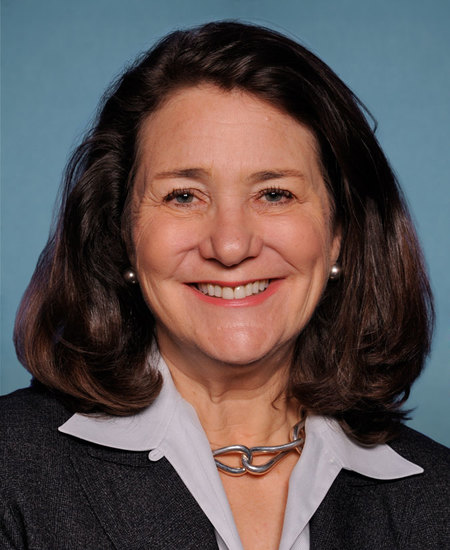
Diana DeGette
Diana DeGette House · District 1
D
Support
63% 154
Joe Neguse
Joe Neguse House · District 2
D
Support
63% 154
Jason Crow
Jason Crow House · District 6
D
Support
63% 153
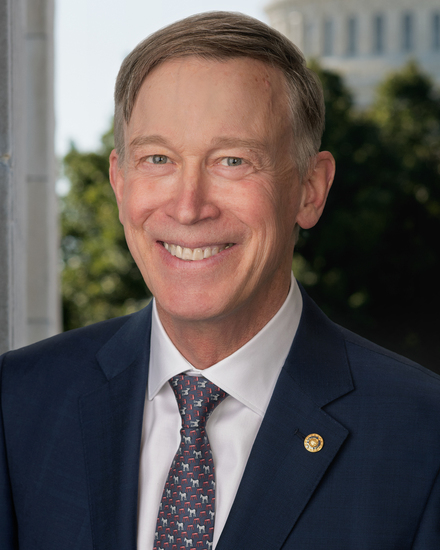
John W. Hickenlooper
John W. Hickenlooper Senate
D
Strong −
16% 171
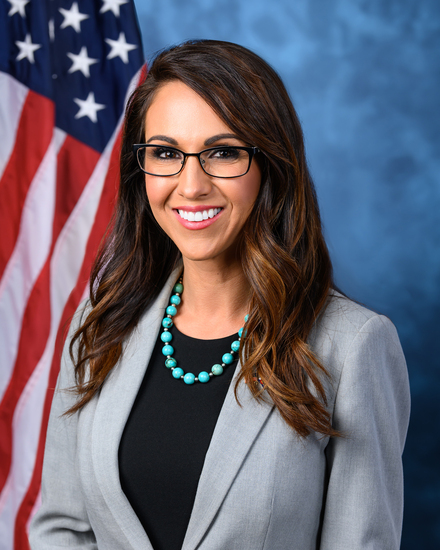
Lauren Boebert
Lauren Boebert House · District 4
R
Oppose
37% 153
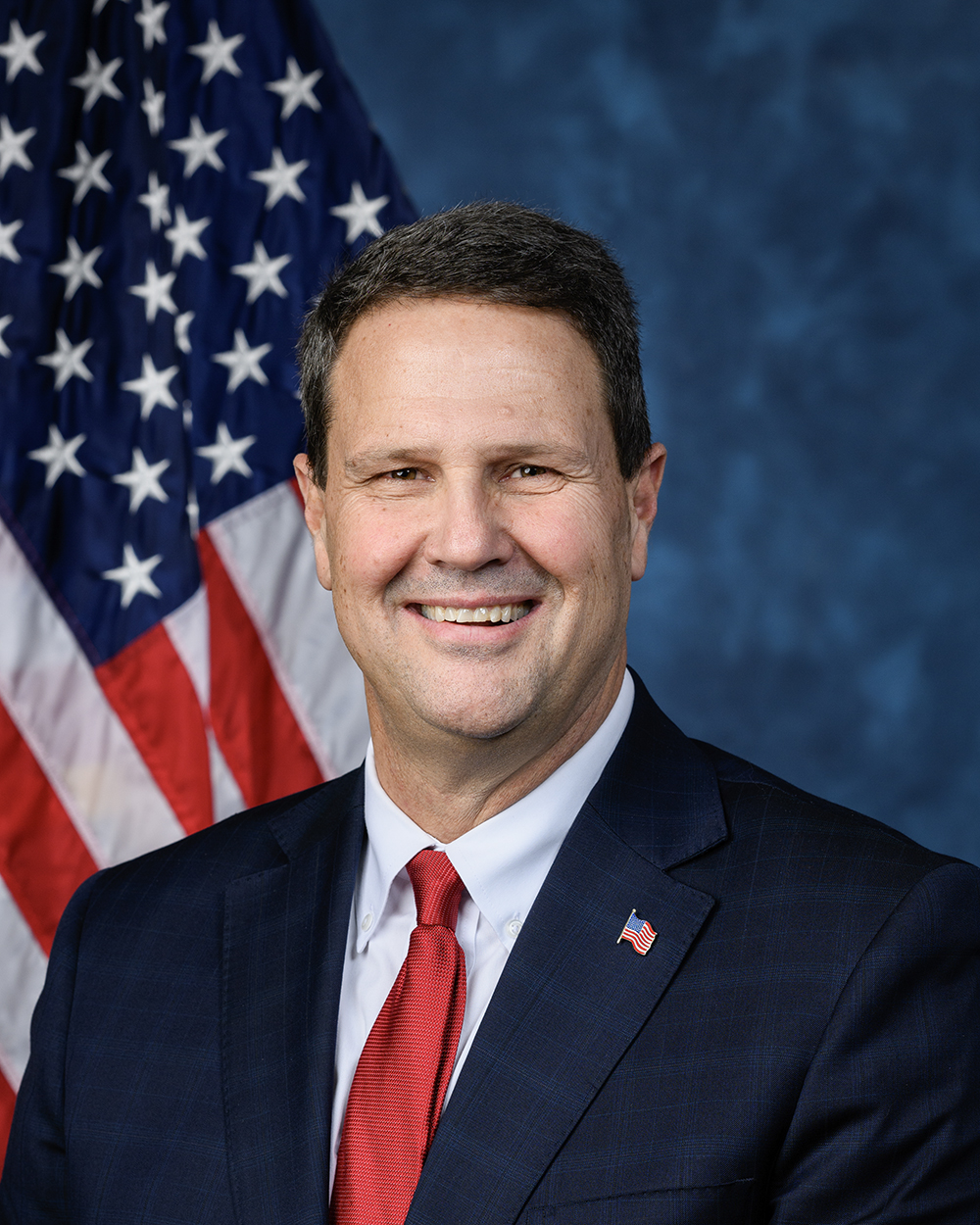
Jeff Hurd
Jeff Hurd House · District 3
R
Oppose
37% 153
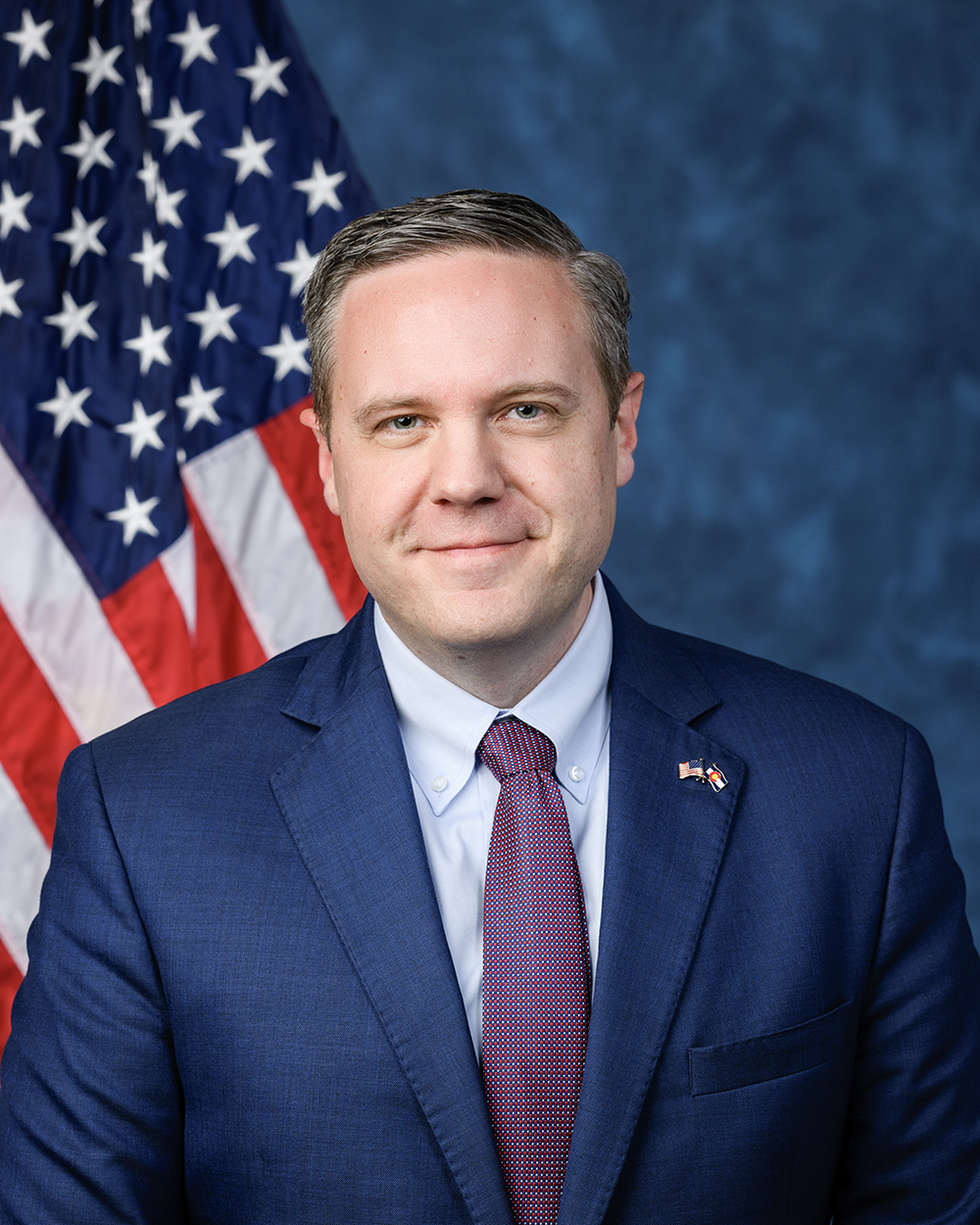
Jeff Crank
Jeff Crank House · District 5
R
Oppose
37% 154
Gabe Evans
Gabe Evans House · District 8
R
Oppose
37% 154
Showing 1–10 of 128 bills

All criminal justice bills

in committee · United States · House Sep 3, 2026

HR 10249: Kids Safety on Set Act of 2026

The Kids Safety on Set Act of 2026 mandates that adults with supervisory roles or frequent private contact with minors on entertainment productions must pass a criminal background check within 90 days before starting work. This check, which costs no more than $100 and is paid by the production company, specifically screens for offenses involving sex, violence, stalking, or minors. If a production employs someone who fails to meet this requirement, the Attorney General can seek a civil penalty of up to twice the cost of that person's project involvement. Additionally, the law requires an immediate halt to all production activities involving the non-compliant employee until they are terminated and stripped of any ownership interest greater than 2 percent in the project.
in committee · United States · House Jul 22, 2026

HR 9845: Public Safety Officers’ Benefits Enhancement Act of 2026

The Public Safety Officers' Benefits Enhancement Act of 2026 modifies how public safety officers can claim federal benefits related to line-of-duty injuries. It simplifies the claims process by removing a requirement that injuries must be caused by factors other than pre-existing cardiovascular risks and extends the time limit for reporting certain incidents from 24 to 72 hours. These changes apply to any benefit claims that are pending or filed after the law is enacted. The bill directly affects public safety officers seeking compensation for work-related injuries.
Tags Public Safety
in committee · United States · Senate Jul 16, 2026

S 5022: Cannabis Administration and Opportunity Act

The Cannabis Administration and Opportunity Act fundamentally changes federal law by removing marijuana from the Controlled Substances Act, effectively decriminalizing it at the federal level and allowing states to regulate their own cannabis markets without federal interference. To manage this new landscape, the bill creates a new federal agency called the Alcohol, Tobacco, and Cannabis Tax and Trade Bureau to oversee licensing, collect taxes, and prevent illicit trade, while also establishing a new Center for Cannabis Products within the FDA to regulate safety and labeling. The legislation includes significant restorative justice measures, such as automatically expunging federal cannabis convictions and prohibiting discrimination against individuals with such records in areas like immigration, security clearances, and access to federal benefits. Additionally, the bill provides billions of dollars in funding to support research into the health effects of cannabis, expand access to financial services for legitimate cannabis businesses, and assist communities and individuals harmed by past prohibition enforcement.
in committee · United States · House Jul 14, 2026

HR 9688: High Court Gift Ban Act

The High Court Gift Ban Act prohibits federal judicial officers from accepting gifts from sources likely to appear before them, unless the gift is under $50, the total annual value from that source remains $100 or less, or it falls under specific exceptions like gifts from relatives or public events. The law defines a "gift" broadly to include items, services, and reimbursements, while allowing exceptions for personal hospitality within IRS limits and certain professional benefits available to the general public. Enforcement mechanisms include referrals to the Attorney General for violations, which can result in civil or criminal penalties similar to those for other federal ethics breaches. The bill requires the Supreme Court and the Judicial Conference to create implementing regulations within 180 days of enactment to ensure compliance.
Sub-Topics Courts
in committee · United States · House Jul 7, 2026

HR 9294: Oversight of Temporary ICE Holding Cells Act

The Oversight of Temporary ICE Holding Cells Act limits how long U.S. Immigration and Customs Enforcement can hold individuals in temporary secure areas before formal processing. Specifically, it prohibits detaining anyone in these holding rooms for longer than 12 hours. The law defines holding rooms as secure spaces used for short-term confinement before intake, court appointments, or transfer to another facility. This restriction directly affects the Department of Homeland Security's operations regarding the temporary detention of immigrants.
in committee · United States · Senate Jun 8, 2026

S 4696: Right to Record Act of 2026

The Right to Record Act of 2026 establishes a federal legal right for individuals to record, observe, or peacefully protest federal law enforcement officers in public spaces, while explicitly stating that this right does not apply if a person physically restrains an officer. The bill creates a new cause of action allowing individuals to sue both the officer and the United States government for civil damages, including up to $25,000 per violation and up to $100,000 in punitive damages if the violation was committed with malice or reckless disregard. It defines specific prohibited actions such as arresting, ticketing, or intimidating someone for recording, and mandates that federal agencies provide annual training to officers on respecting these rights.
Sub-Topics Law Enforcement
in committee · United States · House May 29, 2026

HR 9071: Preventing Trafficking of Minors Act of 2026

The Preventing Trafficking of Minors Act of 2026 strengthens federal laws against exploiting individuals under 18 by expanding the definition of prohibited conduct to include engaging in or soliciting commercial sex acts with minors. It removes the legal requirement to prove force, fraud, or coercion when the victim is a minor and establishes that a defendant's lack of knowledge about the victim's age is not a valid defense if they had a reasonable opportunity to observe them. The bill also clarifies that law enforcement officers posing as minors cannot use this as a defense against prosecution and increases the minimum prison sentence to 15 years for offenses involving victims under 14. These changes apply to actions taken 180 days after the law is enacted.
in committee · United States · House May 29, 2026

HR 9078: LEASH Act of 2026

The LEASH Act of 2026 requires law enforcement agencies seeking federal Byrne Justice Assistance Grants to report data on felony animal cruelty convictions, including the names of those convicted. To qualify for these grants, local governments must submit information on such crimes to the Attorney General and join a specific category of jurisdictions that provide this data. The bill also mandates the creation of a publicly accessible database by the Attorney General to store and periodically update these animal cruelty records. These changes directly affect law enforcement agencies and local governments that apply for federal crime prevention funding.
Sub-Topics Law Enforcement
in committee · United States · House Jul 7, 2026

HR 9070: OPEN Act

The OPEN Act establishes stricter rules for immigration enforcement by granting Members of Congress unrestricted access to detention facilities and requiring the Department of Homeland Security to publicly report incidents involving excessive force or misconduct. It mandates that detained individuals receive timely access to legal counsel, family members, and medical care, while also setting new standards for transporting detainees safely and ensuring they are informed of facility transfers. Additionally, the bill prohibits the use of administrative warrants to enter private homes without consent and requires judicial warrants for arrests, while also imposing penalties on facilities that fail to meet safety standards.
in committee · United States · House Jul 7, 2026

HR 9068: TRUST Act

The TRUST Act establishes new hiring standards for immigration enforcement officers, requiring applicants to be at least 20 years old, possess a high school diploma, and undergo rigorous background checks covering criminal history, domestic violence, and social media activity. It mandates that these officers wear specific uniforms, display visible identification badges during public interactions, and carry official ID cards while on duty. The bill also requires all officers interacting with the public to use body-worn cameras, with strict rules on when footage must be activated, retained, and released to the public in cases of misconduct or serious injury. Additionally, the legislation mandates specialized training focused on preventing wrongful detentions, de-escalation techniques, language access, and recognizing medical or mental health emergencies.
Sub-Topics Domestic Violence
Showing 1 to 10 of 128 bills
1 2 3 13 Next