Issue · Labor & Employment

Labor & Employment (Minimum Wage)

Every labor & employment bill, vote, and legislator stance in Arizona, automatically classified by Maddy, our AI policy reader.

Total bills
2
57th Legislature - Second Regular Session
Top supporter
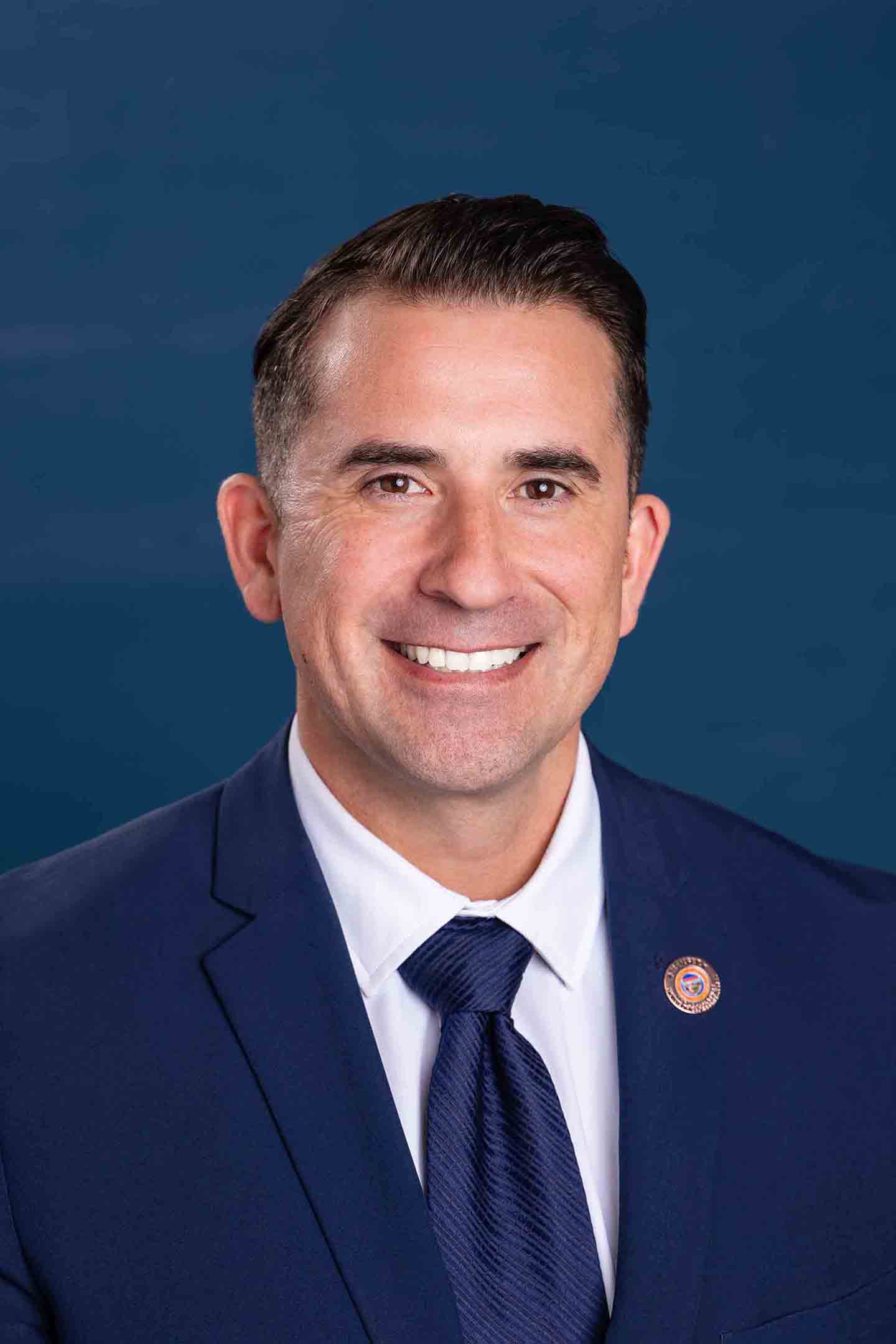
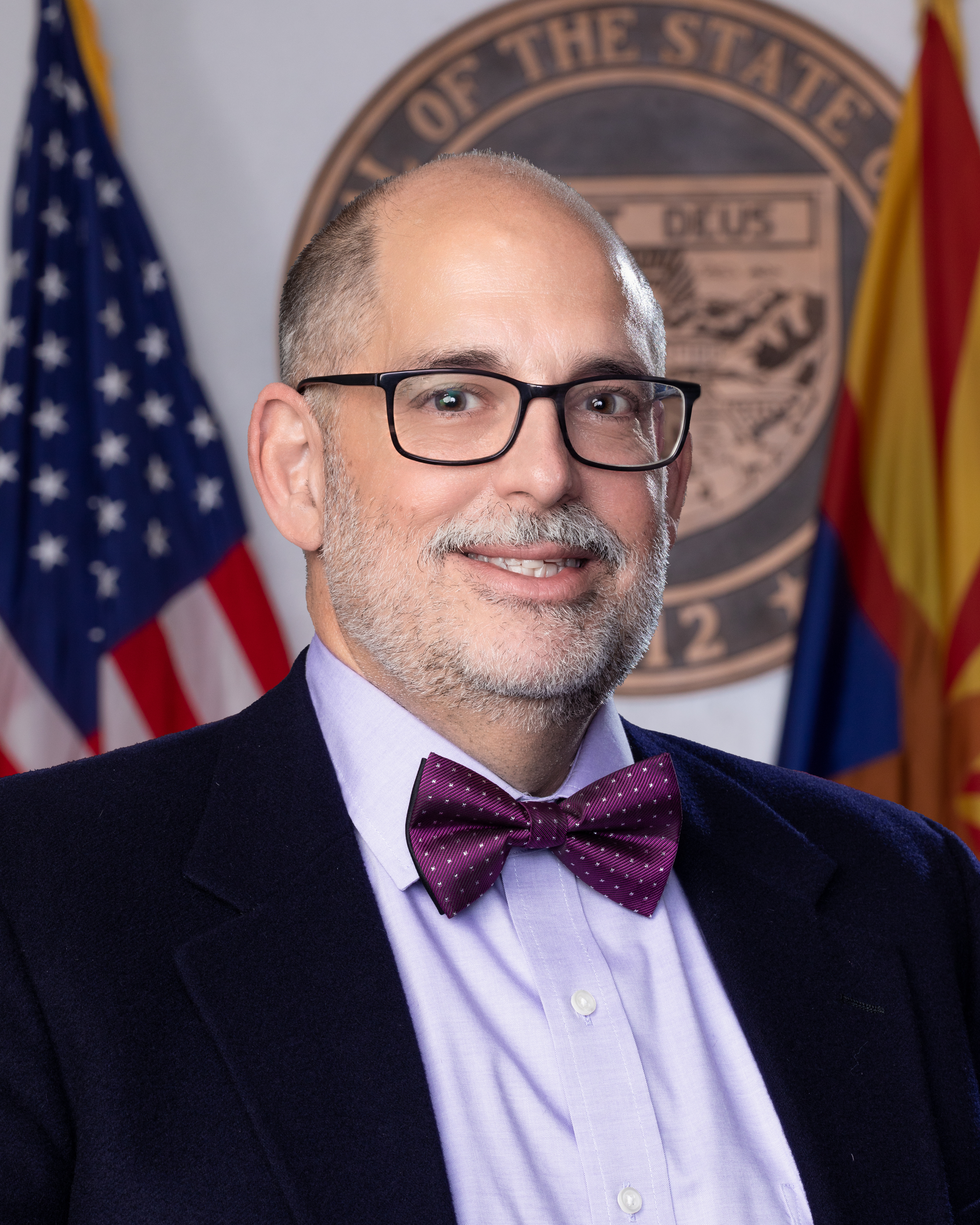
Aaron Marquez
100% support rate
Top opponent
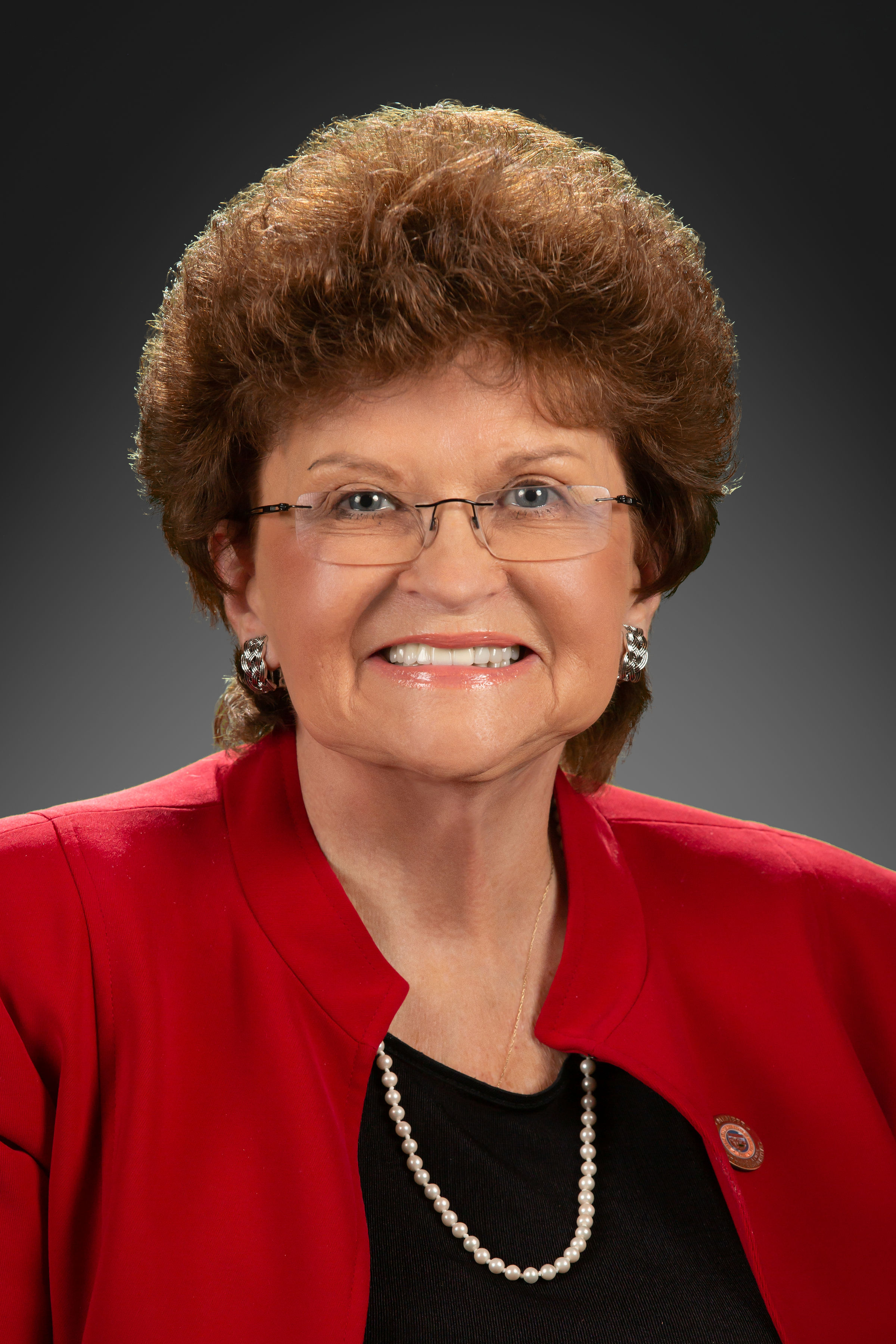
Alex Kolodin
0% support rate
Ranked legislators
10
5 support · 5 oppose
Key legislators

Who's moving minimum wage in Arizona

Legislators moving minimum wage in Arizona
Legislator Party Stance Support rate Votes
Aaron Marquez
Aaron Marquez House · District 5
D
Strong +
100% 3
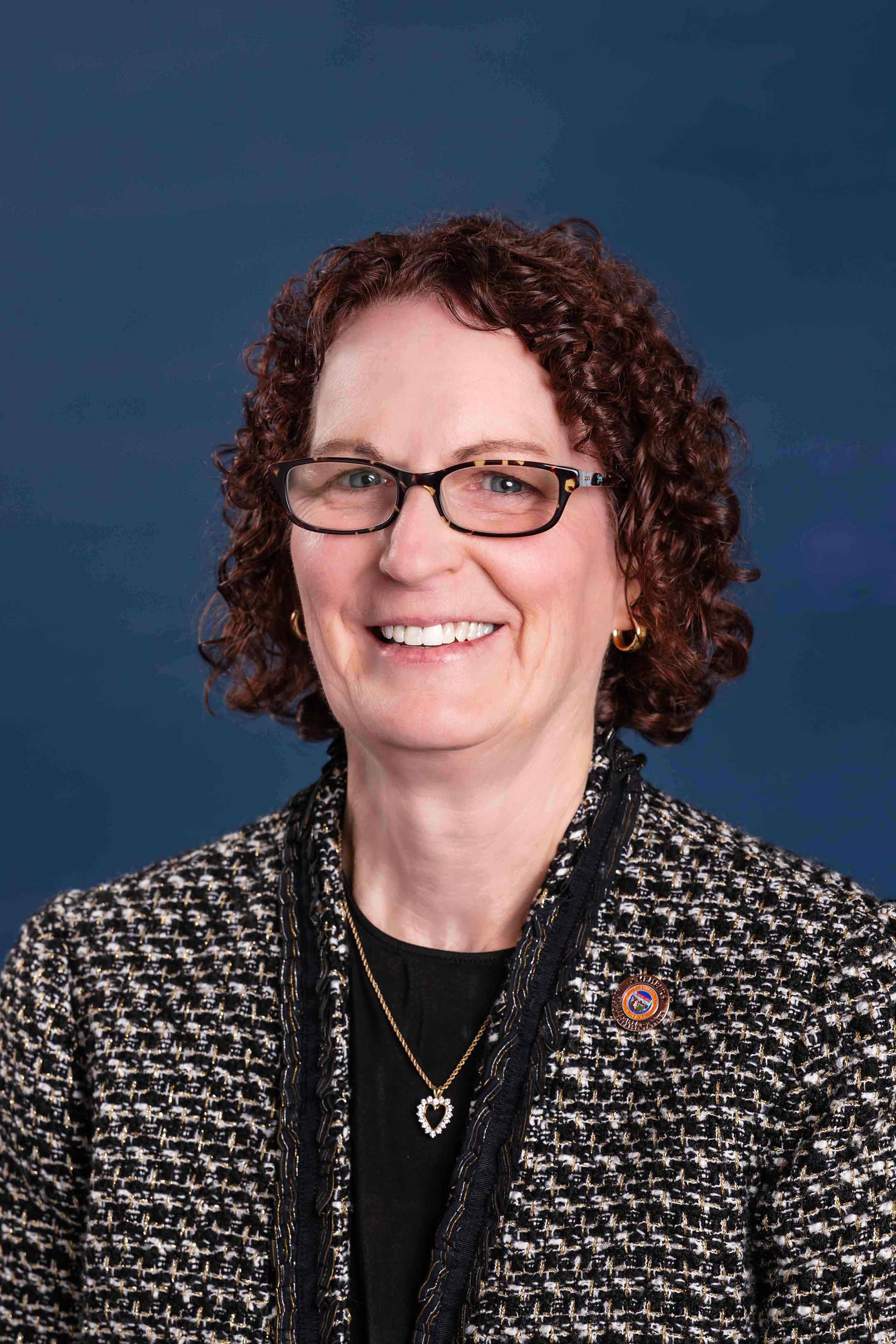
AH
Alma Hernández House · District 20
D
Strong +
100% 3
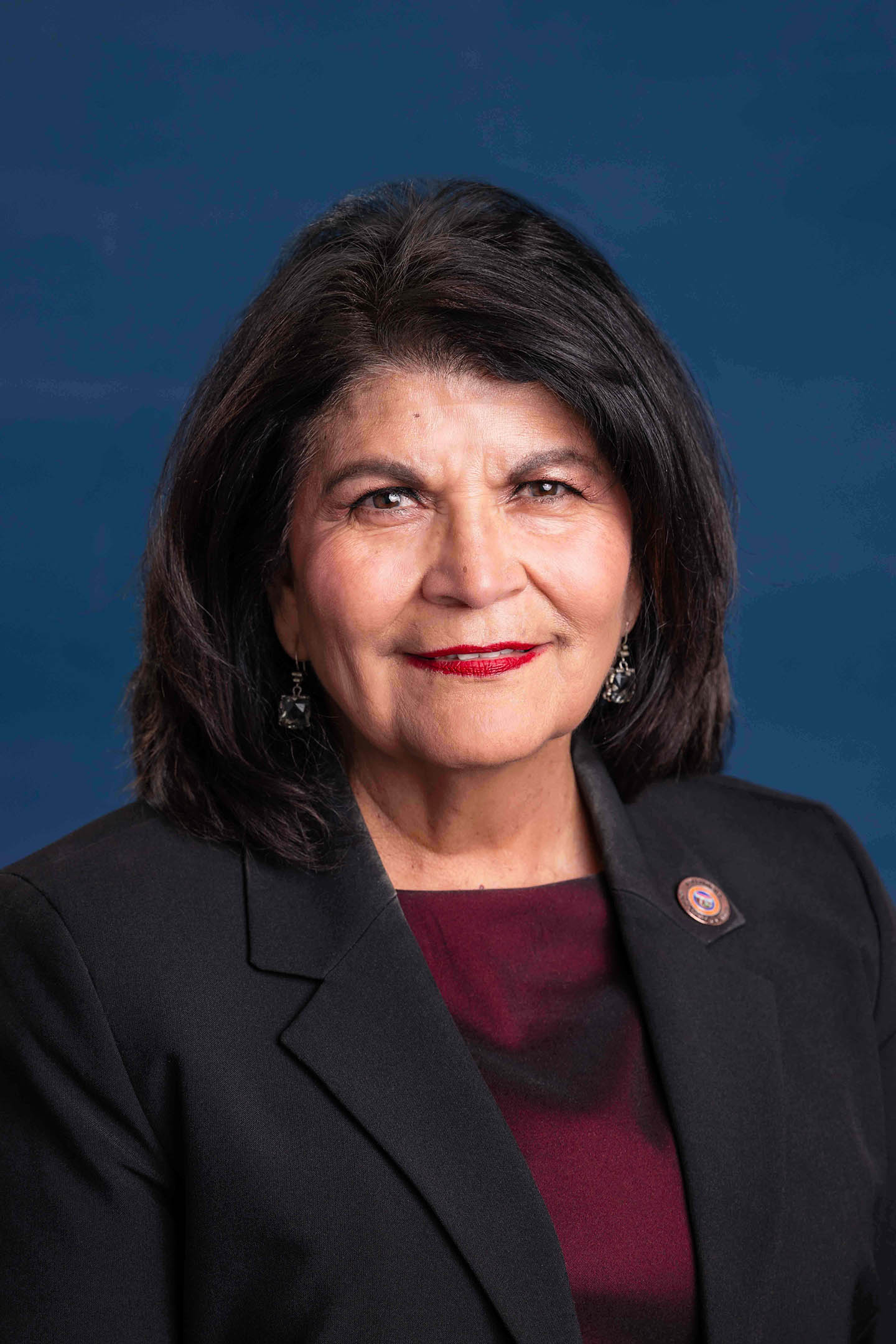
Betty Villegas
Betty Villegas House · District 20
D
Strong +
100% 3
Brian Garcia
Brian Garcia House · District 8
D
Strong +
100% 3
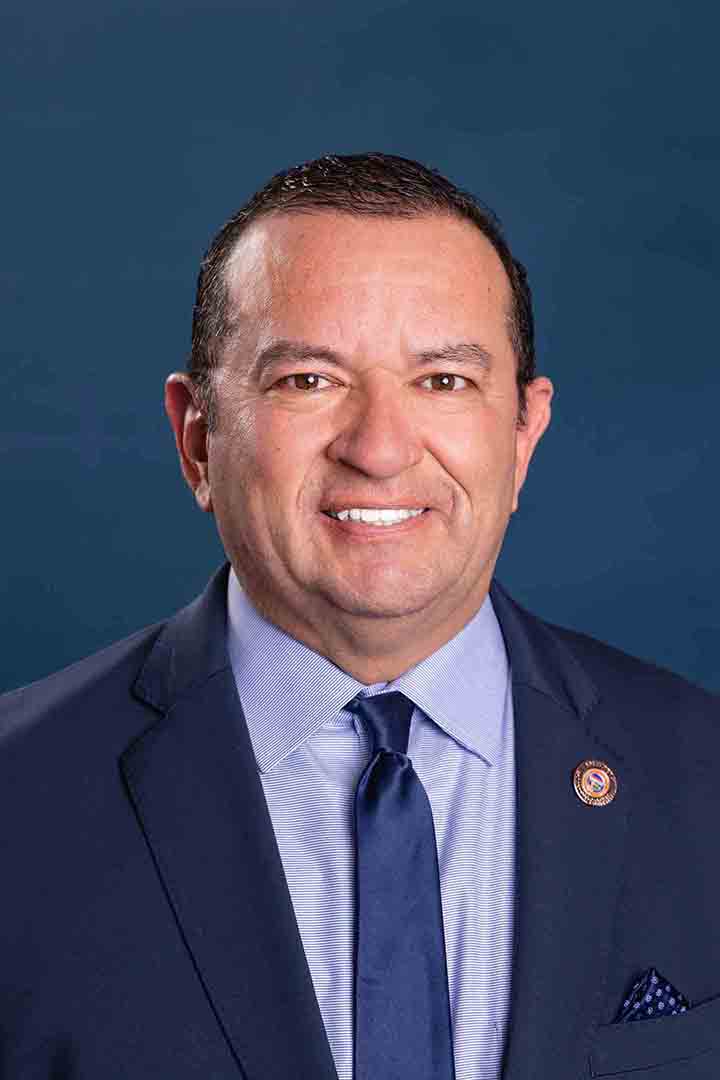
Cesar Aguilar
Cesar Aguilar House · District 26
D
Strong +
100% 3
Alex Kolodin
Alex Kolodin House · District 3
R
Strong −
0% 3
Beverly Pingerelli
Beverly Pingerelli House · District 28
R
Strong −
0% 3
Chris Lopez
Chris Lopez House · District 16
R
Strong −
0% 3
David Livingston
David Livingston House · District 28
R
Strong −
0% 3
Gail Griffin
Gail Griffin House · District 19
R
Strong −
0% 3
Showing 2 of 2 bills

All labor & employment bills

passed both · Arizona · House Jun 15, 2026

HCR 2040: minimum wage; exception; homeless

HCR 2040 proposes an exception to Arizona's minimum wage law, allowing homeless individuals or those at risk of homelessness to voluntarily choose to accept pay below the state minimum wage. The bill would amend Arizona law (ARS 23-363) to permit such individuals to submit written notice to employers opting out of minimum wage requirements. This exception would apply only to employees who meet the homelessness criteria and must be formally documented by the employee. The measure requires voter approval to become law, as it is structured as a referendum.
Sub-Topics Minimum Wage
vetoed · Arizona · Senate Feb 20, 2026

SB 1036: unemployment benefits; requirements; disqualifications; determinations

SB 1036 revises Arizona's unemployment benefit rules to clarify disqualification standards for job seekers who refuse suitable work or fail to actively seek employment. It defines "suitable work" as positions paying at least the minimum wage and exceeding the individual's weekly benefit amount, with exceptions for unlisted job offers. The bill also updates requirements for "shared work" programs, mandating employers to submit detailed plans showing how reduced hours prevent layoffs and maintain fringe benefits like health insurance for affected workers. These changes directly impact unemployment claimants and employers participating in shared work arrangements.