Issue · Labor & Employment

Labor & Employment

Every labor & employment bill, vote, and legislator stance in Arizona, automatically classified by Maddy, our AI policy reader.

Total bills
106
57th Legislature - Second Regular Session
Top supporter
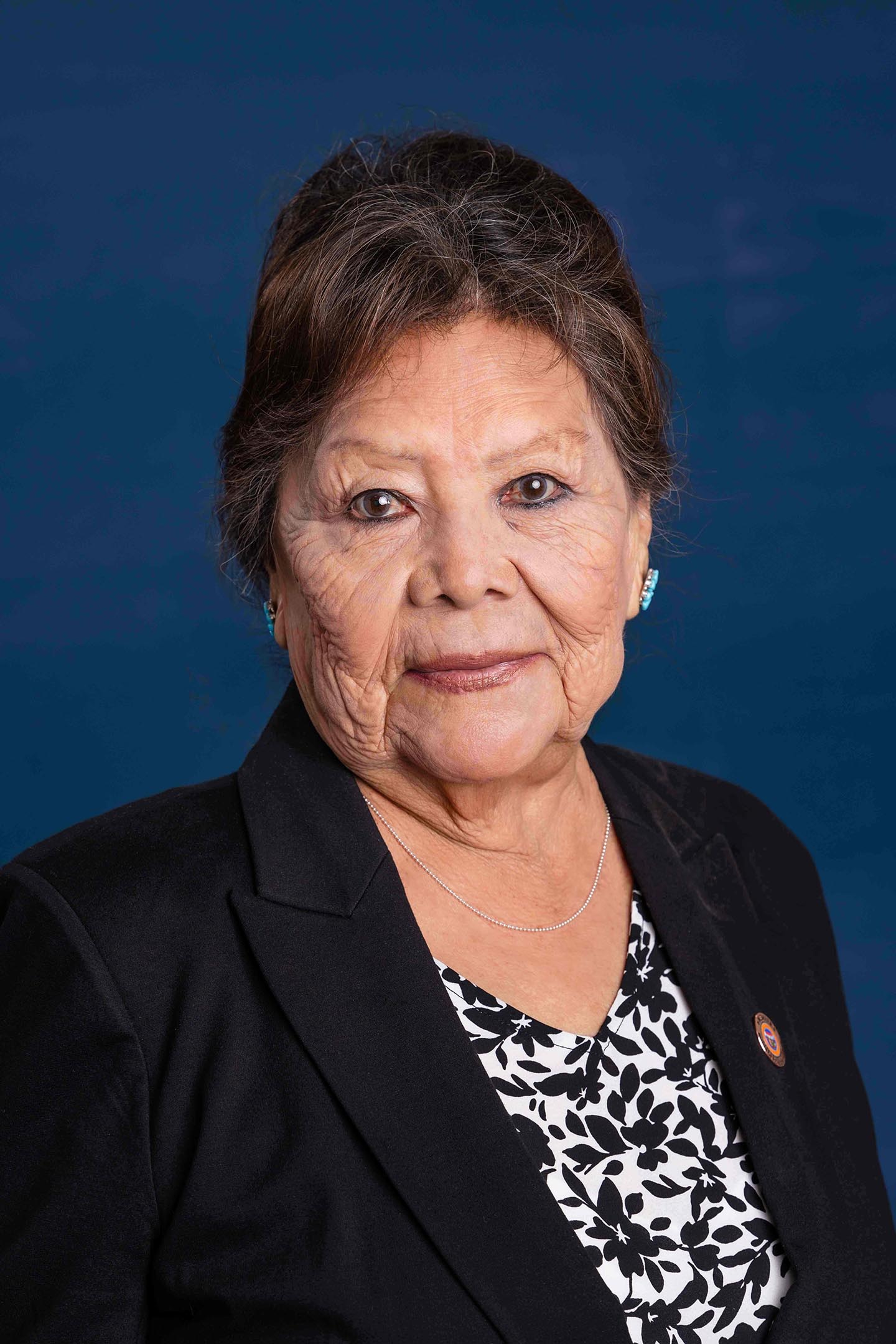
Mae Peshlakai
100% support rate
Top opponent
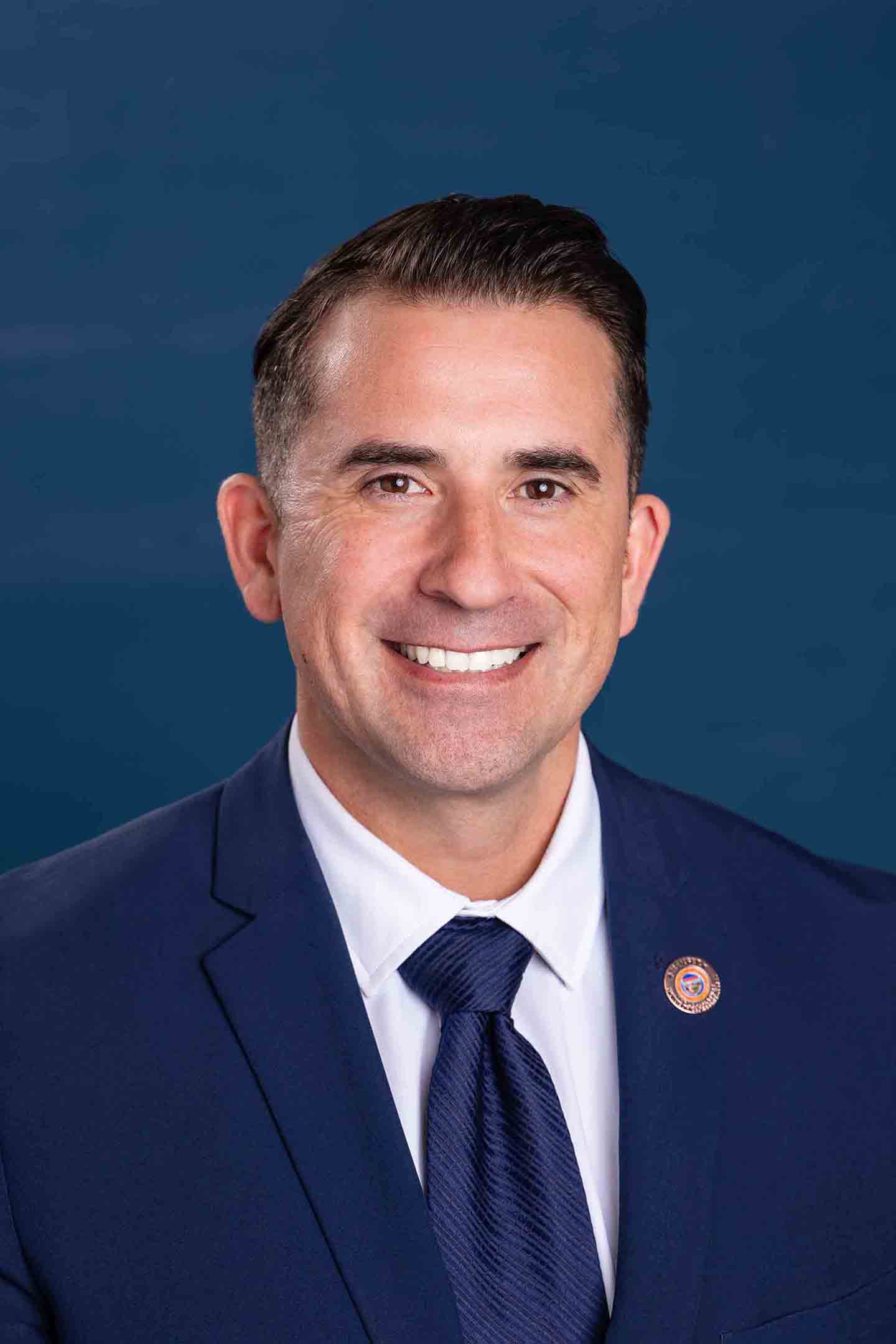
Michael Way
5% support rate
Ranked legislators
10
5 support · 5 oppose
Key legislators

Who's moving labor & employment in Arizona

Legislators moving labor & employment in Arizona
Legislator Party Stance Support rate Votes
Mae Peshlakai
Mae Peshlakai House · District 6
D
Strong +
100% 121
Janeen Connolly
Janeen Connolly House · District 8
D
Strong +
100% 135
Nancy Gutierrez
Nancy Gutierrez House · District 18
D
Strong +
100% 123
Aaron Marquez
Aaron Marquez House · District 5
D
Strong +
96% 170
Sarah Liguori
Sarah Liguori House · District 5
D
Strong +
96% 173
Michael Way
Michael Way House · District 15
R
Strong −
5% 161
Justin Olson
Justin Olson House · District 10
R
Strong −
9% 173
Alex Kolodin
Alex Kolodin House · District 3
R
Strong −
9% 170
Laurin Hendrix
Laurin Hendrix House · District 14
R
Strong −
12% 123
Rachel Keshel
Rachel Keshel House · District 17
R
Strong −
13% 169
Showing 11–20 of 106 bills

All labor & employment bills

introduced · Arizona · House Feb 10, 2026

HB 4015: prisoners; contracts; telecommute

HB 4015 amends Arizona law to establish a new category of prison labor: telecommuting contracts between private companies and the state prison system. It requires a minimum wage of $2.00 per hour for prisoners working remotely under these contracts, higher than the standard $1.50 limit for regular prison labor. This directly affects prisoners participating in private telecommuting programs, who will receive higher compensation but remain classified as non-employees without workers' compensation rights. The bill also updates deduction rules for earnings from these contracts, including mandatory contributions to transition programs and court costs.
Sub-Topics Minimum Wage
introduced · Arizona · House Feb 12, 2026

HB 4089: worker retention; requirements; state contracts

HB 4089 requires contractors working on Arizona state service contracts (covering retail, food, hotel, janitorial, and healthcare services) to offer jobs to employees of the previous contractor within 10 days of taking over. It mandates a 90-day transition period during which contractors must retain eligible workers based on seniority, provide written job offers with a 10-day response window, and maintain a hiring list for remaining positions. The bill bars contractors from retaliating against employees who report violations or help investigate compliance. It directly affects workers in covered service sectors who performed at least 12 months of qualifying work under the previous contract, excluding managers and airline staff.
introduced · Arizona · House Feb 12, 2026

HB 4126: individual savings plan program; appropriation

HB 4126 establishes Arizona's state-run retirement savings program, targeting private-sector employees without access to employer-sponsored retirement plans (excluding government workers, railroad employees, and those in existing tax-qualified plans). The bill creates an Arizona Retirement Savings Board to manage the program, allowing workers to contribute to individual retirement accounts (IRAs) through automatic payroll deductions. Key provisions include requiring the Board to develop investment policies, partner with private administrators, and ensure federal tax compliance for the program. The title references "appropriation" as future funding would be authorized separately, but the bill itself only sets up the program framework.
introduced · Arizona · House Feb 12, 2026

HB 4135: income tax; credit; child care

HB 4135 creates a new child care tax credit for Arizona taxpayers with children under five who use certified child care providers. The credit provides $2,000 per child for families with federal adjusted gross income of $75,000 or less, and $1,000 for incomes between $75,000 and $150,000 annually. A total of $15 million in credits is available each year on a first-come, first-served basis, with excess credits paid as refunds. The credit applies to tax returns filed for 2026 and later, supporting working families seeking quality early childhood care.
Sub-Topics Income Tax Tax Credits
introduced · Arizona · Senate Jan 26, 2026

SB 1301: business relocation; notice; penalty

SB 1301 requires large Arizona employers (50+ full-time equivalent employees) that receive state subsidies to notify the state 120 days before relocating out of state or abroad. Employers violating this notice requirement face daily civil penalties up to $10,000. Relocating businesses lose eligibility for state subsidies for five years and must repay unamortized subsidies received, though the Commerce Authority may grant exceptions to prevent job losses or economic harm. The bill also mandates that state contractors must perform all state-related work within Arizona, with a transition deadline of November 2027 for existing contractors. It directly affects businesses receiving state subsidies who relocate, ensuring accountability for public funds.
introduced · Arizona · Senate Jan 20, 2026

SB 1129: occupational disease; proximate cause; melanoma

Arizona's SB 1129 amends workers' compensation law to create a presumption that melanoma and certain other cancers (like brain, colon, or leukemia) are occupational diseases for peace officers. It directly affects peace officers who developed these cancers after working at least five years in hazardous duty roles (e.g., SWAT or hazardous materials units), provided they had no cancer evidence before employment. The bill presumes the cancer arose from work if the officer was diagnosed while currently employed or within 15 years of retirement (if under age 65), unless tobacco use outside work contributed significantly to respiratory cancers. This changes how claims are evaluated, shifting the burden to employers to prove non-occupational causes for listed cancers.
signed · Arizona · House Jun 4, 2026

HB 2253: testimony; disciplinary action; prohibition

HB 2253 modifies Arizona's process for law enforcement officers appealing disciplinary actions. It requires employers to share investigation files and witness information within 14 days of an appeal request, prohibits retaliation against witnesses for cooperating, and places the burden of proof on employers to justify disciplinary actions. The bill also mandates public hearings (with limited exceptions), sets 10-day deadlines for transcript delivery, and allows limited changes to hearing officers under specific conditions. These provisions aim to standardize appeal procedures and ensure transparency for officers challenging disciplinary decisions.
Sub-Topics Law Enforcement
passed · Arizona · House Mar 3, 2026

HB 2231: firefighters; occupational disease; adenocarcinoma

HB 2231 presumes that certain cancers, including adenocarcinoma, are work-related for Arizona firefighters and fire investigators who meet specific conditions. It applies to current and former firefighters diagnosed with listed cancers (like adenocarcinoma, leukemia, or lung cancer) within 15 years of leaving hazardous duty service, provided they: passed a pre-employment physical without cancer signs, served at least five years in hazardous roles, and meet medical exam standards. The presumption can be challenged if evidence shows non-occupational causes (e.g., tobacco use outside work) contributed to the cancer. This bill expands existing occupational disease protections for firefighters, adding adenocarcinoma to the list of presumed work-related cancers under Arizona law.
passed both · Arizona · Senate Jun 12, 2026

SB 1016: employers; medical products; religious exemption

SB 1016 requires Arizona employers to provide reasonable accommodations for employees whose sincerely held religious beliefs, moral, or ethical beliefs prevent them from using medical products (like vaccines), unless it causes undue hardship. It mandates employers to offer a specific exemption form for such requests and prohibits questioning the sincerity of religious beliefs beyond federal limits. Employers must keep exemption requests confidential and cannot discriminate against employees for refusing medical products. Employees can file complaints with the Attorney General if denied accommodations, leading to potential $5,000 civil penalties for noncompliant employers. The law directly affects employees seeking religious exemptions and Arizona employers subject to medical product requirements.
introduced · Arizona · House Jan 21, 2026

HB 2647: child care; assistance; eligibility.

This bill updates Arizona's child care assistance program rules to expand eligibility and clarify income thresholds. It directly affects low-income families transitioning from cash aid, foster care children, families facing crises (like domestic violence or homelessness), and parents pursuing education or job training. Key changes include setting income limits (assistance ends if income exceeds 165% of the federal poverty level or 85% of state median income), prioritizing families at or below 100% of the federal poverty level, and allowing child care support while parents complete education programs related to employment. The department manages funding through waiting lists and priority categories based on income levels.
Showing 11 to 20 of 106 bills