





Issue · Labor & Employment

Labor & Employment

Every labor & employment bill, vote, and legislator stance in Arizona, automatically classified by Maddy, our AI policy reader.

Total bills
22
57th Legislature - Second Regular Session
Top supporter
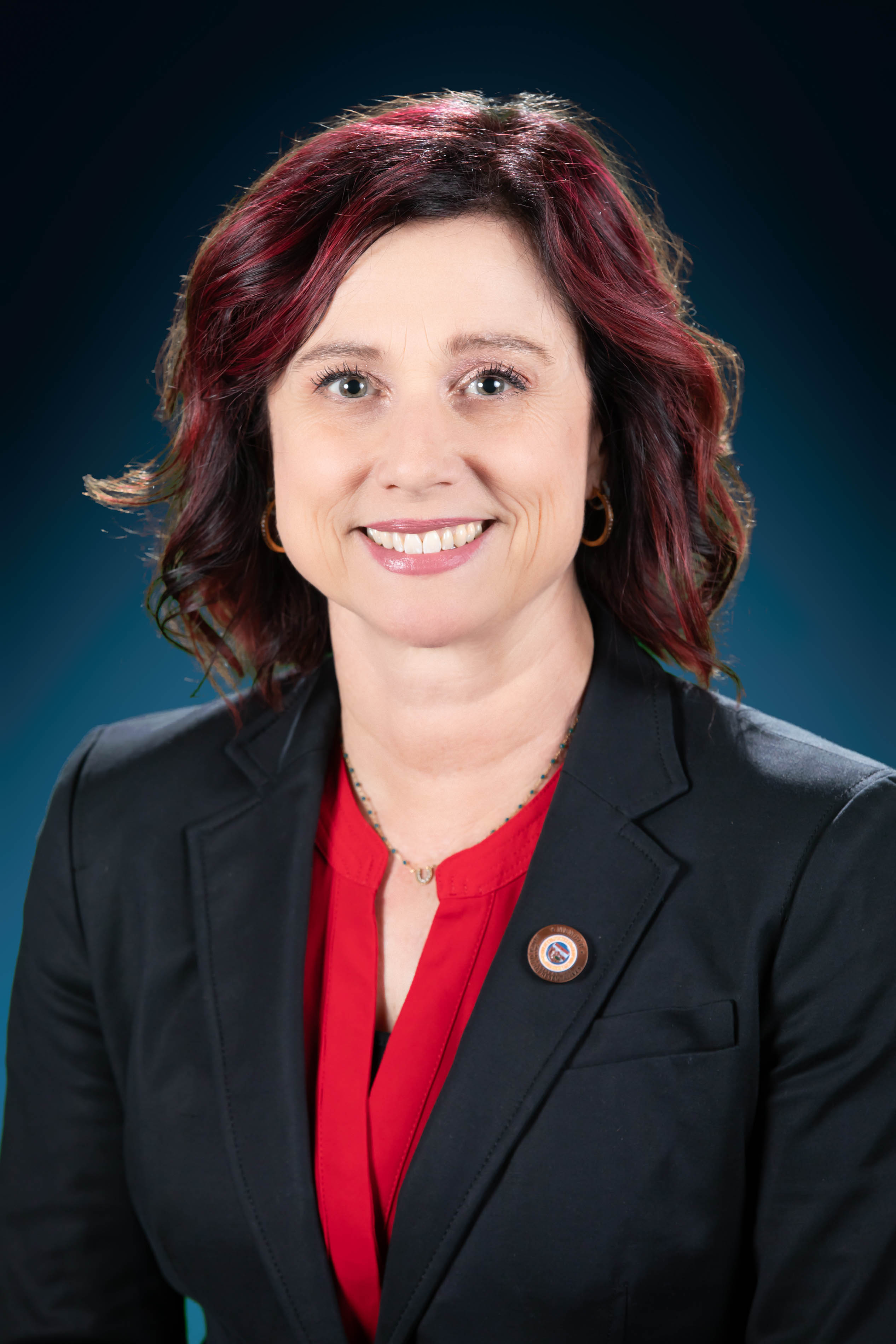
Janeen Connolly
100% support rate
Top opponent
Michael Way
5% support rate
Ranked legislators
10
5 support · 5 oppose
Key legislators

Who's moving labor & employment in Arizona

Legislators moving labor & employment in Arizona
Legislator Party Stance Support rate Decisive votes
Janeen Connolly
Janeen Connolly House · District 8
D
Strong +
100% 17
Nancy Gutierrez
Nancy Gutierrez House · District 18
D
Strong +
100% 17
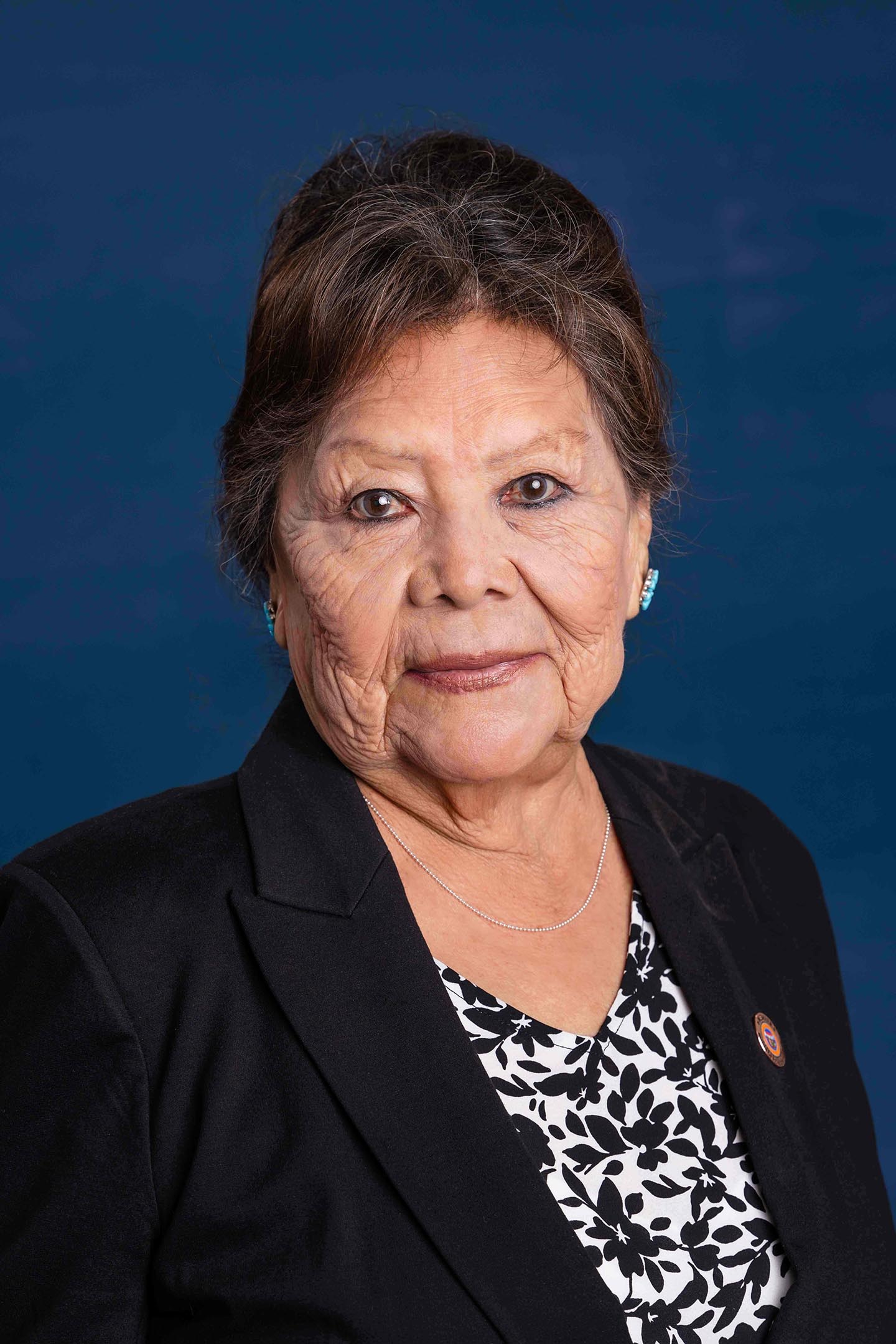
Mae Peshlakai
Mae Peshlakai House · District 6
D
Strong +
100% 15
Aaron Marquez
Aaron Marquez House · District 5
D
Strong +
96% 23
Sarah Liguori
Sarah Liguori House · District 5
D
Strong +
96% 23
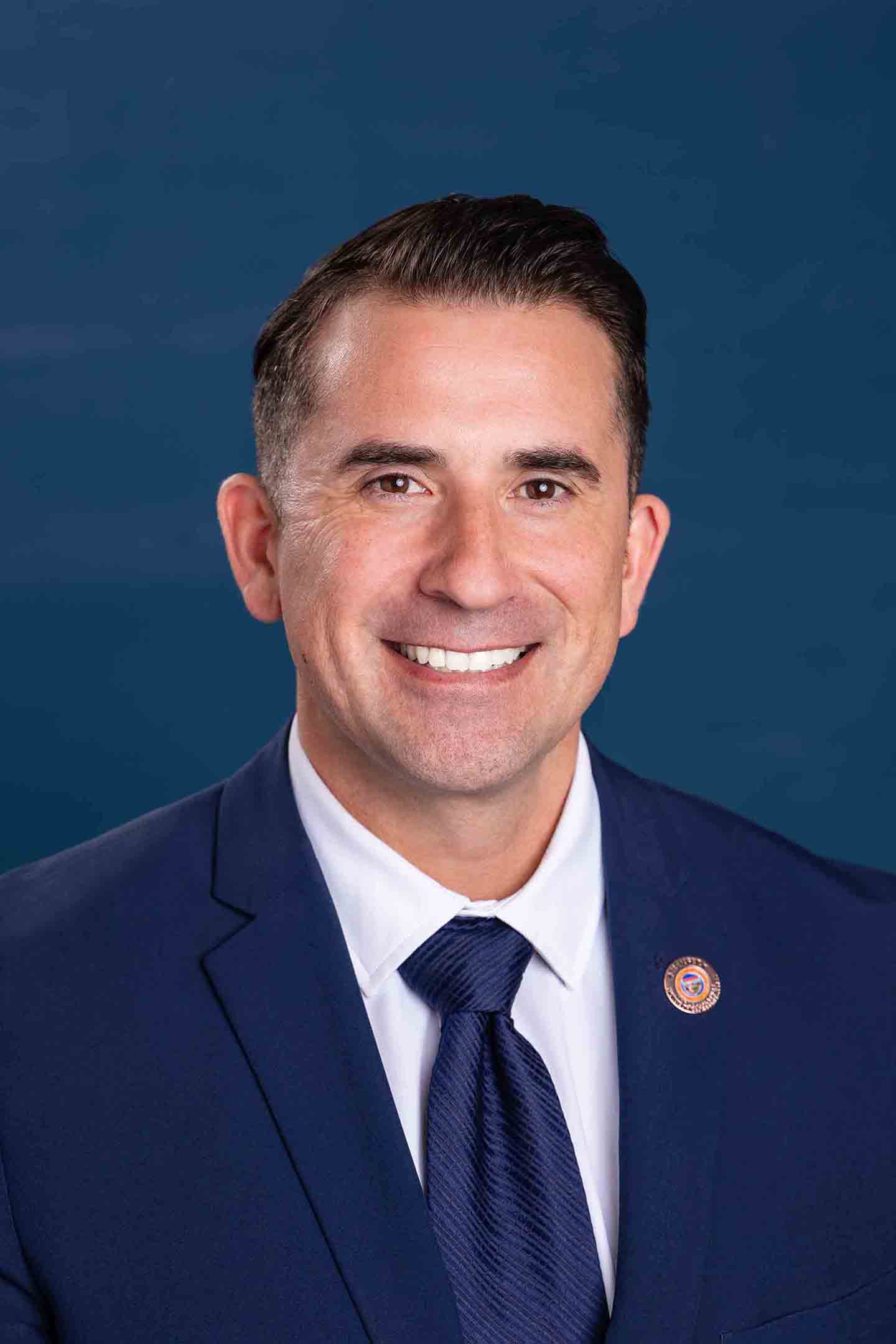
Michael Way
Michael Way House · District 15
R
Strong −
5% 22
Justin Olson
Justin Olson House · District 10
R
Strong −
9% 23
Alex Kolodin
Alex Kolodin House · District 3
R
Strong −
9% 22
Laurin Hendrix
Laurin Hendrix House · District 14
R
Strong −
12% 17
Rachel Keshel
Rachel Keshel House · District 17
R
Strong −
13% 23
Showing 21–22 of 22 bills

All labor & employment bills

failed · Arizona · Senate Feb 23, 2026

SB 1035: state department of corrections; appropriation

SB 1035 appropriates funds from the state general fund for fiscal year 2026-2027 to provide a 5% salary increase for all sworn correctional officers and civilian employees within Arizona's State Department of Corrections. This bill directly affects over 3,000 correctional staff members who work in Arizona's state prisons and facilities. The key provision is a mandatory pay raise for these employees, funded through a specific appropriation in the state budget. As a procedural funding measure, it does not create new policies or alter existing laws.
vetoed · Arizona · Senate Feb 20, 2026

SB 1036: unemployment benefits; requirements; disqualifications; determinations

SB 1036 revises Arizona's unemployment benefit rules to clarify disqualification standards for job seekers who refuse suitable work or fail to actively seek employment. It defines "suitable work" as positions paying at least the minimum wage and exceeding the individual's weekly benefit amount, with exceptions for unlisted job offers. The bill also updates requirements for "shared work" programs, mandating employers to submit detailed plans showing how reduced hours prevent layoffs and maintain fringe benefits like health insurance for affected workers. These changes directly impact unemployment claimants and employers participating in shared work arrangements.
Showing 21 to 22 of 22 bills