Issue · Environment

Environment

Every environment bill, vote, and legislator stance in Arizona, automatically classified by Maddy, our AI policy reader.

Total bills
109
57th Legislature - Second Regular Session
Top supporter
Flavio Bravo
68% support rate
Top opponent
Anna Abeytia
40% support rate
Ranked legislators
10
5 support · 5 oppose
Key legislators

Who's moving environment in Arizona

Legislators moving environment in Arizona
Legislator Party Stance Support rate Votes
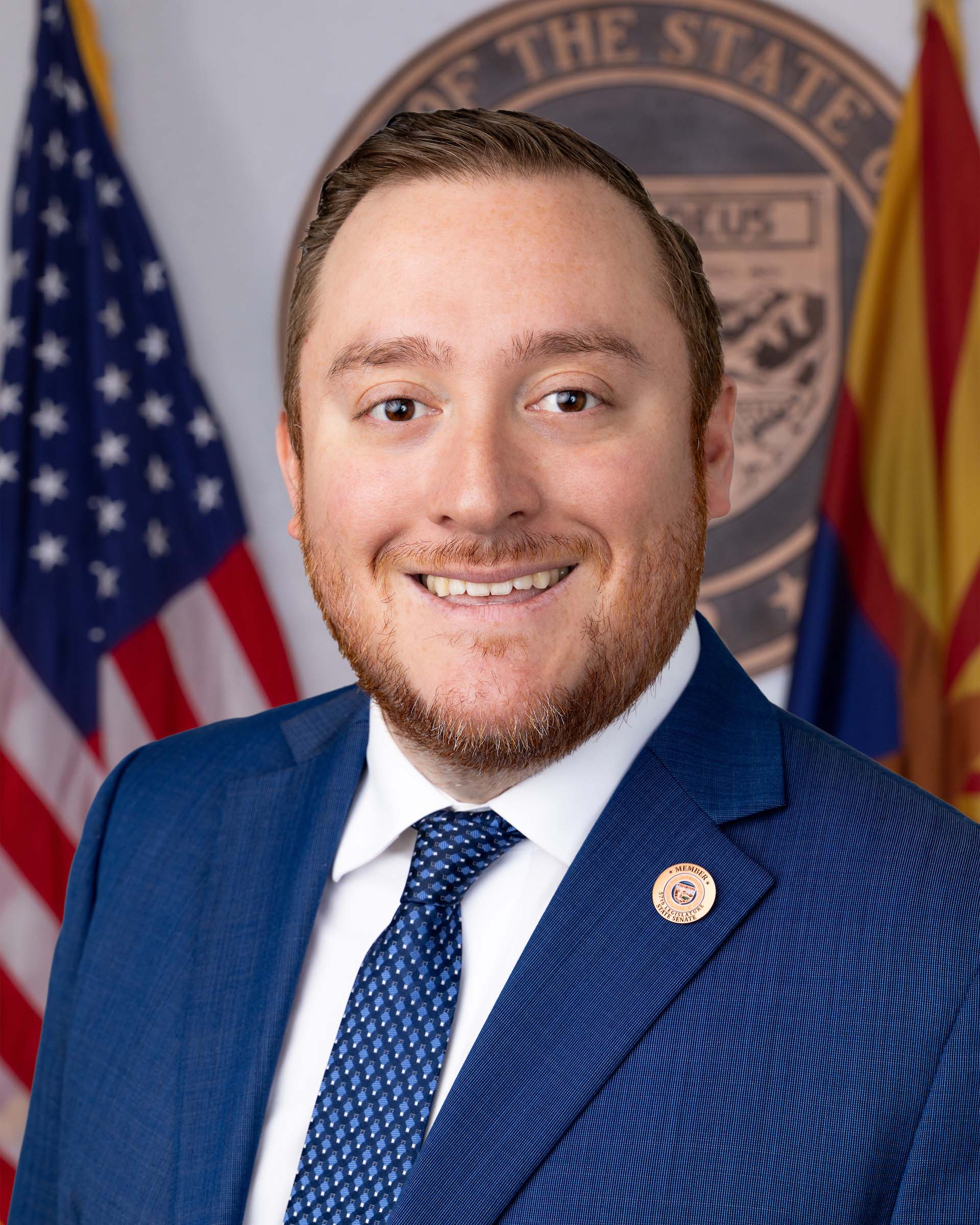
Flavio Bravo
Flavio Bravo Senate · District 26
D
Support
68% 69
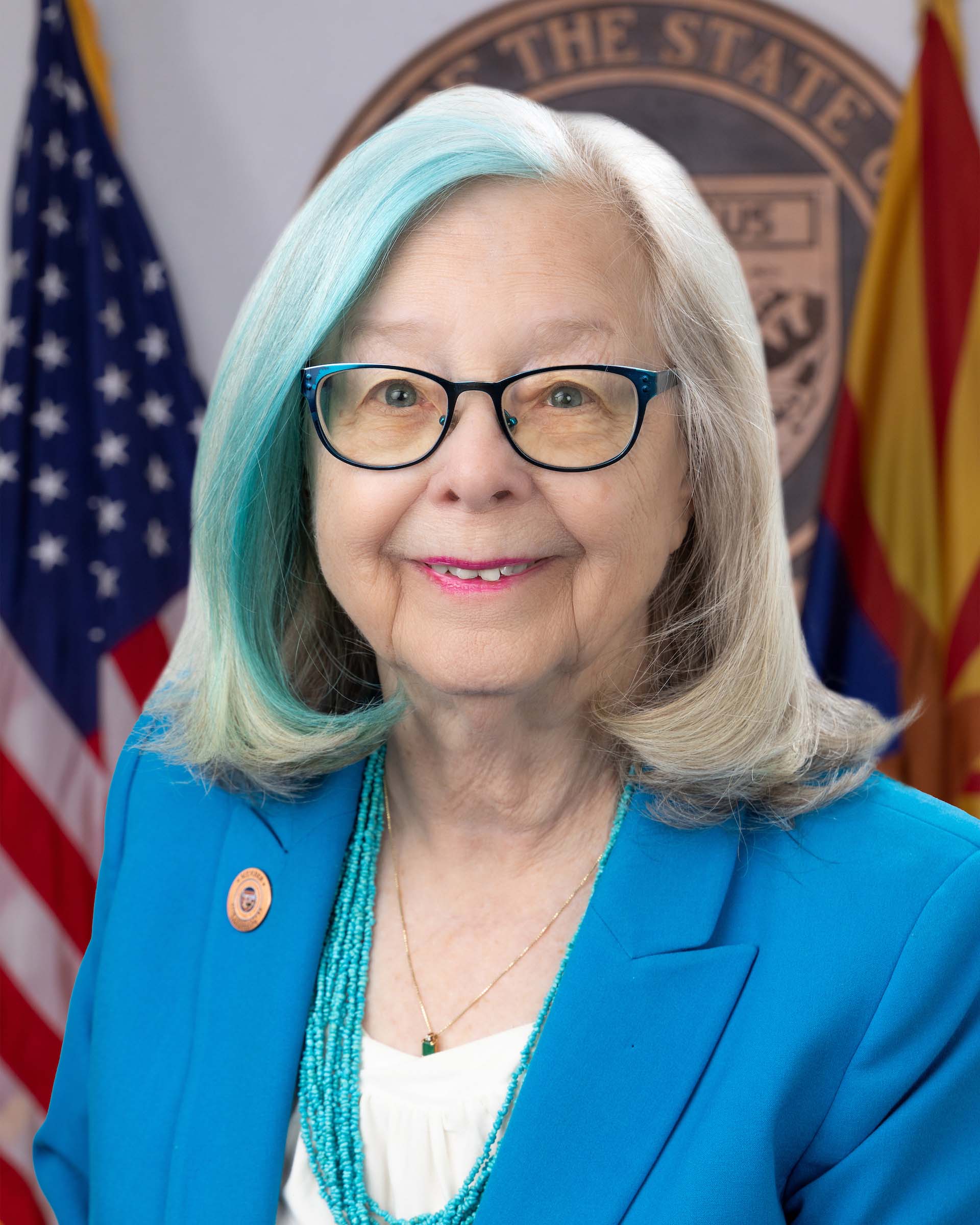
Lela Alston
Lela Alston Senate · District 5
D
Support
64% 84
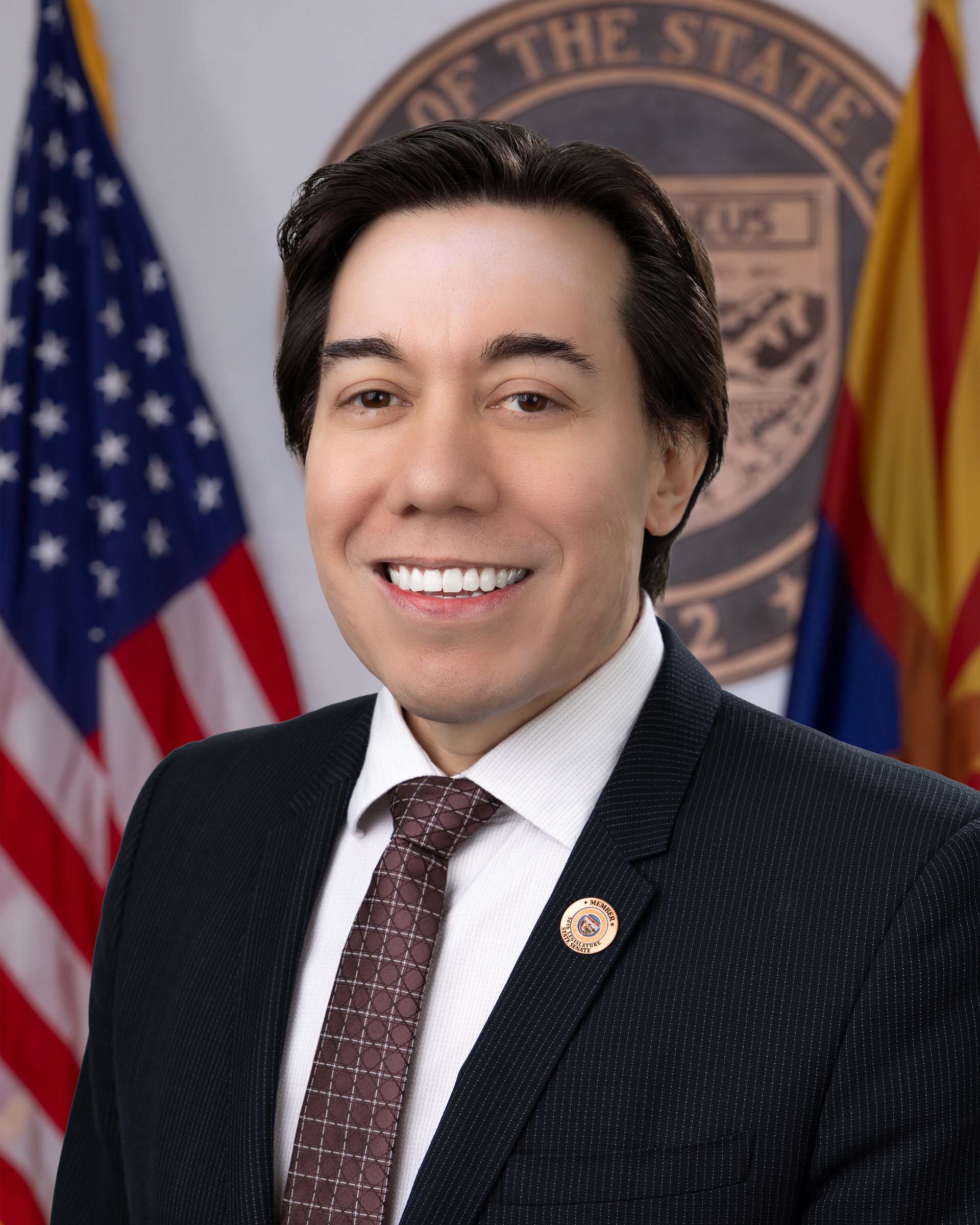
Brian Fernandez
Brian Fernandez Senate · District 23
D
Support
64% 72
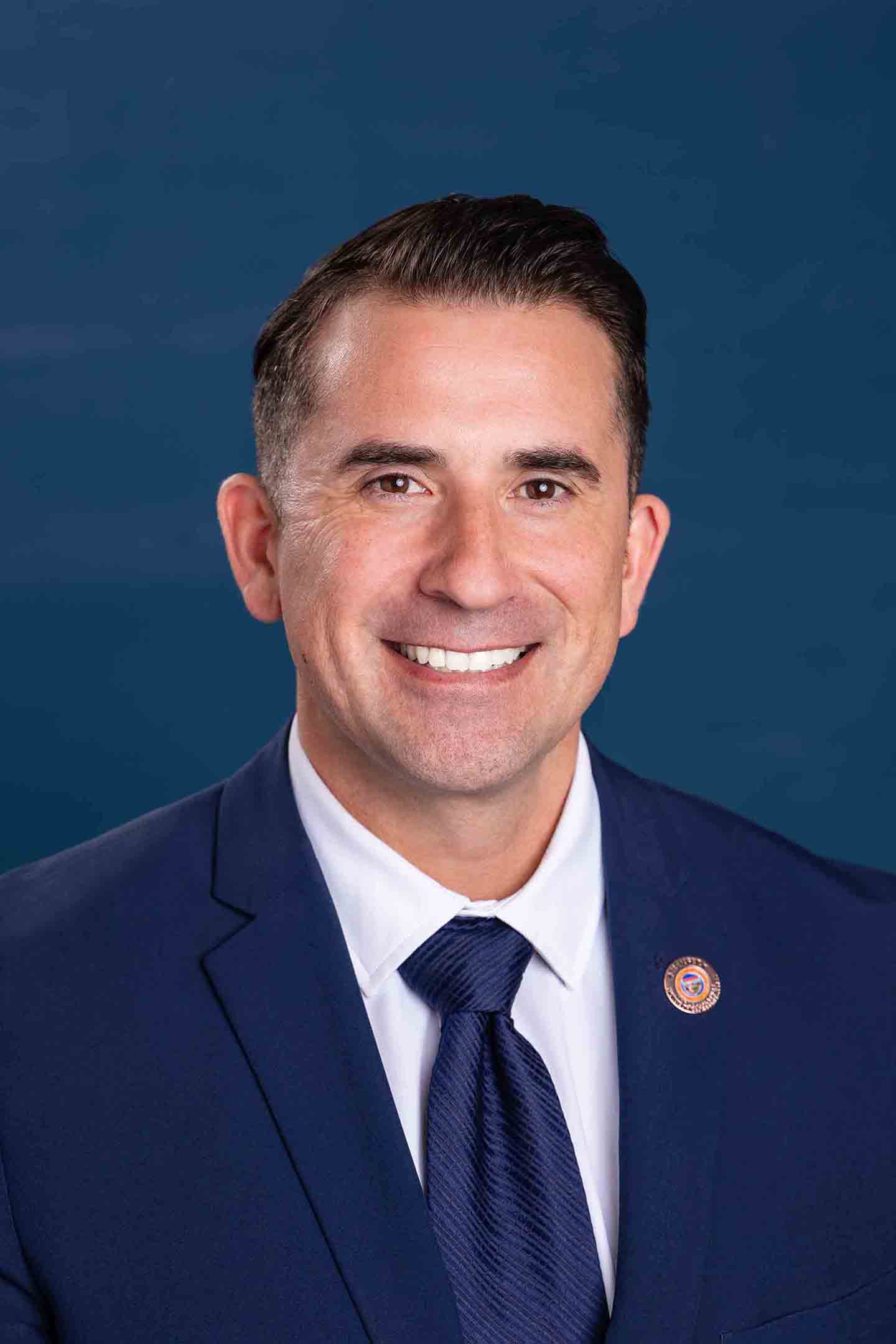
Pamela Carter
Pamela Carter House · District 4
R
Support
63% 141
Kiana Sears
Kiana Sears Senate · District 9
D
Support
63% 81
Anna Abeytia
Anna Abeytia House · District 24
D
Oppose
40% 117
Stacey Travers
Stacey Travers House · District 12
D
Mixed −
40% 123
Nancy Gutierrez
Nancy Gutierrez House · District 18
D
Mixed −
42% 122
Mariana Sandoval
Mariana Sandoval House · District 23
D
Mixed −
42% 139
Aaron Marquez
Aaron Marquez House · District 5
D
Mixed −
42% 141
Showing 71–80 of 109 bills

All environment bills

introduced · Arizona · Senate Jan 28, 2026

SB 1386: watershed health; survey; use

SB 1386 amends Arizona law to define "watershed health uses" as water conserved in natural watercourses that supports ecosystem health as specified in a required report. This definition clarifies how water conservation efforts in natural streams will be categorized under state water management. The bill directly affects the Department of Water Resources and its director, who will use this definition in managing water resources. It does not create new programs or alter water rights but establishes a specific term for existing conservation practices.
introduced · Arizona · Senate Jan 28, 2026

SB 1388: aquifer management; conservation; priority

SB 1388 amends Arizona's water management law to expand the director's authority for groundwater conservation. It explicitly authorizes the director to develop conservation programs, acquire water rights and property, and coordinate with agencies like the Department of Environmental Quality on water planning and data sharing. The bill directly affects groundwater users, water management authorities, and state agencies responsible for implementing Arizona's water policies. Key provisions include formalizing the director's role in managing water quantity and quality, acquiring water rights through contracts, and maintaining public water data repositories.
Sub-Topics Conservation
introduced · Arizona · Senate Jun 12, 2026

SB 1311: technical correction; conservation easements; applicability

This bill clarifies Arizona's conservation easement law by updating the applicability section of the statute. It specifies that the law applies to any conservation-related property interest (such as easements, covenants, or restrictions) created after August 7, 1985, regardless of its name. It also ensures existing conservation easements created before that date - which were enforceable under other state laws - remain valid and unaffected. The bill makes a technical correction to remove ambiguity, without changing the substance of conservation easement regulations.
Sub-Topics Conservation
introduced · Arizona · House Jan 21, 2026

HB 2642: pesticides; PFAS; herbicide; prohibition

HB 2642 bans the distribution of pesticides containing PFAS (per- and polyfluoroalkyl substances) or certain fluorinated chemicals, and herbicides containing glyphosate, effective December 31, 2027. This directly affects pesticide manufacturers, distributors, and agricultural users who currently rely on these products. The key provision adds two new prohibitions to Arizona's pesticide regulations, targeting specific chemical classes known for environmental and health concerns. The law provides a clear effective date for these bans without immediate implementation.
Sub-Topics Drinking Water
introduced · Arizona · House Jan 27, 2026

HB 2517: pollutants; drinking water standards

HB 2517 amends Arizona's environmental code to strengthen the Department of Environmental Quality's authority for protecting drinking water. It explicitly adds "nutrients" and "heated liquids" to the list of pollutants the department must address under water quality standards. The bill directly affects water utilities, industrial facilities, and developers by requiring stricter adherence to these expanded pollution prevention measures. This change clarifies the department's duty to coordinate water resource protection and implement specific standards for contaminants in drinking water sources.
introduced · Arizona · Senate Jan 28, 2026

SB 1385: public utilities; renewable energy resources

SB 1385 requires Arizona's electric distribution utilities (electric companies) to generate at least half of their electricity from renewable sources like solar, wind, geothermal, hydropower, or biofuels by January 1, 2036. The bill defines "renewable energy resource" as self-replenishing energy from natural processes, specifically listing solar, wind, geothermal, hydropower, and biofuels as eligible. This mandate directly affects all electric companies serving Arizona customers, setting a clear 50% renewable energy target with a fixed deadline. The law establishes a concrete policy change by requiring utilities to transition their energy mix toward these sources over the next decade.
introduced · Arizona · House Jan 21, 2026

HB 2723: Big Chino; groundwater withdrawal; mitigation

HB 2723 allows cities or towns with historically irrigated land in Arizona's Big Chino groundwater subbasin to withdraw and transport groundwater to the Prescott Active Management Area (AMA), subject to specific limits. The annual withdrawal amount is based on retired irrigated acres (1975-1990), calculated as three acre-feet per acre, with yearly limits capped at twice the annual allotment or ten times over a decade. Before withdrawal, entities must obtain a "certificate of adequate mitigation" proving no harm to base flow, water quality, or flood cycles, requiring annual monitoring at the Paulden stream gage and specific mitigation actions like recharging treated water or retiring irrigated land. The bill mandates ten-year certificate renewals and detailed annual reports on withdrawal impacts and mitigation efforts.
passed · Arizona · House Mar 24, 2026

HB 2889: appropriation; uranium monitoring; mine inspector

HB 2889 appropriates $1 million from Arizona's general fund for fiscal year 2026-2027 to the state mine inspector to monitor uranium contamination. It requires the mine inspector to fund soil, water, and home testing for potential contamination and establish a statewide registry and monitoring program, partnering with tribal epidemiology centers. The bill mandates a report of findings and recommendations to state leaders by December 31, 2026. This funding is exempt from standard appropriation lapsing rules. The bill directly affects Arizona residents potentially exposed to uranium contamination, particularly in areas near mining sites.
introduced · Arizona · House Jan 21, 2026

HB 2550: rural water sustainability fund; appropriation

HB 2550 establishes a $500,000 Rural Watershed Sustainability Initiative Fund in Arizona, funded by a state appropriation for fiscal year 2026-2027. The fund provides grants to eligible rural watershed groups to cover operational costs like staff training, technology, salaries, and grant-writing fees, with priority given to groups in high-risk groundwater areas with clear water conservation goals. The Department of Water Resources administers the fund, can use up to 15% of funds for administration, and must submit annual reports starting December 1, 2027. The bill directly affects local rural watershed groups by addressing their funding barriers for water conservation and drought resiliency work.
introduced · Arizona · House Jan 21, 2026

HB 2650: rainwater harvesting; appropriation

HB 2650 creates a state-funded rainwater harvesting grant program in Arizona to support water conservation. It allows eligible homeowners, non-profits, or organizations focused on water conservation to apply for two types of grants: Level 1 for simple passive systems (reimbursing up to $500 for materials/labor), and Level 2 for complex active systems (reimbursing up to $2,000 based on tank size). The program excludes costs like pumps, irrigation systems, unlicensed labor, and landscaping materials. Funding for the program is appropriated from the state general fund for fiscal year 2026-2027.
Showing 71 to 80 of 109 bills
Previous 1 7 8 9 11 Next