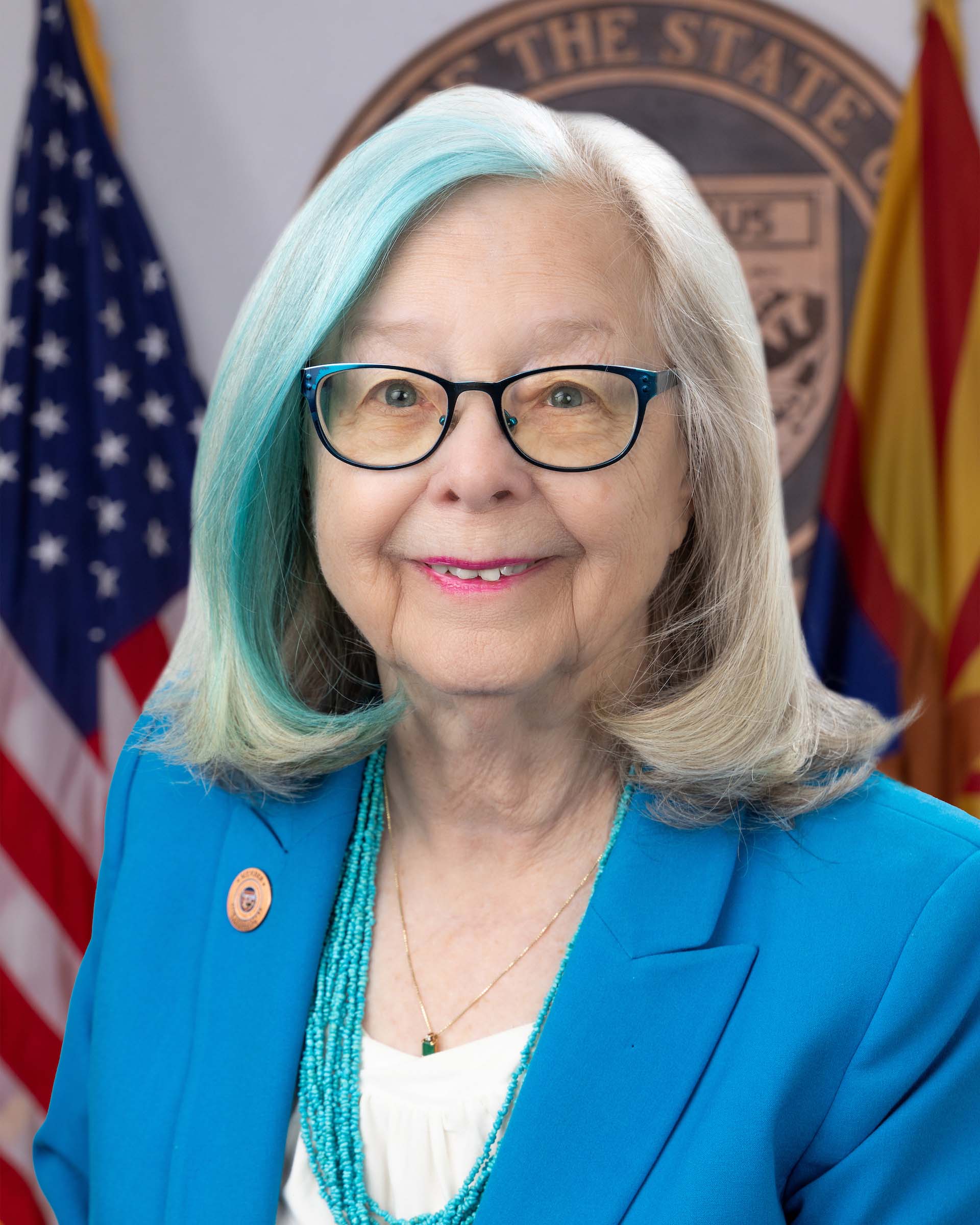
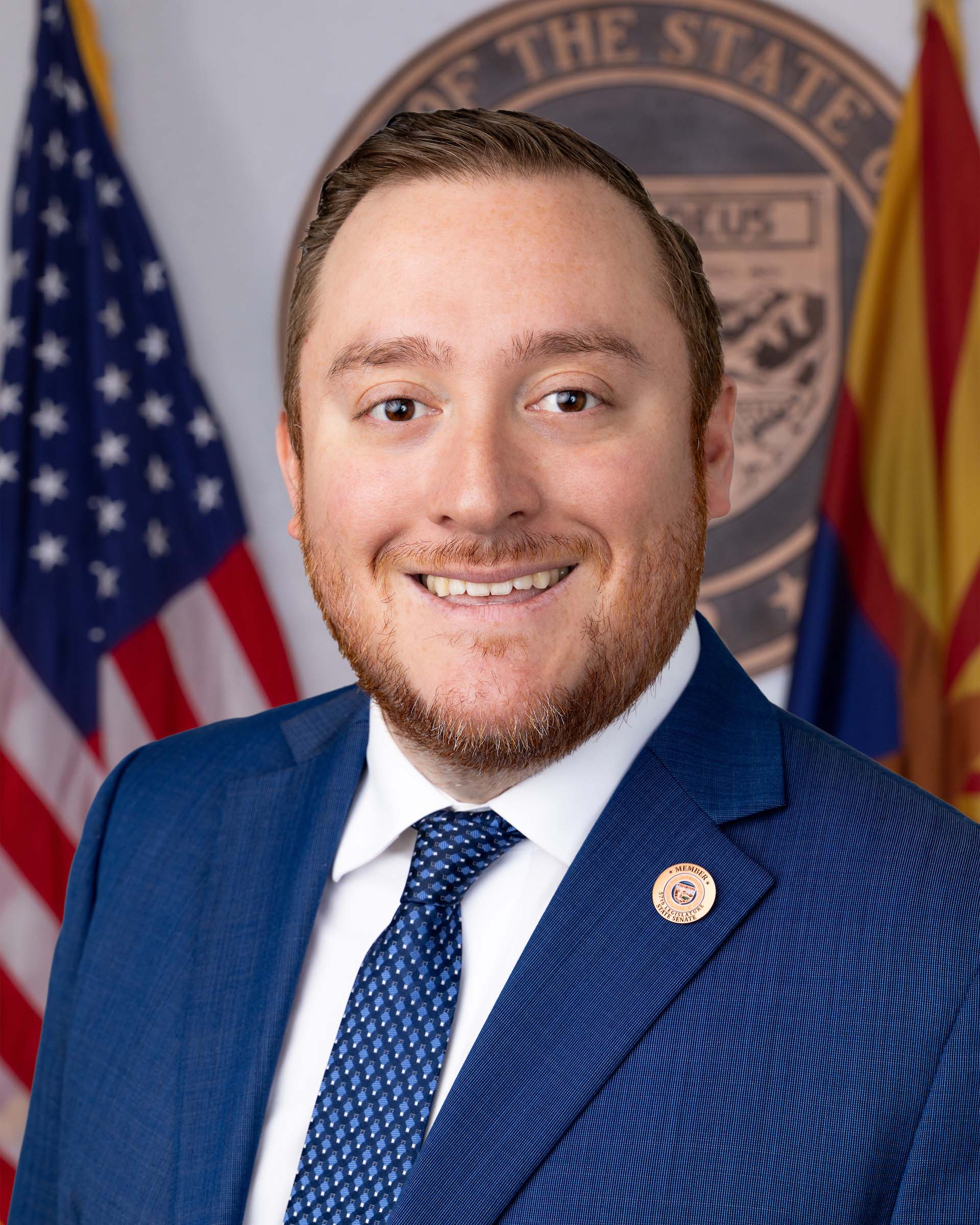
SB 1350 establishes Arizona's "Outdoor Rx" program, providing state grants for outdoor-based therapy programs focused on veterans, individuals recovering from substance abuse or trauma, and those seeking healthier lifestyles through nature. The program funds public and private organizations offering activities like conservation, ecological studies, and agricultural therapy in natural settings (e.g., state parks), requiring applicants to contribute matching funds and meet specific criteria like veteran participation (minimum 50%) and research-based methods. The Department of Health Services administers the grants, sets application rules, and requires program evaluations, while an advisory committee with park, health, and veteran agency representatives guides implementation. This bill directly affects community organizations and veterans' services by creating a new state-funded pathway for nature-based therapy programs.
HB 2888 creates the Tribal Drinking Water Access and Infrastructure Fund in Arizona, allocating $10 million from the water conservation grant fund for fiscal year 2026-2027. The fund provides grants directly to federally recognized Indian tribes and their designated authorities to improve water access and infrastructure. These grants can be used for emergency water access projects (like planning and construction) or developing permanent infrastructure (such as wells, treatment facilities, and pipelines). The appropriation is exempt from standard budget lapse rules, ensuring the funds remain available for tribal water projects.
This Arizona legislative memorial (HCM 2006) urges federal agencies and Congress to reform the Endangered Species Act (ESA) and Migratory Bird Conservation Act. It requests that the U.S. Fish and Wildlife Service, Bureau of Land Management, and Forest Service reduce regulatory burdens on ranchers and prevent lease cancellations on federally managed grazing lands due to ESA implementation. The memorial specifically cites concerns about ranchers being unfairly evicted from grazing lands and seeks to align federal policy with "long-standing agricultural practices" in Arizona. As a non-binding memorial, it does not directly change laws but formally requests federal action to address these specific impacts on rural ranching communities.
SB 1386 amends Arizona law to define "watershed health uses" as water conserved in natural watercourses that supports ecosystem health as specified in a required report. This definition clarifies how water conservation efforts in natural streams will be categorized under state water management. The bill directly affects the Department of Water Resources and its director, who will use this definition in managing water resources. It does not create new programs or alter water rights but establishes a specific term for existing conservation practices.
SB 1388 amends Arizona's water management law to expand the director's authority for groundwater conservation. It explicitly authorizes the director to develop conservation programs, acquire water rights and property, and coordinate with agencies like the Department of Environmental Quality on water planning and data sharing. The bill directly affects groundwater users, water management authorities, and state agencies responsible for implementing Arizona's water policies. Key provisions include formalizing the director's role in managing water quantity and quality, acquiring water rights through contracts, and maintaining public water data repositories.
This bill clarifies Arizona's conservation easement law by updating the applicability section of the statute. It specifies that the law applies to any conservation-related property interest (such as easements, covenants, or restrictions) created after August 7, 1985, regardless of its name. It also ensures existing conservation easements created before that date - which were enforceable under other state laws - remain valid and unaffected. The bill makes a technical correction to remove ambiguity, without changing the substance of conservation easement regulations.
HB 2550 establishes a $500,000 Rural Watershed Sustainability Initiative Fund in Arizona, funded by a state appropriation for fiscal year 2026-2027. The fund provides grants to eligible rural watershed groups to cover operational costs like staff training, technology, salaries, and grant-writing fees, with priority given to groups in high-risk groundwater areas with clear water conservation goals. The Department of Water Resources administers the fund, can use up to 15% of funds for administration, and must submit annual reports starting December 1, 2027. The bill directly affects local rural watershed groups by addressing their funding barriers for water conservation and drought resiliency work.
HB 2650 creates a state-funded rainwater harvesting grant program in Arizona to support water conservation. It allows eligible homeowners, non-profits, or organizations focused on water conservation to apply for two types of grants: Level 1 for simple passive systems (reimbursing up to $500 for materials/labor), and Level 2 for complex active systems (reimbursing up to $2,000 based on tank size). The program excludes costs like pumps, irrigation systems, unlicensed labor, and landscaping materials. Funding for the program is appropriated from the state general fund for fiscal year 2026-2027.
HB 2538 amends Arizona law to establish new water quality regulations for the state's waters, directly affecting businesses, municipalities, and agricultural operations that discharge pollutants. The bill requires the director to adopt rules for permitting discharges into "Waters of the United States" (WOTUS) and non-WOTUS protected waters, including exemptions for farming activities, irrigation ditches, and soil conservation practices. Key mechanisms include creating permit programs for point-source discharges, nonpoint-source pollution control, aquifer protection, and reclaimed water reuse, while setting fees for permits that fund water quality programs. These changes update Arizona's regulatory framework to align with federal Clean Water Act requirements for water quality management.
HB 2518 allows Arizona's groundwater director to designate new "subsequent active management areas" for groundwater basins that aren't already covered by existing management plans. It specifies that such designations are required if groundwater preservation is needed, land subsidence threatens property or storage, or groundwater use degrades water quality. The bill mandates that these areas must cover entire groundwater basins (except for northern Arizona's regional aquifers), not partial sections. This directly affects groundwater users and landowners in newly designated basins by subjecting them to future management practices.