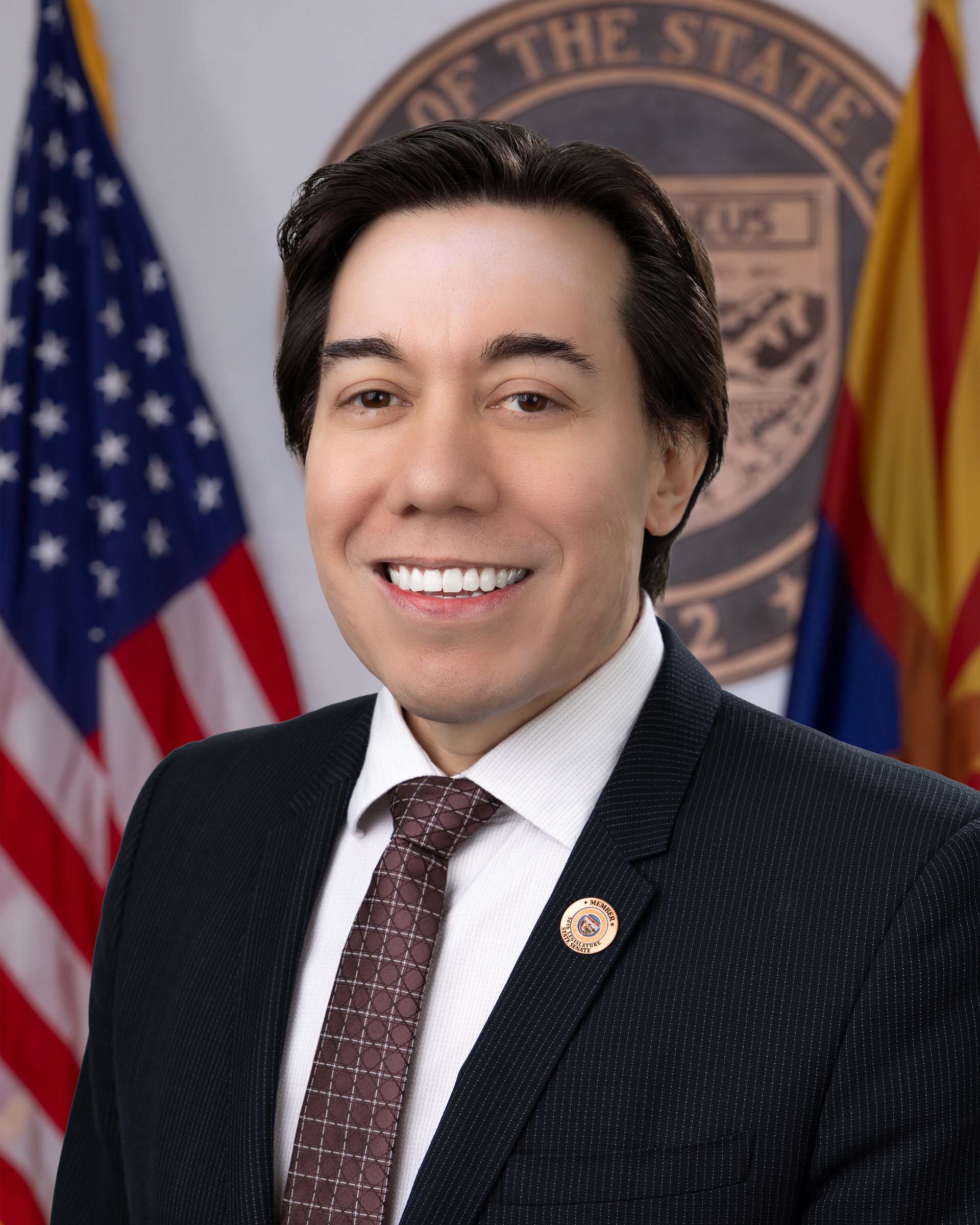
HB 2889 appropriates $1 million from Arizona's general fund for fiscal year 2026-2027 to the state mine inspector to monitor uranium contamination. It requires the mine inspector to fund soil, water, and home testing for potential contamination and establish a statewide registry and monitoring program, partnering with tribal epidemiology centers. The bill mandates a report of findings and recommendations to state leaders by December 31, 2026. This funding is exempt from standard appropriation lapsing rules. The bill directly affects Arizona residents potentially exposed to uranium contamination, particularly in areas near mining sites.
HB 2389 streamlines environmental review for utility infrastructure replacements by creating exceptions to the standard certificate of environmental compatibility requirement. It allows utilities to replace transmission line conductors/wires or adjacent power plants without new approvals, provided they meet specific conditions: 30-day notice, a public comment session, maintaining total power capacity, and replacing within sites that previously had environmental approvals (or existed before 1971). This directly affects electric utilities planning infrastructure upgrades and the Arizona Corporation Commission overseeing these reviews. The bill modifies existing rules to reduce administrative burden for routine replacements while maintaining environmental safeguards through public engagement and capacity requirements.
HCR 2038 is a non-binding legislative resolution supporting Arizona's position in ongoing negotiations for a seven-state agreement governing the Colorado River. It states Arizona's support for a mutual agreement that protects the state's vital industries (agriculture, technology, and military) reliant on Colorado River water, while acknowledging Arizona's significant water conservation efforts (including $211 million invested to save up to 6.6 million acre-feet). The resolution emphasizes Arizona's historical water use reductions (8.9 million acre-feet) and economic contributions (75% of basin jobs and crop sales in the Lower Basin) as context for negotiations. It does not create new policy but formally endorses collaborative solutions to address the river's structural deficit and uphold the 1922 Compact.
HB 2267 amends Arizona law to classify new utility-scale wind and solar farms within four miles of residential properties as public nuisances. It specifically exempts projects with existing zoning approvals, those approved by environmental committees, and nonexporting rooftop solar systems. County attorneys or the state attorney general may sue to stop these projects, with violators facing misdemeanor charges. The bill directly affects new large-scale renewable energy installations near homes, not existing projects or small residential solar systems.
SB 1439 prohibits Arizona municipalities, counties, and other local governments from requiring or recommending that residents recycle products not currently being actively recycled. The bill defines "actively recycled" as a product that is reprocessed into a new item. It amends existing recycling laws for cities (ARS §9-500.07) and counties (ARS §11-269), and adds a new statewide prohibition (ARS §49-707) covering all political subdivisions. This directly affects local governments by restricting their ability to mandate recycling of materials without established processing infrastructure, and impacts residents who may no longer be required to sort certain items into recycling bins. The law takes effect upon enactment.
HB 2159 allows Arizona landowners to obtain permits for taking Mexican wolves on their private land or on public lands and state trust lands leased for grazing. The permit requires the Commission to determine it is necessary to reduce conflicts between wolves and humans or property, while also enabling a voluntary program for compensating landowners who use non-lethal trapping methods. The bill specifies that permits may only be issued to landowners who own private property in Arizona and lease grazing lands. This legislation directly affects landowners managing wolf-human conflicts on their property, focusing on practical, on-the-ground management rather than broader conservation policy.