Issue · Education

Education (Teachers)

Every education bill, vote, and legislator stance in Arizona, automatically classified by Maddy, our AI policy reader.

Total bills
24
57th Legislature - Second Regular Session
Top supporter
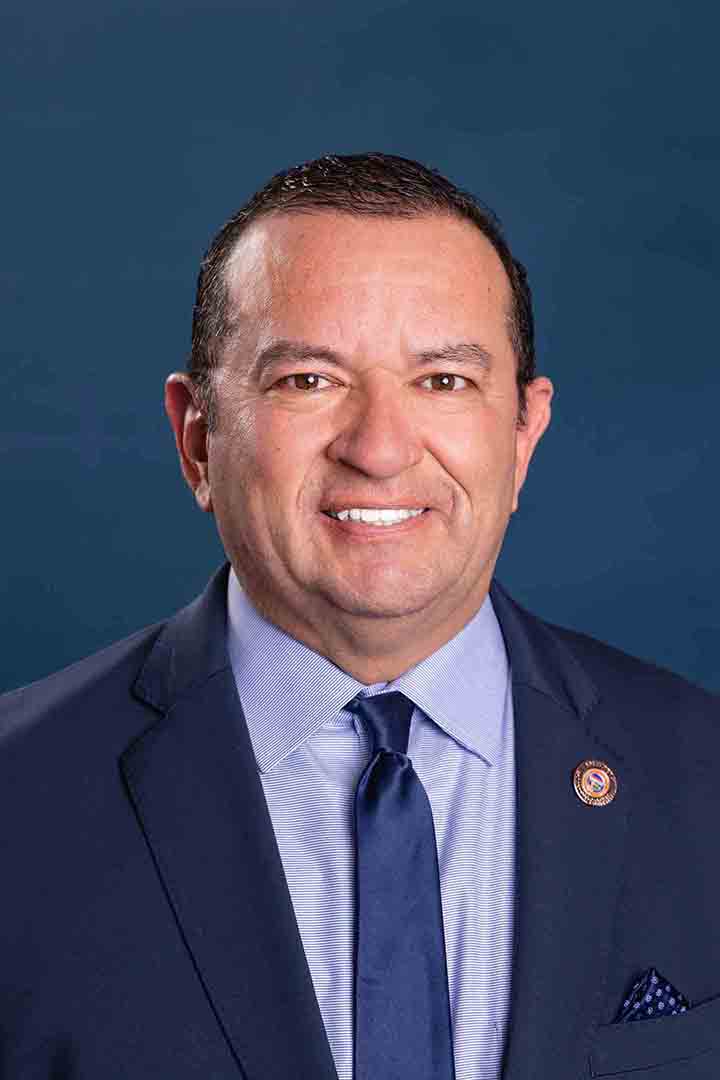
Chris Lopez
100% support rate
Top opponent
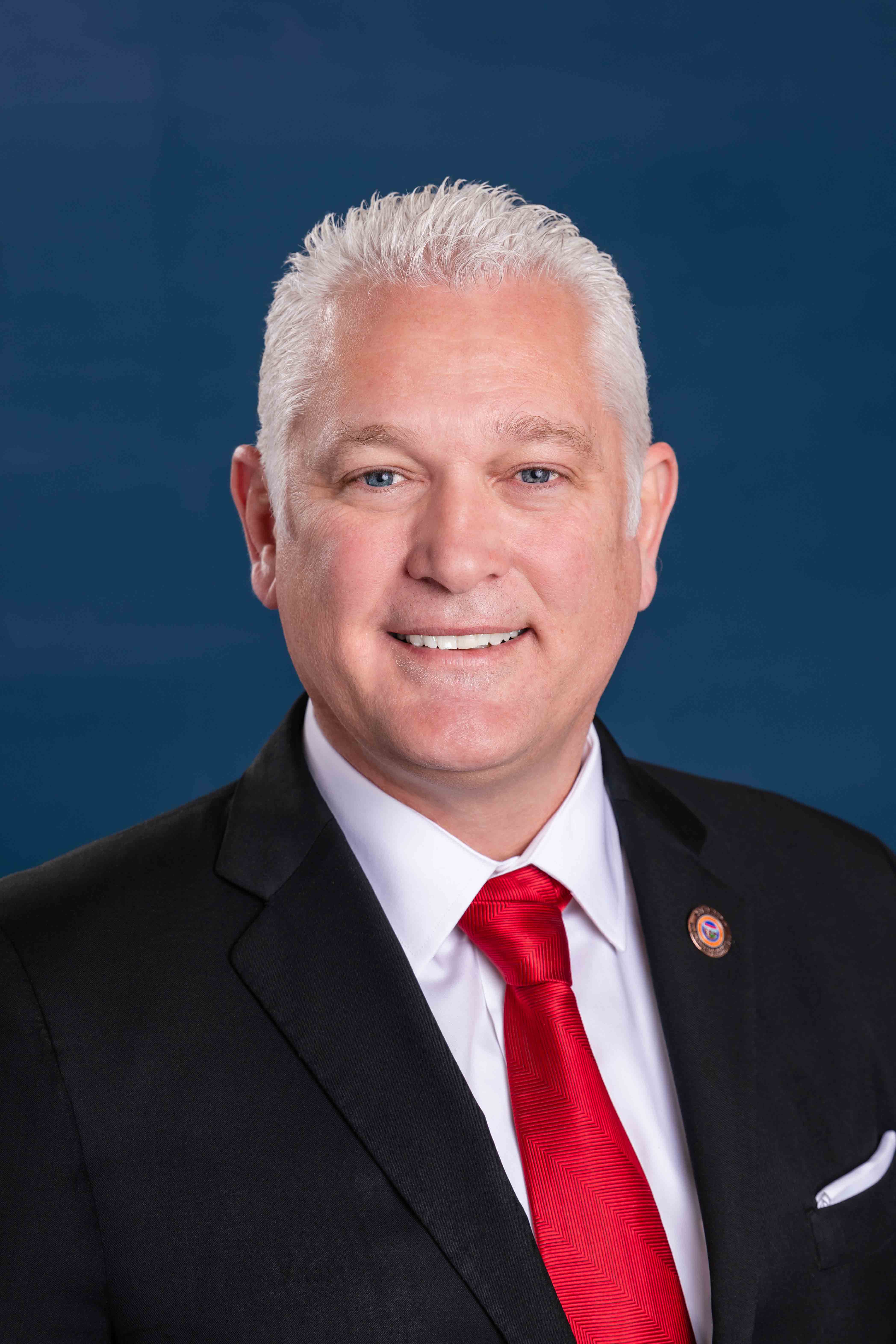
Cesar Aguilar
20% support rate
Ranked legislators
10
5 support · 5 oppose
Key legislators

Who's moving teachers in Arizona

Legislators moving teachers in Arizona
Legislator Party Stance Support rate Votes
Chris Lopez
Chris Lopez House · District 16
R
Strong +
100% 6
James Taylor
James Taylor House · District 29
R
Strong +
100% 6
Jeff Weninger
Jeff Weninger House · District 13
R
Strong +
100% 6
Justin Wilmeth
Justin Wilmeth House · District 2
R
Strong +
100% 6
Michael Carbone
Michael Carbone House · District 25
R
Strong +
100% 6
Cesar Aguilar
Cesar Aguilar House · District 26
D
Strong −
20% 5
Consuelo Hernandez
Consuelo Hernandez House · District 21
D
Strong −
20% 5
Stephanie Simacek
Stephanie Simacek House · District 2
D
Strong −
20% 5
Aaron Marquez
Aaron Marquez House · District 5
D
Oppose
33% 6
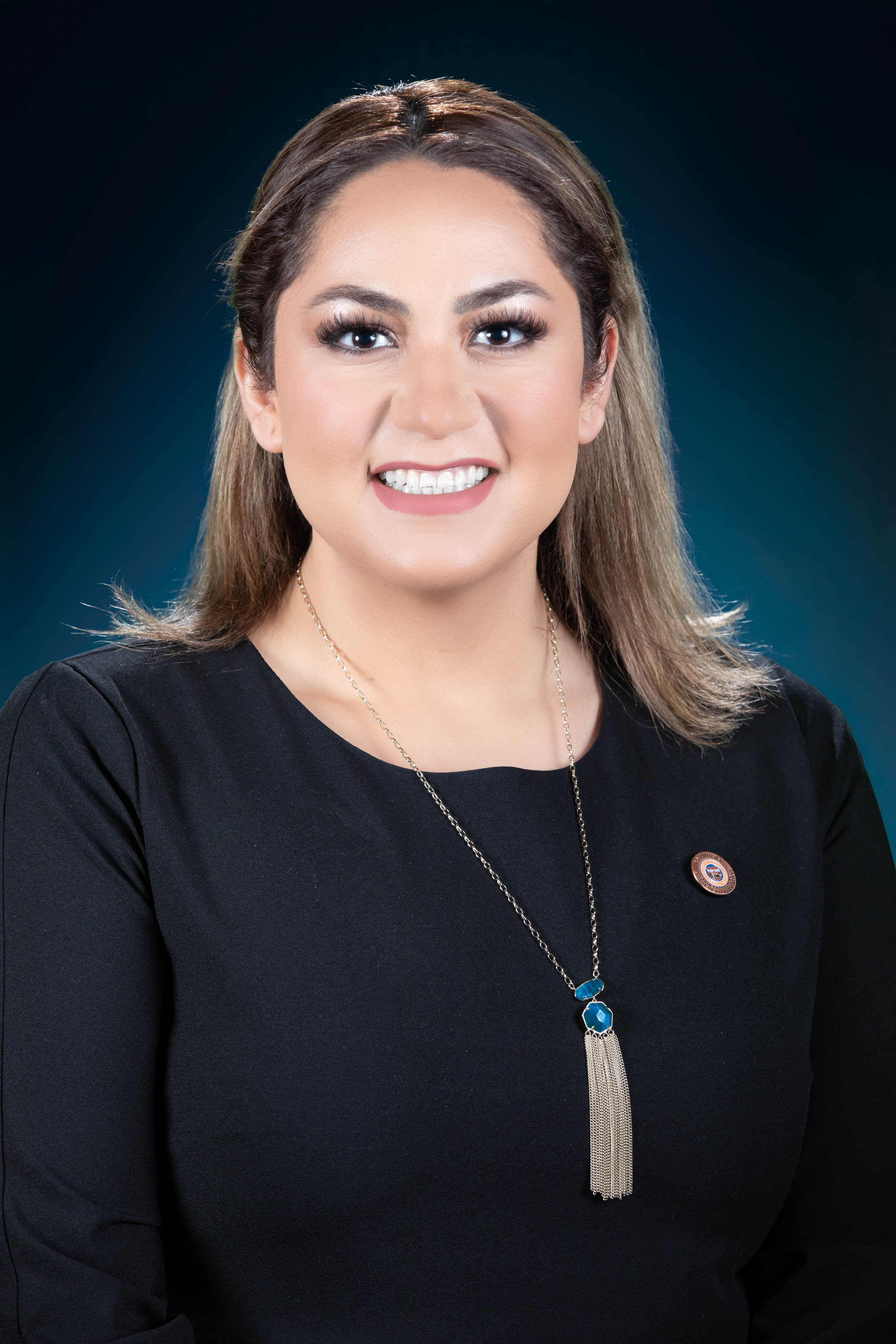
AH
Alma Hernández House · District 20
D
Oppose
33% 6
Showing 11–20 of 24 bills

All education bills

introduced · Arizona · House Jan 22, 2026

HB 2479: K-5 literacy endorsement; requirements; enforcement

HB 2479 requires Arizona public school districts and charter schools to ensure at least one K-3 teacher per school has dyslexia training and to develop annual reading improvement plans. It mandates that teachers without a literacy endorsement must obtain one, with funding from the K-3 reading support level weight tied to approved plans focused on improving early reading proficiency. The bill directs schools to use allocated funds exclusively for evidence-based reading instruction, teacher training, and curriculum support for K-3 students. The Department of Education must monitor compliance, review plans, and report annually on reading outcomes and program effectiveness.
Sub-Topics Curriculum Teachers
introduced · Arizona · Senate Feb 4, 2026

SB 1576: certification requirements; private school teachers

SB 1576 requires private school teachers who instruct blind or visually impaired students in Arizona to obtain specific certification. Teachers must either earn certification from a nationally or internationally recognized organization for working with blind students, or complete a state-approved university teacher preparation program. This requirement overrides existing general teacher certification rules (Section 15-161) and applies only to private schools serving this student population. The State Board of Education will develop implementing rules but cannot change the core certification standards outlined in the bill.
introduced · Arizona · Senate Feb 4, 2026

SB 1592: noncertificated school employees; due process

SB 1592 requires Arizona school districts to create personnel policies providing noncertificated school employees (like cafeteria workers, bus drivers, and administrative staff) with due process protections similar to those for certificated teachers (licensed educators). Specifically, school boards must establish fair procedures - such as written notices, opportunity to respond, and impartial reviews - before terminating these noncertificated staff members. This applies to all school districts and directly affects noncertificated employees by ensuring they receive comparable job protection as teachers. The bill does not change existing due process rules for certificated teachers but mandates equivalent safeguards for noncertificated roles.
Sub-Topics Teachers
passed both · Arizona · Senate Jun 15, 2026

SCR 1032: educator salary increases; school reporting

SCR 1032 is a proposed referendum bill that would require Arizona school districts and charter schools to increase base salaries for eligible teachers if voters approve additional funding from the state land trust. It establishes a "teacher pay fund" using state land trust distributions to cover these salary increases, ensuring all eligible teachers receive the same amount regardless of experience. Schools must publicly post annual salary data on their websites and report to the state education department, with eligibility limited to full-time instructional staff who spend over 75% of their time teaching students. The bill does not take effect until approved by voters and requires ongoing reporting to ensure compliance with the salary increases.
introduced · Arizona · Senate Jan 14, 2026

SB 1101: pilot programs; STEM teachers; districts

SB 1101 establishes a pilot program providing paid summer internships and professional development for STEM and vocational teachers in specific Arizona high school districts. Eligible districts must serve grades 9-12 with at least 25,000 students (75% qualifying for free/reduced lunch, 80% Hispanic), operate 24+ sites in high-population counties, and offer bioscience/coding programs. Participating schools must partner with nonprofits to provide teachers with $6,000 summer stipends, industry internships, and professional development over three years. The program requires districts to submit quarterly and annual reports tracking teacher retention, student performance in STEM courses, business partnerships, and budget usage.
passed · Arizona · House Jun 12, 2026

HCR 2007: reporting; teacher salary increases; schools

This bill (HCR 2007) is a voter-approved measure requiring charter schools to publicly report average teacher salaries and salary increases on their websites. It establishes a "teacher pay fund" funded by state land trust distributions to mandate across-the-board salary increases for eligible teachers in all public schools, based on voter-approved funding levels. Schools must use these dedicated funds to raise base salaries uniformly for eligible teachers without reducing current salaries below 2026-2027 levels, while maintaining separate reporting to the Department of Education. The bill does not change current teacher pay but requires transparency and allocates specific state funds to support future salary increases. (Note: This is a referendum measure requiring voter approval to become law.)
signed · Arizona · House Apr 7, 2026

HB 2255: teachers academy; community college students

HB 2255 establishes Arizona's Teachers Academy to support students pursuing teaching careers. Community college students in teacher preparation programs can receive scholarships covering tuition and fees for up to two years (four semesters) if they agree to teach in Arizona public schools for one year per year of scholarship support. The program prioritizes high-demand areas like special education, STEM, rural schools, and low-income districts, with scholarships requiring repayment if the teaching commitment isn't fulfilled. The initiative is funded through state appropriations and aims to address teacher shortages by linking financial aid to service in Arizona schools.
signed · Arizona · House Jun 4, 2026

HB 2895: Native American language; instruction; certification

HB 2895 creates a grant program for Arizona school districts to partner with federally recognized tribes to offer Native American language courses. It also establishes support for teacher certification pathways for those teaching these languages and allows high school students to fulfill foreign language graduation requirements by demonstrating proficiency in a Native American language. The bill directly affects school districts, tribes, teachers seeking certification, and high school students. Key provisions include state-funded grants for language courses, streamlined teacher certification support, and flexibility in meeting graduation language requirements. This policy change aims to increase access to Native American language education within Arizona's public schools.
Sub-Topics Curriculum K-12 Education Teachers Tags Tribal Nations
introduced · Arizona · House Jun 13, 2026

HCR 2008: education funding; teacher compensation program

HCR 2008 is a proposed constitutional amendment seeking voter approval to protect Arizona’s K-12 education funding levels until 2035-2036 and establish a statewide teacher compensation program. If approved, it would require any annual revenue increase from the state’s permanent fund above 2.5% to fund teacher pay raises, mandating that funds supplement existing pay (not replace it) and be distributed equally to eligible full-time classroom teachers meeting performance standards. The program must distinguish between high-performing and underperforming teachers, require schools to update salary schedules, and include reporting and auditing rules. This proposal does not become law until voters approve it at the next general election.
introduced · Arizona · House Jan 21, 2026

HB 2634: study committee; educator health insurance

HB 2634 establishes a study committee to examine health insurance costs for Arizona educators and their families. The committee, composed of representatives from school districts, teachers' organizations, health insurers, and school boards, will analyze current insurance plans and costs for both school districts and employees. It must recommend affordable ways to provide high-quality health coverage for educators and their dependents, then submit a report to state leaders by November 2027. The committee will dissolve on October 31, 2028. This is a procedural bill focused on research, not immediate policy changes.
Sub-Topics Teachers Insurance
Showing 11 to 20 of 24 bills