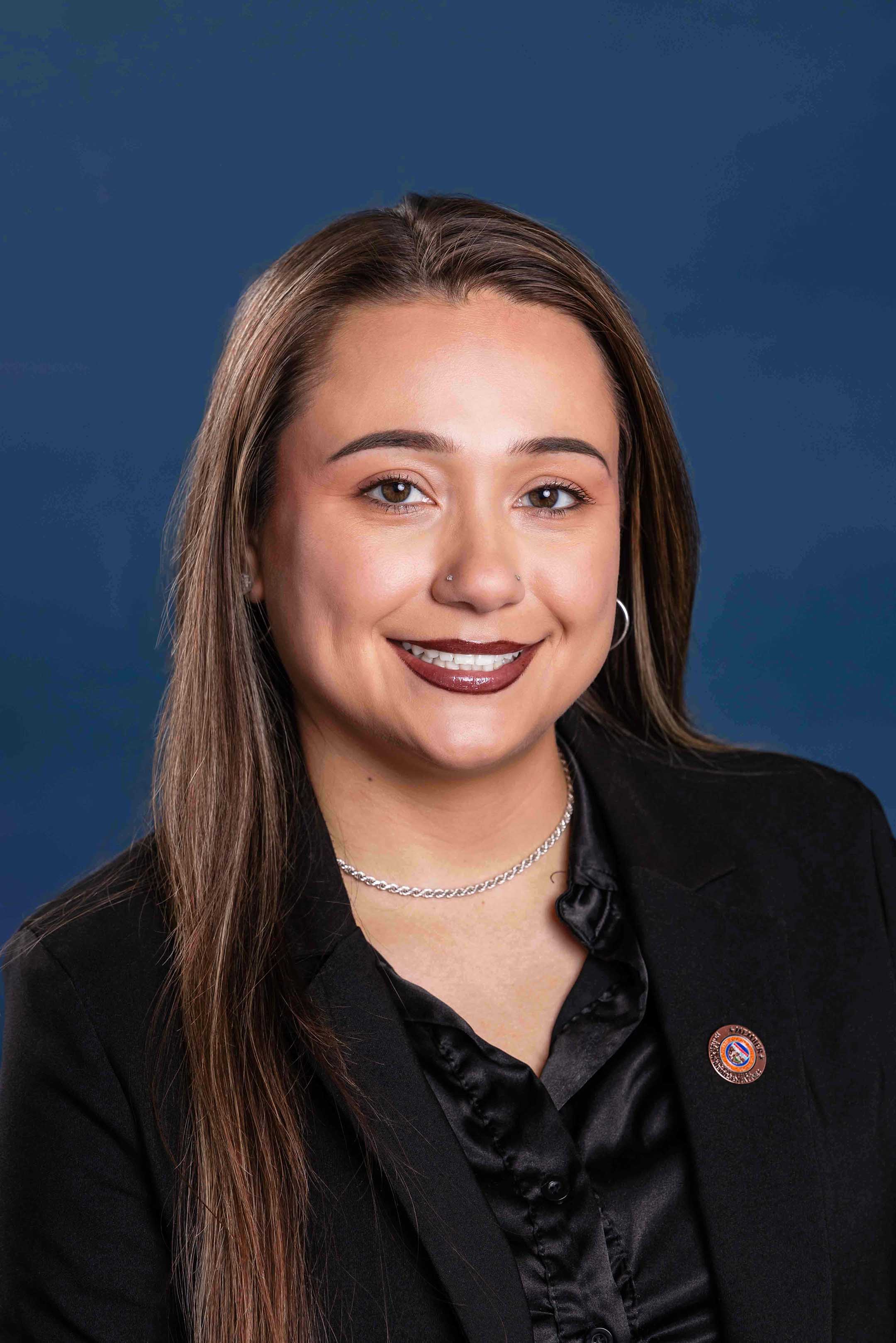
HB 2895 creates a grant program for Arizona school districts to partner with federally recognized tribes to offer Native American language courses. It also establishes support for teacher certification pathways for those teaching these languages and allows high school students to fulfill foreign language graduation requirements by demonstrating proficiency in a Native American language. The bill directly affects school districts, tribes, teachers seeking certification, and high school students. Key provisions include state-funded grants for language courses, streamlined teacher certification support, and flexibility in meeting graduation language requirements. This policy change aims to increase access to Native American language education within Arizona's public schools.
HB 2621 ensures students in unorganized territories (areas without established school districts) and homeschoolers with disabilities can access special education services. It requires school districts contacted by parents to conduct screenings, evaluations, and provide a free public education if a child qualifies under federal law. The bill mandates that tribal early intervention programs notify school superintendents when children turn 30 months to begin transition planning, and assigns the closest school district to evaluate children by their third birthday. Homeschoolers with disabilities retain federal rights to evaluations and equitable services, while the state education department must investigate violations and publish annual reports.
HB 2764 establishes a voluntary Arizona state seal to recognize high school students who demonstrate computer science proficiency upon graduation. Participating public school districts or charter schools will add this seal to diplomas and note it on transcripts for students meeting state-set minimum requirements. The superintendent of public instruction will create the seal and collaborate with the state board of education to define the proficiency standards. This program affects only students in schools that choose to join, with no mandatory participation for districts or schools.
HB 2032 requires Arizona third graders to demonstrate sufficient reading skills on the statewide assessment to advance to fourth grade. If a student does not meet this standard, they may be retained, but only if test data is available and they haven't been retained before. The bill allows exceptions for English learners, students with special education needs (including dyslexia), or those showing progress through approved assessments. Schools must offer multiple evidence-based reading interventions, provide detailed parent notifications about reading deficiencies, and report retention and intervention data to the state education department. This bill directly affects third graders, Arizona public schools, and their parents.
Arizona's HB 2600 requires public schools to obtain written parental permission before allowing students in grades six through eight to join any school-affiliated club or organization. The bill mandates that schools must describe the club's purpose, activities, and supporters when requesting this consent. It directly affects middle school students and their parents, with schools responsible for implementing the requirement. The law applies to all student clubs, teams, or similar groups primarily composed of students from the same public school. This policy change shifts decision-making authority for club participation from students to parents for this specific age group.
HB 2255 establishes Arizona's Teachers Academy to support students pursuing teaching careers. Community college students in teacher preparation programs can receive scholarships covering tuition and fees for up to two years (four semesters) if they agree to teach in Arizona public schools for one year per year of scholarship support. The program prioritizes high-demand areas like special education, STEM, rural schools, and low-income districts, with scholarships requiring repayment if the teaching commitment isn't fulfilled. The initiative is funded through state appropriations and aims to address teacher shortages by linking financial aid to service in Arizona schools.
HB 2008, the "Library Freedom Act," prohibits Arizona public schools from using taxpayer funds to pay dues or membership fees to professional associations that advocate for libraries and librarians. This directly affects public school libraries and their governing bodies, preventing them from financially supporting such associations with public money. The bill includes an exception allowing county free libraries, municipal libraries, or other contracted entities to still join these associations using their own funds. The law clarifies that "school library" encompasses the school's library, all sites it serves, and the school governing body.
This Arizona constitutional amendment (HCR 2056) would recognize and protect an individual's fundamental right to refuse any medical treatment, product, or mandate - including those tied to employment, education, or public access - without government coercion. It prohibits government entities from forcing medical interventions (like vaccinations or implants) as a condition for benefits, rights, or services, but includes key exceptions: court-ordered treatment for mental health risks, law enforcement custody, parental decisions for minors, emergency life-saving care, and federal or existing state requirements. The bill defines "coerce or compel" as imposing penalties or denying benefits for noncompliance. If approved by voters, it would amend Arizona's constitution, making this right enforceable.
HB 2409 establishes a voluntary statewide summer education program for Arizona residents through the Department of Education. It creates two core curricula: one teaching digital safety (including spotting AI-generated misinformation, understanding algorithmic bias, and protecting personal data), and another providing practical AI skills for small business owners (covering marketing tools, operational automation, and ethical use). The program, offered at public facilities, allows participating schools or colleges to award academic credit for completion. It directly affects Arizona residents and small business owners by providing accessible, hands-on AI education without mandating school curriculum changes.
HB 2135 creates civil liability for organizations that implement diversity, equity, and inclusion (DEI) policies as defined in the bill. It allows individuals to sue "covered entities" (like corporations, schools, or government agencies) for at least $100,000 in damages if they believe such policies violate specific prohibited concepts - such as claiming one race is inherently superior, that the U.S. is fundamentally racist, or that meritocracy is racist. The bill specifies that lawsuits must be filed within three years of the alleged violation and includes provisions for injunctive relief, declaratory judgments, and attorney fees. This legislation directly affects organizations operating in Arizona that adopt DEI programs meeting the bill’s narrow definition.