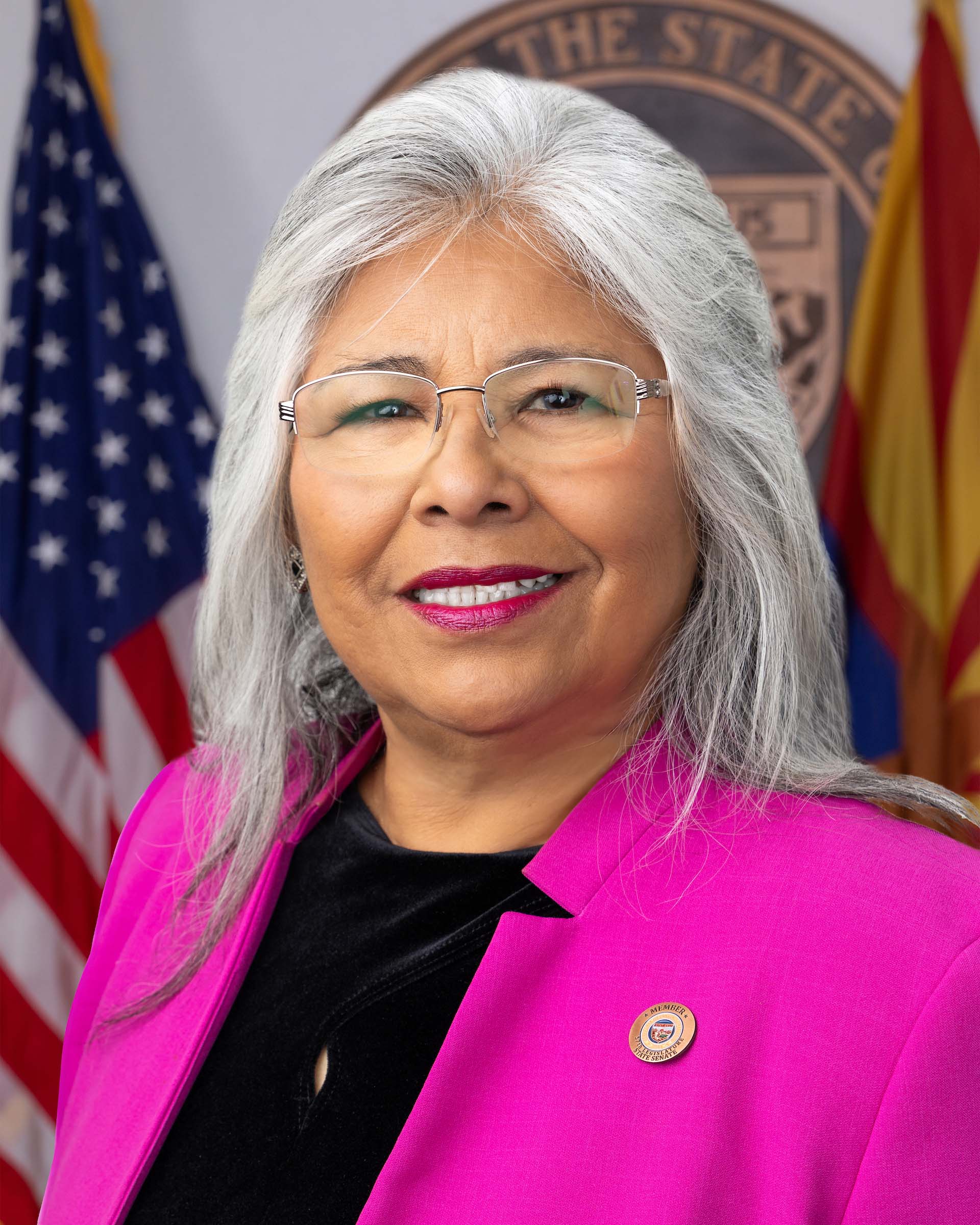
SB 1669 restricts the use of a sexual assault victim's past sexual history as evidence in court, generally barring reputation or opinion evidence about their chastity. It allows limited exceptions only for evidence about the victim's past sexual conduct with the defendant, specific instances showing the source of physical evidence (like semen or pregnancy), evidence supporting a motive for false accusations, impeachment of the victim, or prior false allegations against others. Before any such evidence can be presented, a judge must hold a pretrial hearing and determine admissibility using the "clear and convincing evidence" standard. This law directly affects criminal trials for sexual offenses under Arizona statutes (including sections 13-1421, 13-3212, and chapter 35), aiming to limit prejudicial questioning of victims.
HB 2941 amends Arizona law to classify operating a motorcycle in violation of specific traffic rules (sections 28-903 B/C) as reckless driving. This directly affects motorcycle riders who commit such violations, increasing penalties for repeat offenses within 24 months. For second or subsequent violations, the law mandates a minimum 20-day jail sentence before eligibility for probation and imposes a one-year license suspension, with a restricted license option available after 45 days of suspension. The bill also requires judges to order license surrender and report convictions to the state department.
HB 4056 amends Arizona Revised Statutes § 13-116 to clarify that when an act violates multiple laws, sentences must run concurrently (served at the same time), not consecutively. It also states that a conviction or acquittal under one law bars prosecution for the same act under another law, aligning with constitutional protections against double jeopardy. This technical correction directly affects criminal defendants in Arizona who face charges under multiple statutes for the same conduct. The bill passed the Arizona House of Representatives on March 3, 2026, and was referred to the Senate.
HB 2771 requires individuals on community supervision (probation) in Arizona to pay a $65 monthly fee unless they demonstrate inability to pay. Seventy percent of these fees fund victim compensation programs, while 30% supports community corrections services. The bill also allows charging probationers for actual costs of drug testing or rehabilitation programs, with collected funds limited to covering those specific program expenses. It directly affects people under probation supervision by creating new financial obligations tied to supervision and treatment services.
HB 2662 (Arizona) sets standards for expert testimony in parenting time cases where domestic violence or abuse is alleged. It requires courts to admit only testimony from experts with specific clinical experience supporting victims of domestic violence - not just forensic expertise - and limits evidence to scientifically validated methods. The bill prohibits the use of polygraphs, voice-stress analysis, or unproven psychological measures in these proceedings. This directly affects courts, experts testifying in custody disputes, and parents involved in cases with domestic violence allegations.
SB 1326 strengthens victims' rights in Arizona criminal cases by allowing victims to directly enforce their constitutional rights in court without paying filing fees. It gives victims the right to hire their own lawyers (at their expense), recover damages from government entities that violate their rights, and receive court-ordered attorney fees from parties who breach those rights - including fees for free legal aid or pro bono attorneys. The law applies to all pending or new criminal cases after its effective date. This clarifies victims' standing to challenge rights violations and ensures their legal representation is included in relevant court proceedings.
SB 1476 modifies Arizona law to address child neglect cases involving prenatal substance exposure. It creates an affirmative defense for mothers who completed alcohol or drug treatment during pregnancy, preventing them from being charged with child neglect for that specific conduct. The bill specifies that child neglect related to untreated prenatal substance use remains a class 6 felony, but the defense applies if treatment was completed. This directly affects mothers facing neglect charges due to substance use during pregnancy who have accessed treatment services. The policy change shifts legal consequences for a defined subset of cases without altering general neglect definitions.
SB 1512 amends Arizona's theft statutes to specifically address property crimes involving vulnerable adults. It creates a new theft offense when someone in a position of trust (like a caregiver, family member, or fiduciary) takes a vulnerable adult's property with intent to deprive them, defined as an adult 18+ unable to protect themselves due to physical or mental impairment. Key provisions include requiring proof of trust-based control (not just general theft), listing defenses like prior gift patterns or court approval, and applying standard felony classifications based on property value. The bill directly affects vulnerable adults and those acting in trusted roles, clarifying when such actions constitute theft under Arizona law.
HB 2048 amends Arizona's order of protection procedures to clarify and streamline the process for victims of domestic violence. It allows minors, third parties acting on behalf of incapacitated individuals, and others to file petitions, requires courts to review petitions without a hearing if reasonable cause exists, and specifies that orders can include restrictions on contact, exclusive residence possession, firearm prohibitions, and animal custody. The bill eliminates filing and service fees, mandates courts provide information about local emergency and counseling services, and prohibits mutual orders of protection while requiring consolidation of opposing petitions. This directly affects domestic violence victims, alleged abusers, and courts handling these cases.
HB 2720 requires courts to collect a $200 mandatory assessment from individuals convicted of paying for sex (a specific violation under Arizona law), which cannot be waived. The funds from these assessments flow directly into Arizona’s Anti-Human Trafficking Grant Fund, established under Section 41-1736. This fund provides money to support programs that assist trafficking victims, aid law enforcement in combating trafficking, and offer public training on identifying trafficking. The bill does not change prostitution penalties but links fines from specific prostitution-related convictions to anti-trafficking initiatives.