Issue · Budget & Taxes

Budget & Taxes

Every budget & taxes bill, vote, and legislator stance in Arizona, automatically classified by Maddy, our AI policy reader.

Total bills
12
57th Legislature - Second Regular Session
Top supporter
Selina Bliss
92% support rate
Top opponent
Anna Abeytia
20% support rate
Ranked legislators
10
5 support · 5 oppose
Key legislators

Who's moving budget & taxes in Arizona

Legislators moving budget & taxes in Arizona
Legislator Party Stance Support rate Decisive votes
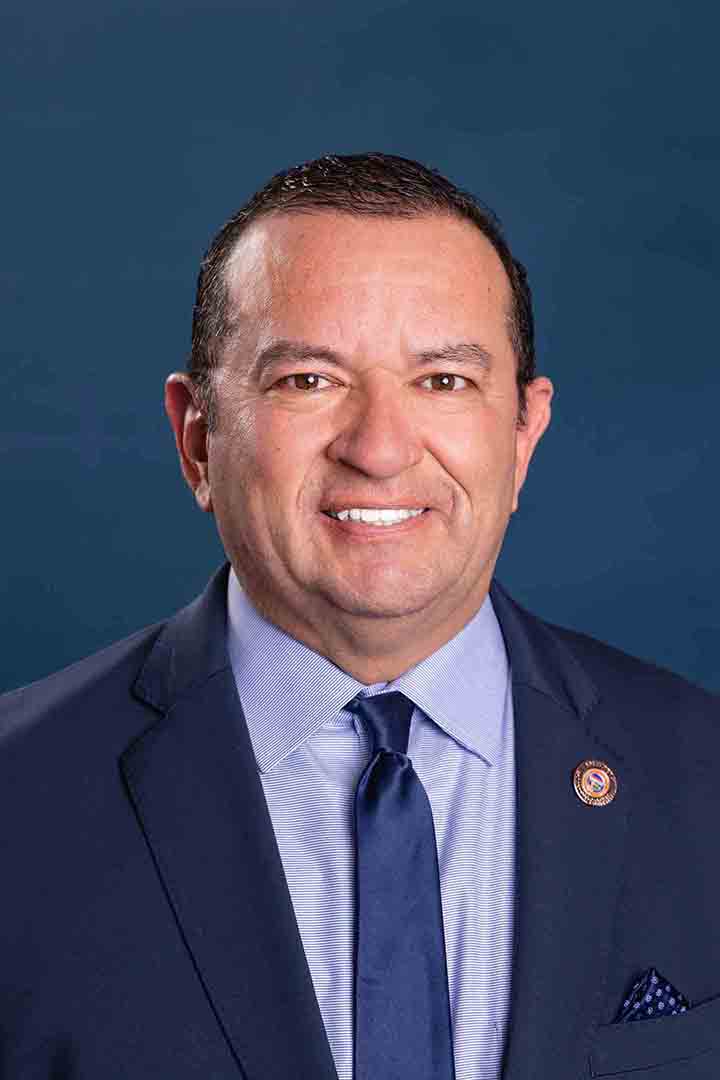
Selina Bliss
Selina Bliss House · District 1
R
Strong +
92% 96
James Taylor
James Taylor House · District 29
R
Strong +
91% 94
David Livingston
David Livingston House · District 28
R
Strong +
91% 92
Tony Rivero
Tony Rivero House · District 27
R
Strong +
91% 95
Chris Lopez
Chris Lopez House · District 16
R
Strong +
90% 96
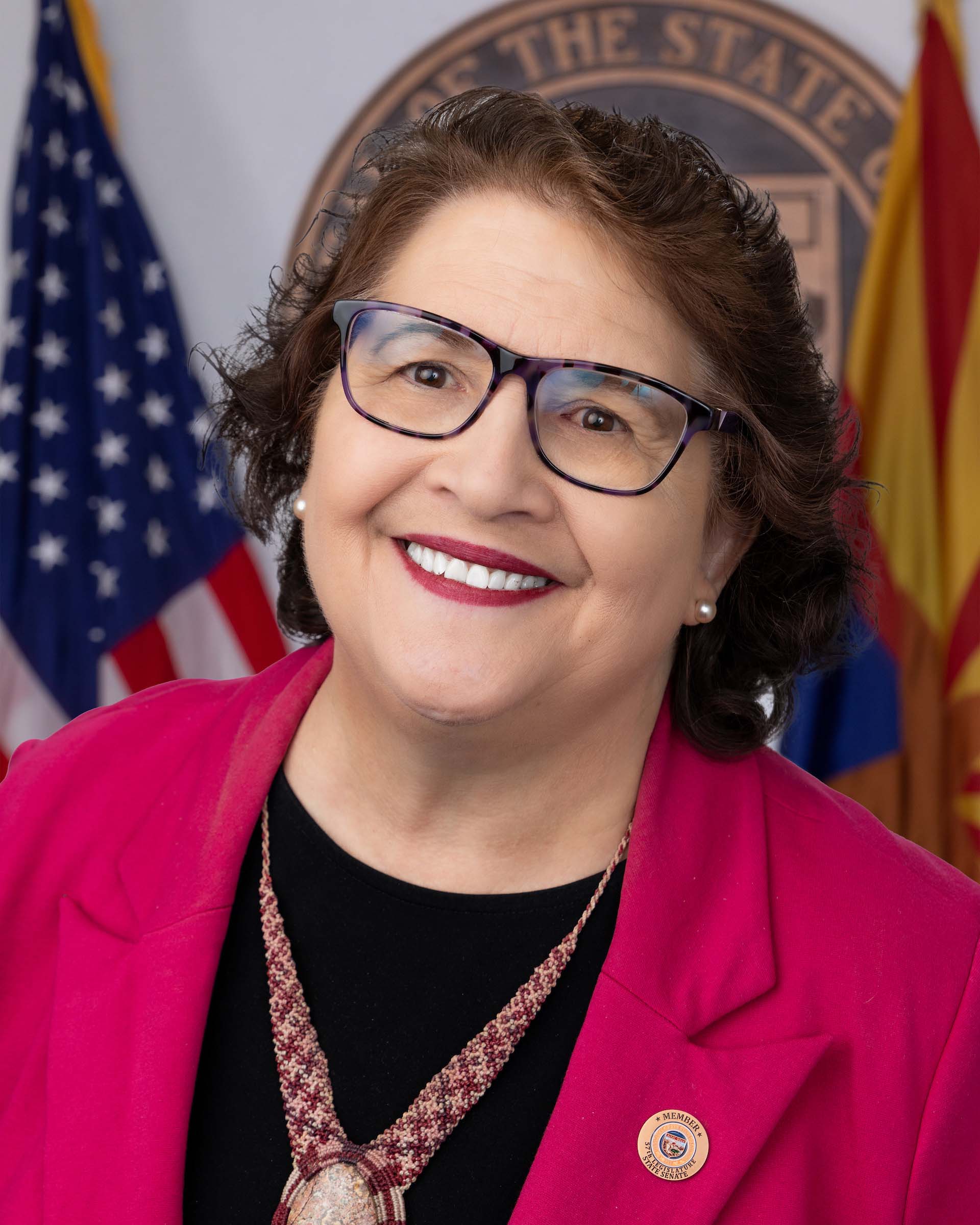
Anna Abeytia
Anna Abeytia House · District 24
D
Strong −
20% 70
Mariana Sandoval
Mariana Sandoval House · District 23
D
Oppose
21% 96
Eva Diaz
Eva Diaz Senate · District 22
D
Oppose
21% 81
Mitzi Epstein
Mitzi Epstein Senate · District 12
D
Oppose
23% 81
Aaron Marquez
Aaron Marquez House · District 5
D
Oppose
24% 90
Showing 11–12 of 12 bills

All budget & taxes bills

failed · Arizona · Senate Mar 4, 2026

SB 1745: local excise taxes; rate limit

SB 1745 limits transaction privilege taxes (like local sales taxes on specific services) in Arizona cities and towns with over 550,000 residents to a maximum of 2.5% per tax category. It requires voter approval for any tax increase above this cap, with elections held on even-year consolidated dates. Existing voter-approved taxes remain exempt from the cap, but cities violating the law face state revenue withholding until corrected. The bill directly affects large municipalities' ability to raise local tax rates without public consent.
passed · Arizona · Senate Mar 3, 2026

SB 1045: blockchain technology; tax; fee; prohibition

Arizona's SB 1045 prohibits cities and counties from banning or taxing individuals who run blockchain technology nodes (home-based computers validating transactions) in their residences. The bill explicitly prevents local governments from imposing restrictions or fees on residential blockchain operations, stating such regulation is a statewide concern. It defines key terms like "computational power" (using hardware/software for tasks like blockchain processing) and "running a node" (validating transactions). The law directly affects residential users of blockchain technology, ensuring they cannot face local barriers or costs for this activity.
Showing 11 to 12 of 12 bills