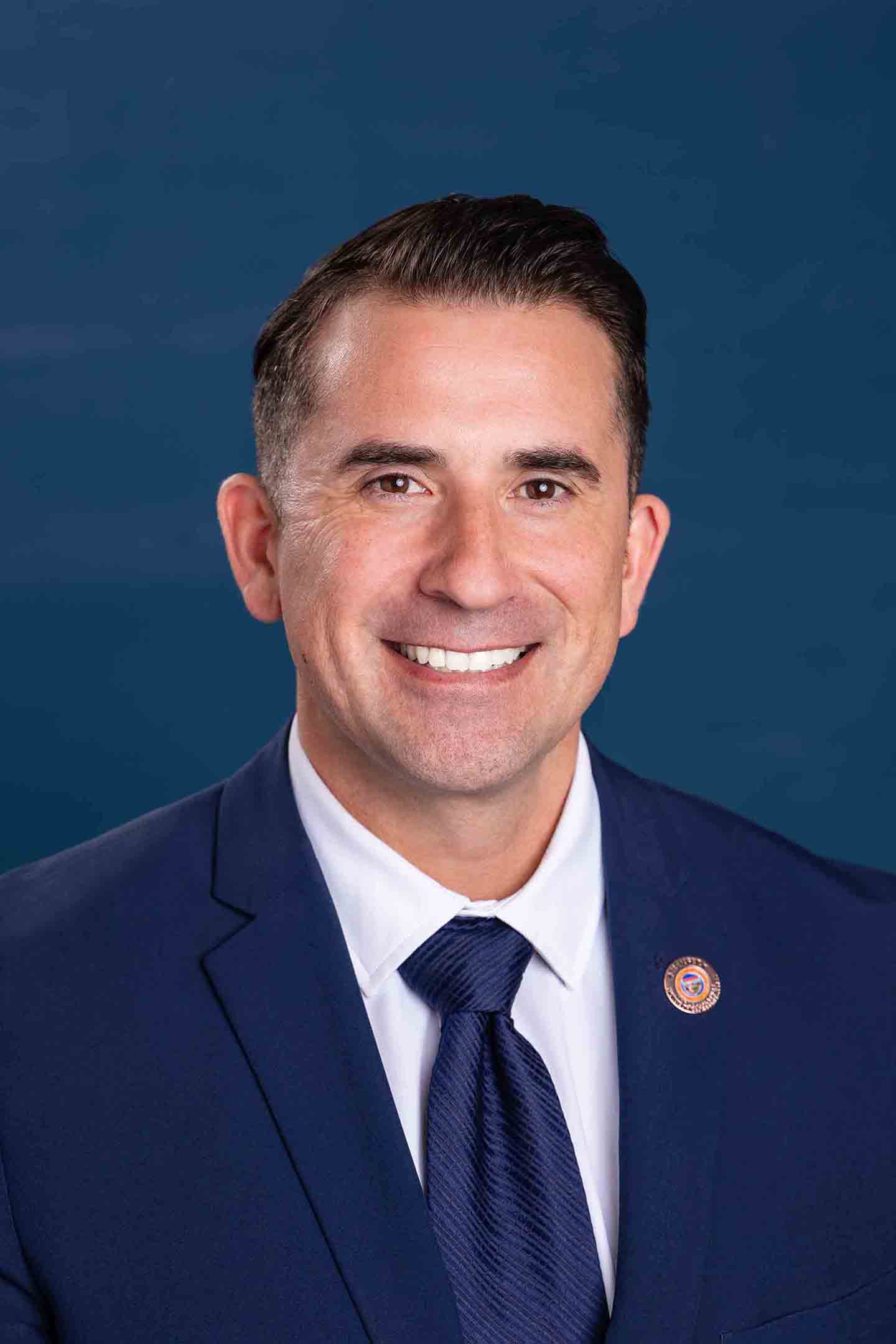
HCM 2008 is a memorial from Arizona's state legislature requesting the federal government eliminate the gas tax on Arizona's "Cleaner Burning Gas" blend during specific summer months. It targets the federal excise tax applied to this specialized fuel, which is more expensive to produce than standard gasoline but required to meet air quality standards in Maricopa and Pinal counties. The memorial asks Congress to either temporarily exempt this fuel from tax (May 1-Sept. 30) or grant the EPA emergency authority to waive the tax for EPA-approved blends meeting air quality standards. This request directly affects Arizona residents in those counties who use this fuel, aiming to lower local gas prices by removing the tax burden on the specialized blend.
HB 2053 appropriates $100,000 from the state general fund to Arizona's Department of Water Resources for updated stormwater recharge mapping in fiscal year 2026-2027. Within 180 days, the department must collaborate with agricultural districts and the state natural resource conservation board to create a map identifying potential stormwater recharge sites. The map must show locations on public or private lands with suitable soil for groundwater recharge, excluding areas with existing surface water rights or where runoff would enter streams. This bill defines "stormwater" as rainwater runoff that doesn't enter streams and would otherwise evaporate.
HB 2290 clarifies where Arizona collects sales tax on tangible personal property sales, primarily affecting online retailers and car-sharing companies. It specifies that sales tax applies based on where the seller *receives the order* (not where the customer lives or where the order is processed), requiring out-of-state sellers to collect tax if orders are received at a business location in Arizona. For car-sharing services, tax is determined by the vehicle's registration location or the owner's Arizona address during use. This changes how businesses calculate tax liability for physical goods sold to Arizona customers, particularly impacting e-commerce and shared vehicle transactions.
HB 2148 establishes rules for Arizona to handle federal funds that the state can spend with flexibility (like block grants or broad-purpose funds). It requires state agencies to track these funds separately in accounting systems and ensures the legislature retains control over how they are used. The bill mandates that appropriations specify spending purposes and allows lump-sum budgets for unexpected funds, with agency proposals reviewed by the legislative budget committee. If actual funds received differ from appropriations, spending is adjusted proportionally to match the available amount.
HB 2094 allows Arizona's Department of Water Resources to review pending applications for "certificate of assured water supply" in the Phoenix Active Management Area (submitted between 2021-2023 but not yet approved). It requires municipal water providers to calculate and assign 25% of their annual excess groundwater deliveries as long-term storage credits to the Central Arizona Groundwater Replenishment District. This assignment reduces the provider's annual replenishment tax obligation and continues as long as the land retains groundwater replenishment requirements. The bill expires December 31, 2028, and applies only to applications supported by specific historical groundwater models.
HB 2500 provides an additional $1,000,000 and 12 full-time positions from the state general fund for fiscal year 2025-2026 to the Arizona superintendent of public instruction. This funding is specifically for administering the Arizona Empowerment Scholarship Account (ESA) program, which allows families to use public funds for private school tuition or educational services. The bill directly affects the superintendent's office and the ESA program's operations, adding resources to manage the existing scholarship initiative. It does not change eligibility or benefit amounts but ensures the program has dedicated staffing and funding for administration.
HB 2499 appropriates $2.6 million and 12 full-time equivalent positions from Arizona's general fund for fiscal year 2026-2027 to the Department of Education. This funding specifically supports the administration of the Arizona Empowerment Scholarship Account (ESA) program, which provides state-funded scholarships to students. The bill designates this as ongoing funding intended for future years, ensuring continued operational support for the program. The measure directly affects the Department of Education (as the administrator) and the ESA program's beneficiaries.
HB 2798 appropriates funds to the University of Arizona’s Arizona Geological Survey to study minerals and metals needed for advanced nuclear reactors (including generation III+ and IV small modular reactors). The study requires mapping all known mineral reserves across Arizona, detailing quantities and grades for each site. The Geological Survey must submit a final report to state officials and publish it online by a specified deadline. This bill directly affects Arizona’s geological data collection efforts and state officials receiving the findings, with no direct impact on the public or businesses.
HB 2030 establishes a state fund to support voluntary water conservation programs in Arizona. The fund provides grants for projects like rainwater harvesting systems, drought-resistant landscaping, groundwater recharge initiatives, and educational programs teaching water efficiency. It directly affects water users, local governments, and communities implementing these conservation measures by offering financial support for specific, practical water-saving efforts. The bill outlines clear, concrete uses for the funds without specifying new regulations or mandatory requirements.
HB 2106 clarifies how Arizona counties can levy a transportation excise tax approved by voters. It sets a maximum tax rate (up to 20% of existing business tax rates) and specifies where collected revenue must go: counties with over 400,000 residents deposit funds into a regional transportation fund, while smaller counties can choose between that fund or a public transportation authority fund. The tax applies to business transactions, electricity, and natural gas use, and must fund transportation projects in the county. This bill modifies existing tax collection rules but does not create new taxes - only defines how existing voter-approved county taxes operate.