

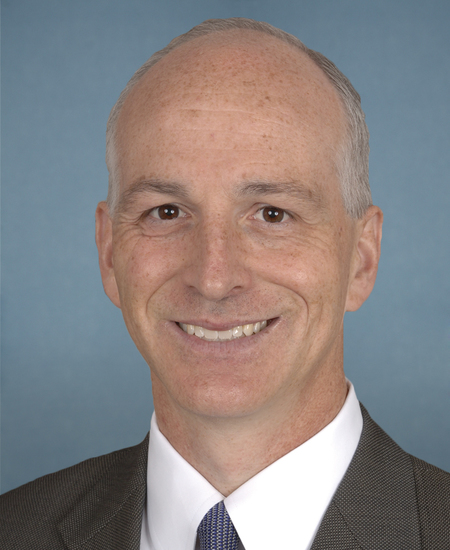
Adam Smith
2026 general election.
Federal Election Commission filings for the 2026 two-year cycle. Candidates appear in the order they are listed on this page. They are not ranked by money, and these measures are never combined into a single score.
Every candidate below reports through Jul 15, 2026.
| Candidate | Total receipts | Cash on hand | Direct PAC receipts |
|---|---|---|---|
| Adam Smith Democratic incumbent | $1,882,001 | $869,549 | $563,000 |
| Douglas Basler Republican | $99,242 | $5,021 | $0 |
Each measure below has its own scale and starts at zero, so bars can be read against each other within a measure but not across measures. Every figure is reported through Jul 15, 2026.
Everything the authorized campaign committee took in, including contributions, loans, and transfers.
Highest total receipts: Adam Smith at $1,882,001. Lowest: Douglas Basler at $99,242. The largest reported value sets this scale at $1,882,001.
The balance the campaign reported at the end of its coverage period.
Highest cash on hand: Adam Smith at $869,549. Lowest: Douglas Basler at $5,021. The largest reported value sets this scale at $869,549.
Money the campaign received from PACs and other political committees. This is not outside spending.
Highest direct PAC receipts: Adam Smith at $563,000. Lowest: Douglas Basler at $0. The largest reported value sets this scale at $563,000.
Independent expenditures by other organizations supporting the candidate, not coordinated with the campaign and never received by it.
Every compared candidate reported $0 for outside spending supporting. The largest reported value sets this scale at $0.
Independent expenditures by other organizations opposing the candidate, not coordinated with any campaign.
Every compared candidate reported $0 for outside spending opposing. The largest reported value sets this scale at $0.
Each column is one candidate and each figure is that candidate's own money, taken over that candidate's own itemized total. Nothing here is added across candidates, and the two groupings below are never added to each other: the first is who the FEC says runs the giving committee, which covers every dollar, and the second is what interest a source says that committee advances, which is a claim MyRepTracker makes and covers only part of the money.
| Category | Adam Smith Democratic |
|---|---|
| Corporate PACs | $382,50065.8% |
| Labor union PACs | $77,75013.4% |
| Trade association PACs | $34,5005.9% |
| Non-connected committees | $30,7505.3% |
| Membership organization PACs | $19,5003.4% |
| Leadership PACs | $16,9562.9% |
| Corporations without capital stock | $15,0002.6% |
| Other candidates' committees | $4,0000.7% |
| Party committees | $740.0% |
| Itemized total | $581,030 |
| Category | Adam Smith Democratic |
|---|---|
| Defense Defense | $125,50022.4% |
| Technology Communications and technology | $66,50011.9% |
| Air transport Transportation | $34,0006.1% |
| Telecommunications Communications and technology | $31,5005.6% |
| Building trades unions Labor | $25,0004.5% |
| Industrial unions Labor | $23,5004.2% |
| Public sector unions Labor | $21,0003.8% |
| Automotive Transportation | $15,0002.7% |
| Construction Construction | $14,5002.6% |
| Health insurance Health | $13,5002.4% |
| Credit unions Finance, insurance, and real estate | $10,0001.8% |
| Electric utilities Energy and natural resources | $10,0001.8% |
| Real estate Finance, insurance, and real estate | $7,5001.3% |
| Hospitals and nursing homes Health | $6,0001.1% |
| Transportation unions Labor | $6,0001.1% |
| Accounting Professional services | $5,0000.9% |
| Agribusiness Agriculture | $5,0000.9% |
| Pro-Israel Ideological and single-issue | $5,0000.9% |
| Lawyers and law firms Professional services | $4,5000.8% |
| Pharmaceuticals Health | $4,5000.8% |
| Commercial banking Finance, insurance, and real estate | $2,5000.4% |
| Food and beverage Agriculture | $2,5000.4% |
| Media and entertainment Communications and technology | $2,5000.4% |
| Trucking Transportation | $2,5000.4% |
| Committees not yet categorized | $116,50020.8% |
| Leadership PACs, party committees, and other candidates' committees | $21,030 |
| Itemized total | $581,030 |
These candidates are compared in the table above but have no stored breakdown of where their committee money came from, so they are named here rather than shown as a column of zeroes.
Within 48 hours of receiving a contribution or loan of $1,000 or more in the days just before an election, a campaign must notify the FEC. These notices are provisional: the same money appears again in the regular report covering those days, so it is not added to the amounts above and is not compared as a measure. Candidates file them only while their own election is close, so an absence here says nothing about a campaign's fundraising.
| Candidate | Reported on notices | Notices | Covers | State |
|---|---|---|---|---|
| Adam Smith Democratic | $25,018 | 5 | Jul 19 to Jul 31, 2026 | $25,018 still provisional |
| Douglas Basler Republican | $12,603 | 1 | Jul 30 to Jul 31, 2026 | $12,603 still provisional |
Direct contributions are money the campaign received. Independent expenditures are spending by other organizations that is not coordinated with any campaign, and are never added to a candidate's receipts. Source: Federal Election Commission ↗.