

Mental health service providers; use of artificial intelligence system, civil penalty.
Summary
Use of artificial intelligence system by mental health service providers; civil penalty. Permits the use of an artificial intelligence system by mental health service providers for administrative support and supplementary support, as those terms are defined in the bill, and prohibits the use of an artificial intelligence system to provide therapy or counseling services without a mental health service provider. The bill specifies that records kept by mental health service providers must comply with health records privacy requirements; creates an exception for religious counseling, peer support, or self-help materials and educational resources; and establishes a civil penalty not to exceed $10,000 for violations of the statute.
Bill status
in committee
1 of 4 stages cleared
Introduction
Jan 2026
Committee Review
Floor Vote
Governor
Introduced Jan 13, 2026
Last action Feb 18, 2026
Maddy AI version diff · 1 comparison
What changed between versions
Introduced
→
Communications, Technology and Innovation Substitute
·
4 edits
MODERATE
The bill was amended by the House Committee to remove specific definitions for 'administrative support' and 'supplementary support,' broadening the scope to allow AI use in any non-therapeutic task. The committee also replaced the strict prohibition on AI detecting emotions with a general ban on independent therapeutic decisions and added a requirement for provider oversight when AI interacts with clients. Additionally, the required patient consent method was expanded to include digital consent options.
Scope change
The bill's scope was broadened by removing the specific list of allowed administrative tasks, meaning AI can now be used for any task that does not involve therapeutic communication, rather than just the three previously listed examples.
DEFINITION
Removed the specific list of examples for 'administrative support' and 'supplementary support,' allowing AI use in any non-therapeutic task.
REQUIREMENT
Expanded consent requirements to explicitly allow for digital consent in addition to written consent.
Replaced the specific ban on AI detecting emotions with a broader prohibition on AI making independent therapeutic decisions or interacting with clients without provider oversight.
Added a requirement that AI must not generate recommendations or treatment plans without review, oversight, and approval by a licensed professional.
Floor votes
How they voted
No floor votes recorded yet.
Full legislative history
Actions timeline
Total actions
7
Key actions
3
Committee
5
Feb 18, 2026
Lower · Passed
Left in Committee Communications, Technology and Innovation
lower
Feb 4, 2026
Lower · Passed
Subcommittee recommends laying on the table (6-Y 4-N)
lower
Feb 4, 2026
Lower · Passed
House subcommittee offered
lower
Jan 29, 2026
Committee
Assigned HST sub: Technology and Innovation
lower
Jan 13, 2026
Committee
Referred to Committee on Communications, Technology and Innovation
lower
1 primary · 7 co-sponsors
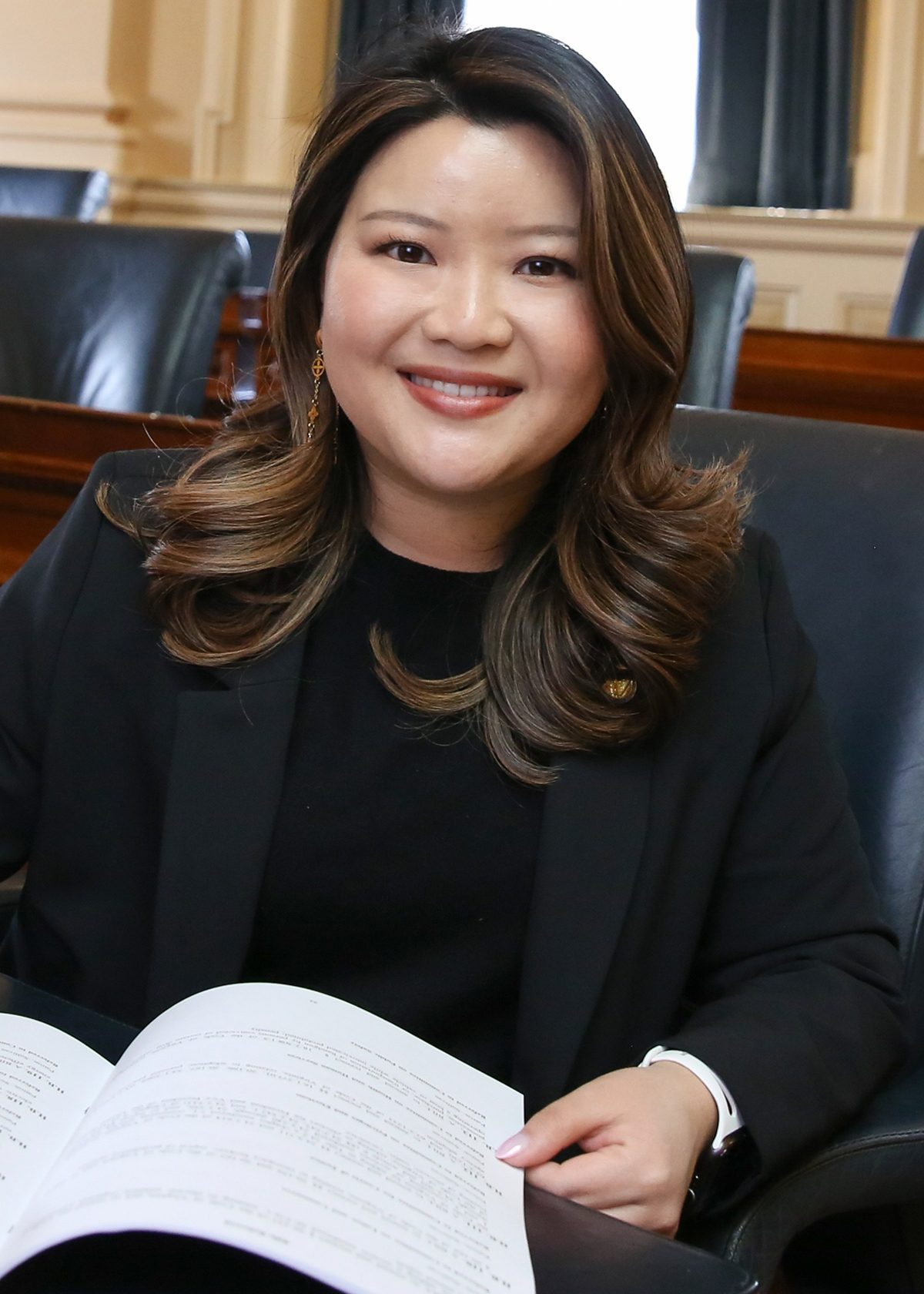
Sponsors







Ask Maddy
·
AI policy assistant
Ask Maddy about HB 668
Scope: VA
Hi! I can help you understand HB 668. What would you like to know?
Try one of these
i
Maddy answers using official bill text and legislative records. Always verify before sharing.
Sources cited inline