Maddy summaryThis House resolution expresses support for designating the week of September 19 through September 26, 2026, as National Estuaries Week to raise public awareness about the importance of these coastal ecosystems. The bill highlights that estuaries support a significant portion of the U.S. population and economy while providing critical services such as flood control, water filtration, and habitat for fish and wildlife. It acknowledges ongoing threats to estuary health, including pollution and sea level changes, and recognizes the efforts of government agencies, organizations, and individuals working to protect and restore these areas.

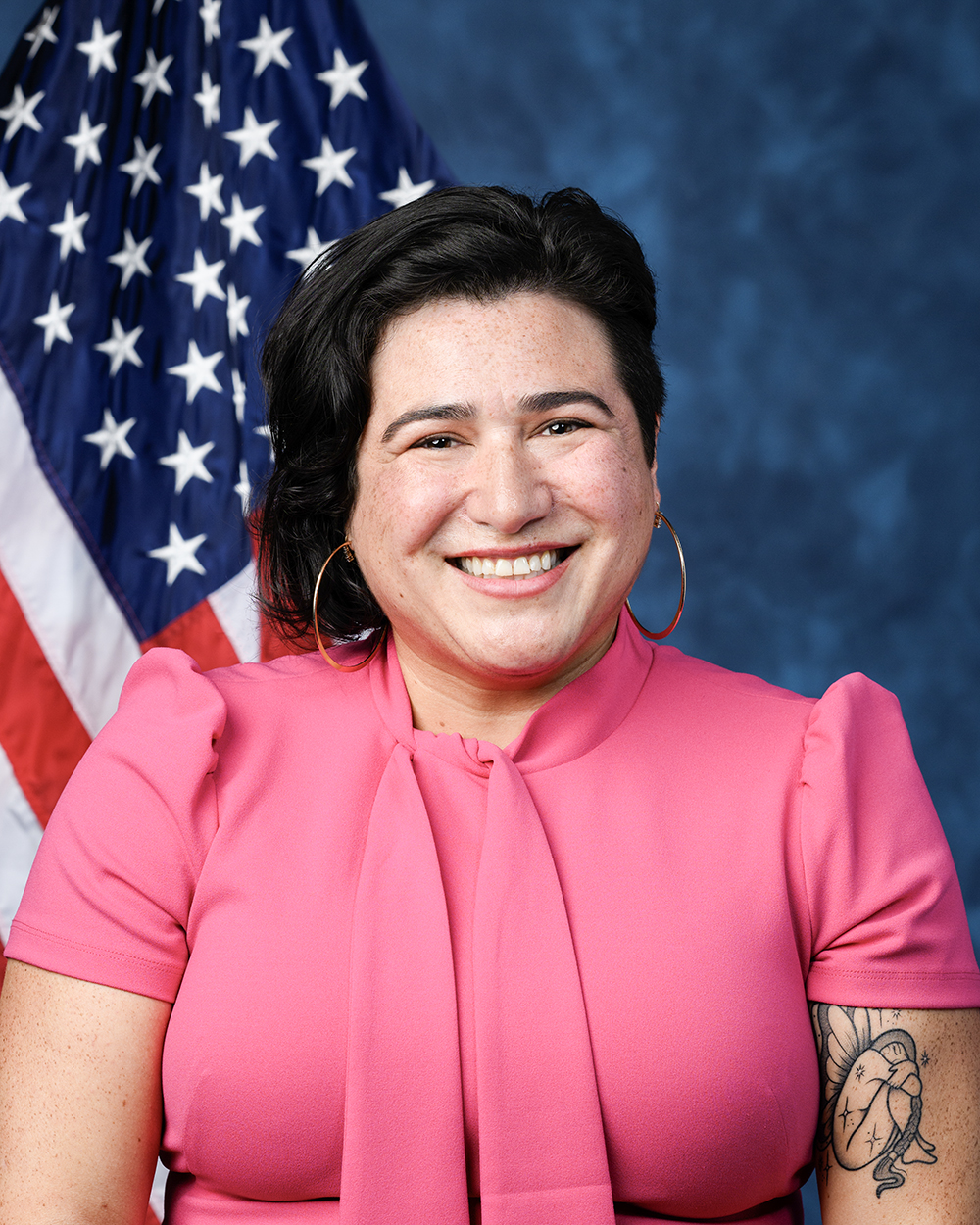
Rep. Emily Randall
Sponsored bills
Maddy summaryThis bill updates the Puyallup Tribe of Indians' access to a permanent trust fund established by the 1989 Settlement Act. It amends the 1989 law to allow the Tribe to withdraw funds under the 1994 American Indian Trust Fund Management Reform Act, using a management plan approved by the Secretary of the Interior. A savings provision ensures the U.S. government can continue engaging with the Tribe under all applicable federal laws after the bill's enactment. The bill directly affects the Puyallup Tribe of Indians by changing how they manage and access their trust funds.
Maddy summaryThis House resolution formally recognizes suicide as a significant public health issue in the United States and highlights the impact of the 988 Suicide and Crisis Lifeline on individuals and communities. It commends the establishment of the 988 number as a nationwide three-digit dialing code for crisis support, noting its role in connecting people to mental health resources. The bill supports the designation of September 8, 2026, as "988 Day" to raise awareness about the service and promote access to mental health care. Additionally, it encourages continued public education and federal, state, and local efforts to expand crisis intervention programs for high-risk populations.
Maddy summaryThis House resolution marks the 25th anniversary of the September 11, 2001 terrorist attacks by formally honoring the memory of the nearly 3,000 victims and recognizing the sacrifices made by first responders, military personnel, and the passengers of United Airlines Flight 93. The bill acknowledges the ongoing health challenges faced by survivors and responders, highlighting the role of the World Trade Center Health Program in providing long-term medical support. It also credits charitable organizations and community groups that have continued to assist victims' families and veterans over the past two decades. Finally, the resolution urges the American public to observe the anniversary with ceremonies and reaffirms Congress's commitment to remembering the events and lessons of that day.
Maddy summaryThe Taxpayer Relief from Big Oil Act would eliminate existing royalty relief programs for oil and gas companies operating in the Gulf of Mexico and Alaska, requiring these firms to pay full royalties on their production. The bill also mandates that the Department of Interior establish standardized transportation cost deductions for calculating royalties on federal lands and offshore waters, capping these deductions at either 30 percent of the total value of production or actual reasonable costs, whichever is lower. Additionally, the legislation requires the Bureau of Land Management and the Bureau of Ocean Energy Management to submit annual reports to Congress detailing the number of royalty relief applications processed, approved wells, and estimated impacts on government revenue.
Maddy summaryThe Penalties for Polluters Act significantly increases the maximum civil penalties for violations of federal mineral leasing, oil and gas royalty management, and offshore lands laws to better account for inflation. These higher fines apply to companies and individuals who fail to comply with regulations regarding natural resource extraction and environmental protection. The bill also establishes a Penalty Revenue Reinvestment Fund that collects the additional revenue generated by these increased penalties. Half of this fund is distributed to states, Indian tribes, and local governments harmed by violations, while the other half supports federal agencies in enforcing compliance and safety standards.
Maddy summaryThe End Tuberculosis Now Act of 2026 amends the Foreign Assistance Act to designate ending the global tuberculosis emergency as a major objective of U.S. foreign policy and authorizes the President to provide funding for prevention, diagnosis, and treatment programs worldwide. The bill sets specific targets to be achieved by 2030, including an 80 percent reduction in new infections and a 90 percent reduction in deaths compared to 2015 levels, while also requiring that 30 million individuals receive preventive treatment. Key provisions mandate the use of innovative diagnostic tools, support for drug-resistant TB care, and coordination with private sector partners to develop vaccines and lower treatment costs. The legislation requires annual reports to Congress detailing program progress and expenditures, and it includes a sunset clause that terminates these specific authorities on January 1, 2033.
Maddy summaryThe Green New Deal for Public Housing Act directs the Department of Housing and Urban Development to provide grants to public housing agencies and tribal entities for the comprehensive rehabilitation, energy upgrades, and modernization of public housing stock. These funds are intended to transform properties into zero-carbon homes by installing renewable energy systems, electrifying appliances, and repairing infrastructure, while also establishing workforce development programs that offer training, apprenticeships, and stipends to residents and local low-income workers. The bill mandates strict labor standards, including prevailing wages and the use of U.S.-made materials, and requires agencies to maintain or increase the total number of public housing units while prioritizing resident participation through elected councils and community engagement processes.
Maddy summaryThe Wildfire Response and Readiness Act establishes a national prescribed fire program that requires federal agencies to increase the acreage of controlled burns on public lands by 10 percent annually for a decade. It creates a ten-year national wildfire plan to coordinate landscape-scale forest restoration, reforestation, and watershed protection efforts across federal, state, tribal, and private boundaries. The bill also authorizes new funding for community resilience, including grants for home hardening, satellite monitoring technology, and a joint office dedicated to fire environment data and prediction. Additionally, it modernizes the firefighting workforce by establishing training academies, expanding civilian conservation centers, and providing liability protections for non-federal partners conducting prescribed fires.
Maddy summaryThe Protect American Values Act prohibits the use of federal funds to implement, administer, or enforce a specific Department of Homeland Security rule regarding the "Public Charge" ground of inadmissibility. This legislation directly affects immigrants and mixed-status families by preventing the government from using public benefits as a factor in determining eligibility for lawful permanent resident status. The bill includes a statement of congressional intent arguing that the targeted rule would restrict access to essential services like food, medical care, and housing, while also negatively impacting state and local economies. By cutting off funding for this specific policy, the act aims to maintain current immigration standards and prevent what Congress describes as an unauthorized reversal of long-standing law.