

Maddy summaryThis bill, known as the Ratepayer Protection Act, modifies federal energy laws to ensure that large industrial customers pay for the specific infrastructure upgrades needed to serve their high electricity demands. It directly affects non-residential facilities with a peak power usage of 100 megawatts or more, requiring utilities to charge these customers the full incremental cost of any necessary generation, transmission, or distribution improvements. Under the new rules, large customers must also provide financial guarantees or contributions before such upgrades are made, ensuring utilities can recover costs even if the customer leaves the contract early. State regulators have two years to implement these standards, though the bill exempts utilities in states that have already enacted similar measures or are actively considering them.
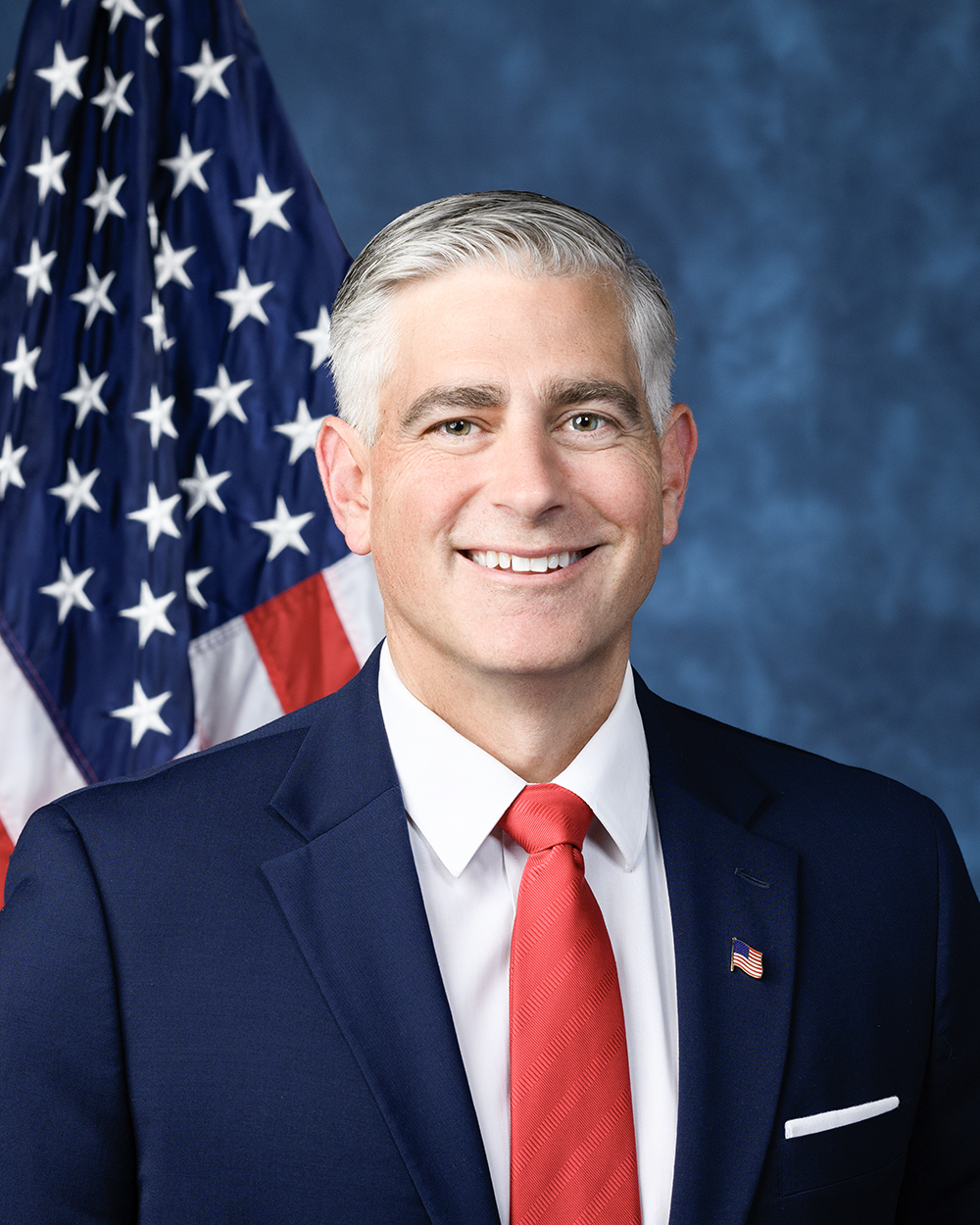
Rep. Michael Baumgartner
Sponsored bills
Maddy summaryHR 5267, the American Franchise Act, clarifies when franchisors can be considered joint employers of franchisee employees under federal labor laws. It defines "substantial direct and immediate control" over essential employment terms like wages, benefits, hours, hiring, and discipline - requiring franchisors to actively set these terms to be deemed joint employers. The bill explicitly excludes routine brand standards, training, or minimal safety requirements from constituting such control. This directly affects franchisors and franchisees by limiting joint employer liability to cases where franchisors exert significant, ongoing influence over core employment decisions. The law applies prospectively to new cases after enactment, not past disputes.
Maddy summaryThis bill amends the Fair Labor Standards Act to clarify that direct sellers and qualified real estate agents (as defined under IRS rules) are not considered "employees" under federal labor law. It directly affects these workers by excluding them from FLSA protections like minimum wage and overtime pay. The key provision inserts a new definition into the law, changing how these professions are classified for labor rights purposes. This is a technical definitional change, not a new policy or program.
Maddy summaryThis bill makes technical updates to over 30 different federal laws by changing the section numbers that reference the Indian Self-Determination and Education Assistance Act within the U.S. Code. It directly affects government agencies and programs that administer services to Native American communities, including healthcare, education, housing, and tribal governance programs. The key mechanism involves replacing outdated citations to chapters 14 and 19 of Title 25 with updated references to chapters 14 and 19 of Title 25, which now contain the reorganized provisions of the Indian Self-Determination Act. These corrections ensure that current legal references accurately point to the correct sections of the code where these programs are codified, without changing any actual program requirements or funding levels.
Maddy summaryThe No Antisemitism in Education Act of 2026 requires schools and universities receiving federal funds to treat antisemitism with the same seriousness as other forms of discrimination prohibited by Title VI of the Civil Rights Act. Under this law, institutions must use the official definition of antisemitism found in a prior presidential executive order to investigate complaints and enforce their own policies. The bill explicitly states that these requirements do not violate free speech rights or override existing state laws, ensuring that Jewish students and staff are protected from harassment and exclusion on campus.
Maddy summaryThe Wildfire Event Contract Prohibition Act would amend the Commodity Exchange Act to ban the listing or trading of contracts based on wildfire events, including details such as ignition, spread, damage, or evacuations. This prohibition applies to any agreement or swap involving these matters on registered financial entities. The bill also directs the Attorney General, in consultation with other federal officials, to review existing criminal and civil authorities for prosecuting individuals who profit from wildfires through wagers or trade on nonpublic information. Following this 180-day review, the Attorney General must submit a report to congressional committees with findings and potential legislative recommendations.
Maddy summaryThe Foreign Service Language Readiness Act requires the Secretary of State to identify and regularly update a list of critical foreign languages essential for U.S. national security and economic interests. This list must include specific proficiency standards and criteria for determining which job roles require these language skills, while also coordinating with other federal agencies to avoid duplication. The bill mandates that the Department of State integrate these language capabilities into hiring, training, and assignment processes, including the creation of a reserve pool of officers with these skills for rapid deployment during crises. Additionally, the Secretary must submit a comprehensive report by December 31, 2027, detailing staffing levels, workforce shortages, and planned actions to address language capability needs.
Maddy summaryHR 7008, the Stop Insider Trading Act, restricts Members of Congress, their spouses, and dependent children from purchasing certain investments like stocks in publicly traded companies. It requires 7-14 days' advance public notice before selling any such investment, including the sale date, description, and number of shares. Exceptions apply for work-related transactions (e.g., employer compensation) and reinvesting dividends. Violations trigger a fee of $2,000 or 10% of the investment’s value (whichever is greater), plus any net gain, paid from personal funds - not congressional allowances or campaign donations. The bill aims to prevent conflicts of interest by increasing transparency around congressional financial dealings.
Maddy summaryThe No Racketeers on our Shores Act makes foreign government officials inadmissible to the United States and subject to deportation if they engage in economic discrimination against U.S. persons. This discrimination is defined as imposing investigations, fines, licensing restrictions, or other legal burdens that are more severe, frequent, or procedurally unfair compared to those applied to non-U.S. citizens in similar situations. The law directly affects foreign officials who initiate or direct these unequal enforcement actions and impacts U.S. individuals and entities facing such biased treatment. By adding these specific grounds to immigration laws, the bill aims to prevent foreign officials from using regulatory power to target Americans unfairly.
Maddy summaryThis bill updates federal regulations to allow for the targeted removal of sea lions and harbor seals in Washington and Oregon to protect endangered salmon and steelhead. It creates a new program to fund and develop technology that physically blocks these marine mammals from entering critical fish habitats while ensuring navigation remains unimpeded. The legislation also establishes a specific permitting process that allows state agencies and federally recognized tribes to carry out humane lethal removals of these animals under strict oversight. A key provision requires the government to review and potentially end this lethal removal authority after five years if the Secretary determines it is no longer necessary for fish recovery. Additionally, the bill mandates regular reports to Congress on sea lion populations and their impact on fish species, along with a long-term study on the effectiveness of these management actions.