

Maddy summaryThis House resolution marks the 25th anniversary of the September 11, 2001 terrorist attacks by formally honoring the memory of the nearly 3,000 victims and recognizing the sacrifices made by first responders, military personnel, and the passengers of United Airlines Flight 93. The bill acknowledges the ongoing health challenges faced by survivors and responders, highlighting the role of the World Trade Center Health Program in providing long-term medical support. It also credits charitable organizations and community groups that have continued to assist victims' families and veterans over the past two decades. Finally, the resolution urges the American public to observe the anniversary with ceremonies and reaffirms Congress's commitment to remembering the events and lessons of that day.
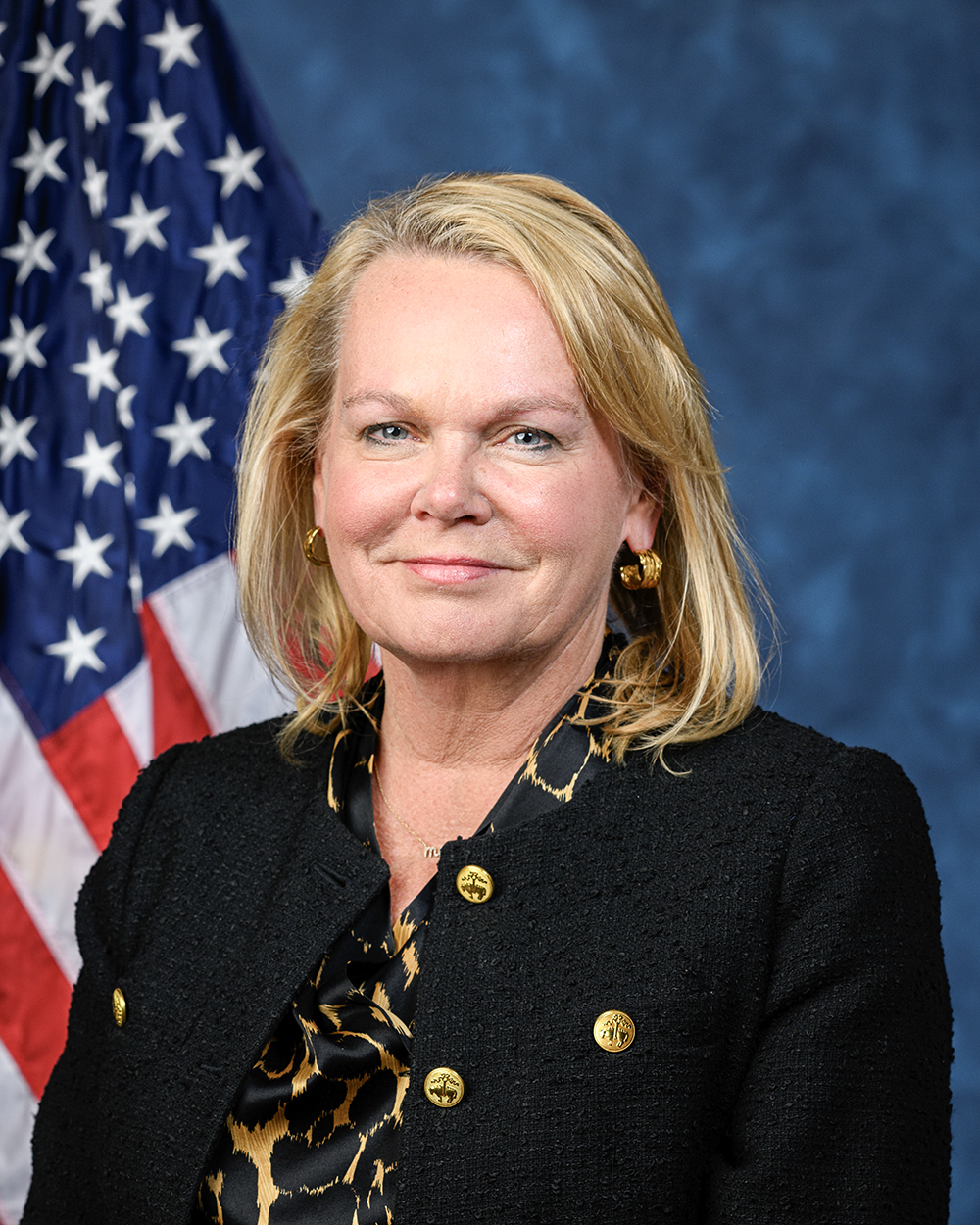
Rep. April McClain Delaney
Sponsored bills
Maddy summaryHR 2555, the Freedom of Association in Higher Education Act of 2025, protects students who join or form single-sex social organizations (like fraternities or sororities) at colleges. It prohibits colleges receiving federal funds from taking negative actions against these students or organizations solely because they limit membership to one sex - such as denying housing, financial aid, leadership roles, or recognition. The bill ensures students can join such groups without coercion and stops colleges from imposing unfair recruitment rules on single-sex organizations compared to others. It does not require colleges to recognize single-sex groups, allow organizations to set their own membership rules, or override Title IX protections.
Maddy summaryThe Advancing Water Research and Collaboration Act of 2025 amends the Water Resources Research Act of 1984 to update research priorities and funding allocations for water resources research institutes. The bill adds artificial intelligence to the list of research areas alongside private industry and increases federal funding authorization to $16 million annually for fiscal years 2026 through 2029. It requires 20 percent of these funds to support research addressing interstate water problems and allows grants for projects focusing on regional or multi-state water issues. The legislation also expands the types of research institutes eligible for funding to include those working on problems identified by Congress as having interstate significance.
Maddy summaryHR 6893, the Chesapeake Bay Watershed Advancement for Training, Education, Restoration, and Science (WATERS) Act, reauthorizes and updates NOAA's Chesapeake Bay Office to better support Bay restoration. It establishes new programs including a watershed education initiative for students and teachers, a coastal habitat management program focused on species like oysters and blue crabs, and requirements for coordinated scientific monitoring of water quality and living resources. The bill mandates the Office Director to consult with the Chesapeake Executive Council, ensure peer-reviewed scientific merit for funded projects, and submit biennial reports to Congress on progress. This directly affects NOAA, Bay watershed states, educators, researchers, and conservation groups working on Bay restoration under the Chesapeake Bay Program.
National Law Enforcement Officers Remembrance, Support and Community Outreach Act. [ sic ] This bill temporarily directs the Department of the Interior to award a grant to the National Law Enforcement Officers Memorial Fund for the expenses associated with operating and enhancing the community outreach, public education, and officer safety and wellness programs of the National Law Enforcement Museum.
Maddy summaryHR 10055 prohibits the renaming or redesignation of federal buildings and properties unless explicitly authorized by a new law passed by Congress, effectively removing executive branch authority to change names previously established by statute. The bill directly affects politically appointed federal officers and employees, who face criminal penalties including fines and imprisonment for willfully displaying incorrect names or renaming property without statutory approval. These enforcement provisions apply specifically to officials in positions requiring Senate confirmation and take effect on January 1, 2027.
Maddy summaryThis bill renames a U.S. Postal Service facility in Olney, Maryland (located at 3570 Olney Laytonsville Road) as the "Edward L. Ramsey Olney Post Office Building." It directly affects the postal facility and all official U.S. government references to it, requiring future documents, maps, and laws to use the new name. The bill has no policy provisions - its sole purpose is to honor Edward L. Ramsey through this naming designation.
Maddy summaryThis bill, titled the No TSA Data for ICE Act, prohibits the Transportation Security Administration from sharing passenger data with U.S. Customs and Border Protection or U.S. Immigration and Customs Enforcement. It specifically bars these agencies from using TSA information or data from private brokers to perform immigration enforcement functions. Additionally, the legislation prevents the denial, suspension, or early termination of Trusted Traveler programs like PreCheck and Global Entry if an individual's participation in First Amendment-protected activities is the reason. The law defines the restricted data as personally identifiable information about flight passengers obtained from the TSA or private sector entities.
Maddy summaryThe Understanding AI in the Classroom Act directs the National Science Foundation to hold workshops within 18 months of enactment to study how artificial intelligence impacts children's learning, development, and trust in technology. These workshops will involve researchers, educators, school leaders, and parent groups to examine specific concerns such as attention spans, emotional growth, and potential biases affecting different age groups. Following the workshops, the National Science Foundation must produce a public report detailing any identified gaps in current knowledge about AI's effects on students. This legislation focuses on gathering data and understanding risks rather than immediately restricting or mandating the use of AI in schools.