

Maddy summaryThis House resolution marks the 25th anniversary of the September 11, 2001 terrorist attacks by formally honoring the memory of the nearly 3,000 victims and recognizing the sacrifices made by first responders, military personnel, and the passengers of United Airlines Flight 93. The bill acknowledges the ongoing health challenges faced by survivors and responders, highlighting the role of the World Trade Center Health Program in providing long-term medical support. It also credits charitable organizations and community groups that have continued to assist victims' families and veterans over the past two decades. Finally, the resolution urges the American public to observe the anniversary with ceremonies and reaffirms Congress's commitment to remembering the events and lessons of that day.
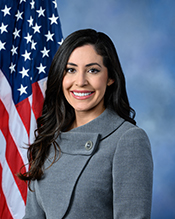
Rep. Anna Paulina Luna
Sponsored bills
Maddy summaryHR 10211 seeks to convert Executive Order 14418 into permanent federal law, thereby extending its protections regarding the meaning and value of American citizenship beyond the scope of a single administration's executive action. The bill directly affects individuals holding or seeking U.S. citizenship by establishing the specific policies outlined in the original order as binding statutory requirements. This legislative move ensures that the provisions related to preserving the integrity of citizenship remain in effect regardless of future changes in presidential leadership.
Maddy summaryH.Res. 1497 is a House resolution that commemorates the fifth anniversary of the Abbey Gate bombing, in which 13 U.S. servicemembers were killed during the withdrawal from Afghanistan. The bill lists the names of the fallen soldiers and formally condemns the Biden-Harris administration for what it describes as dereliction of duty and the forfeiture of military property to the Taliban. It asserts that the withdrawal was a disastrous failure that ignored security warnings and left Americans at risk, while also criticizing the lack of accountability from officials involved in the decision-making process.
Maddy summaryThe Foreign Propaganda Disclosure Act amends the Foreign Agents Registration Act to explicitly include social media influencers in its regulatory scope. The bill defines a social media influencer as any individual who maintains a monetized account on a social media platform, using an existing definition from the Trafficking Victims Prevention and Protection Reauthorization Act of 2022. By making this addition, the legislation requires these specific digital content creators to comply with the same registration and disclosure obligations currently applied to other foreign agents.
Maddy summaryHR 7008, the Stop Insider Trading Act, restricts Members of Congress, their spouses, and dependent children from purchasing certain investments like stocks in publicly traded companies. It requires 7-14 days' advance public notice before selling any such investment, including the sale date, description, and number of shares. Exceptions apply for work-related transactions (e.g., employer compensation) and reinvesting dividends. Violations trigger a fee of $2,000 or 10% of the investment’s value (whichever is greater), plus any net gain, paid from personal funds - not congressional allowances or campaign donations. The bill aims to prevent conflicts of interest by increasing transparency around congressional financial dealings.
Maddy summaryThis resolution expresses support for designating February as Serbian American Heritage Month to honor the history and contributions of the Serbian American community. It recognizes that approximately one million Americans of Serbian ancestry have served in various fields, including the military, science, business, and the arts, while highlighting specific historical events like Operation Halyard. The measure urges the public to observe this month with ceremonies and educational programs that celebrate Serbian heritage and the enduring friendship between the United States and Serbia.
Maddy summaryThe FASTER Act of 2026 expands the list of major food allergens regulated by the FDA to include barley, rye, and oats alongside wheat. This change requires food manufacturers to clearly label these gluten-containing grains, helping consumers with allergies and Celiac disease identify potential triggers. The law also mandates that the FDA update its compliance guides within a year to reflect these new allergen categories. Additionally, the bill directs the Department of Health and Human Services to produce a comprehensive report on Celiac disease, covering data on prevalence, diagnostic methods, prevention strategies, and potential treatments. These provisions apply to all foods entering the market starting one year after the law is enacted.
Maddy summaryThis bill, known as the No Campaign Funded Cover-Ups Act, restricts how candidates and federal officials can use campaign money or legal expense funds when facing accusations of sexual assault, abuse, or harassment. Under the new rules, these funds cannot pay for legal fees, settlements, court judgments, or private investigations aimed at discrediting the accuser. The legislation also requires detailed reporting of any legal expenses paid from these sources and applies retroactively to payments made in the two years before the law takes effect.
Maddy summaryThis resolution directs the House Committee on Ethics to make specific final reports public within 14 days of its adoption. The reports in question cover investigations into alleged violations of conduct rules by members of the House that were completed during the 119th Congress. By mandating the release of findings, recommendations, and proposed disciplinary actions, the bill ensures these documents are accessible to the public rather than remaining internal.
Maddy summaryThis bill, known as the Ban Birth Tourism Act of 2026, aims to prevent non-immigrants from entering the United States specifically to give birth and secure citizenship for their children. It directly affects foreign nationals who plan to visit the U.S. with the primary goal of having a child there to obtain a U.S. passport. Under the new rules, immigration officials can deny entry to anyone suspected of engaging in birth tourism or deport those who have already entered for that purpose. The law defines birth tourism as entering the country with the main intent of obtaining citizenship for a child or being likely to give birth within 10 months of arrival to achieve that status. Decisions on whether someone is engaging in birth tourism will be based on the reasonable judgment of government officials such as those at the Department of Homeland Security.