Maddy summaryThis bill establishes a federal program to address the invasive golden mussel, which threatens water infrastructure and ecosystems. It directs the Task Force to develop a demonstration program focused on research, control methods, and early warning systems for infested areas like the Sacramento-San Joaquin Delta, with a $15 million annual funding authorization from 2026-2030. Key provisions include grants for developing technologies to remove mussels from water intakes, pipelines, and boat hulls, plus guidelines for watercraft inspections to prevent spread. The program requires collaboration with states, ports, and research institutions to share control strategies and coordinate efforts.

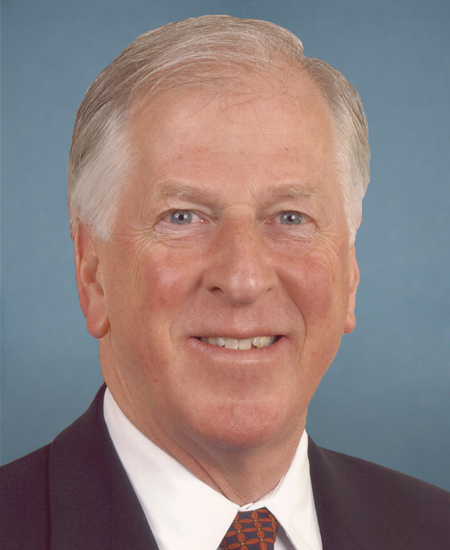
Rep. Mike Thompson
Sponsored bills
Maddy summaryThe Rooting Out Mislabeled Agriculture Act directs the Department of Agriculture to create and maintain a database of isotopic signatures for processing tomatoes, modeled after an existing system used to detect cotton grown with forced labor in China. This scientific fingerprinting technique analyzes specific ratios of elements like hydrogen and carbon to identify the geographic origin of tomato products sold as paste or mixed into other foods. The bill requires the agency to conduct research on improving these testing methods and coordinate with U.S. Customs and Border Protection to apply the data during import inspections. Additionally, the Secretary of Agriculture must submit a report to Congress within two years detailing the database's establishment, research results, and recommendations for further action.
Maddy summaryThis bill amends the Fair Labor Standards Act to clarify that direct sellers and qualified real estate agents (as defined under IRS rules) are not considered "employees" under federal labor law. It directly affects these workers by excluding them from FLSA protections like minimum wage and overtime pay. The key provision inserts a new definition into the law, changing how these professions are classified for labor rights purposes. This is a technical definitional change, not a new policy or program.
Maddy summaryThis bill modifies tax rules to provide relief for individuals affected by major disasters. It allows taxpayers to deduct disaster-related losses (like damaged homes or personal property) more easily by creating a new "disaster loss deduction" that combines certain casualty losses and adjusts for income limits. It also excludes wildfire relief payments (such as compensation for lost wages or home damage not covered by insurance) from taxable income for people in federally declared wildfire areas, effective 2026 through 2030. These changes apply to losses incurred in taxable years starting after 2024, specifically for disasters declared between 2025 and 2027.
Maddy summaryHR 6152, the Foreign Robocall Elimination Act, establishes an interagency task force to address foreign robocalls entering the United States. The task force, composed of the FCC, FTC, DOJ, and private sector representatives, will study the origins, impacts, and potential solutions to foreign robocalls and must submit a report to Congress within 360 days. The bill also modifies existing law to require FCC notices about robocall mitigation every three years instead of annually, and introduces a bond requirement for providers using the Robocall Mitigation Database. This legislation affects telecommunications providers, federal agencies, and all U.S. telephone users who receive unwanted calls. The bill aims to improve coordination between U.S. agencies and foreign countries in combating illegal robocalls through concrete policy changes.
Maddy summaryHR 5967 establishes a federal task force led by the FTC and DOJ to combat scams. The task force, including agencies like the FBI, SEC, and Social Security Administration, will develop a national strategy using existing tools such as the Consumer Sentinel Network and Internet Crime Complaint Center. Key actions include public education, coordination with industry (like banks and social media platforms), and enforcement using current laws against fraud and money laundering. The task force must report to Congress within one year and dissolve after 10 years.
This bill designates the facility of the United States Postal Service located at 15642 Sand Canyon Avenue in Irvine, California, as the "Mary Kageyama Nomura Post Office Building".
Maddy summaryThis bill, known as the Presidential Tax Accountability and Audit Integrity Act, prevents the President and their close family members or related business associates from entering into agreements that waive or release federal tax debts while the President is in office. It stops the IRS from honoring any such waivers or orders made during the President's term and requires the agency to publicly report the identities of any taxpayers affected by these instruments within seven days. Additionally, the law ensures that the standard time limits for the government to collect unpaid taxes or sue for collection do not expire until at least three years after the President leaves office. These measures aim to increase transparency and maintain the integrity of the tax system by restricting special treatment for the highest office holder and their connections.
Maddy summaryThe Protect American Values Act prohibits the use of federal funds to implement, administer, or enforce a specific Department of Homeland Security rule regarding the "Public Charge" ground of inadmissibility. This legislation directly affects immigrants and mixed-status families by preventing the government from using public benefits as a factor in determining eligibility for lawful permanent resident status. The bill includes a statement of congressional intent arguing that the targeted rule would restrict access to essential services like food, medical care, and housing, while also negatively impacting state and local economies. By cutting off funding for this specific policy, the act aims to maintain current immigration standards and prevent what Congress describes as an unauthorized reversal of long-standing law.
This bill designates the facility of the United States Postal Service located at 6444 San Fernando Road in Glendale, California, as the "Paul Ignatius Post Office".