S 2666 United States Senate · 119th Congress

Foreign Robocall Elimination Act

The Foreign Robocall Elimination Act establishes a taskforce to address unlawful robocalls made into the United States from foreign countries. The taskforce, composed of government agency representatives and private sector experts from telecommunications and related industries, must produce a report within 360 days detailing the scale of foreign-originating robocalls, their financial impact, and solutions like improved caller ID authentication technology and international cooperation. The report will specifically study call origins, identity theft losses, enforcement strategies, and incentives for foreign countries to collaborate on combating these calls. This bill directly affects federal agencies (including the FCC, FTC, and Department of Justice) and the telecommunications industry by mandating a collaborative effort to develop actionable recommendations for Congress.
Bill status passed 3 of 5 stages cleared
Introduction
Aug 2025
Committee Review
Jun 2026
Senate Passage
Aug 2026
House Passage
President
Introduced Aug 1, 2025 Last action Aug 10, 2026
Maddy AI version diff · 1 comparison

What changed between versions

Introduced in Senate Engrossed in Senate · 6 edits · Aug 3, 2026
MODERATE
The Senate engrossed version of S 2666 makes several substantive changes to robocall prevention legislation: it lowers the threshold for triggering a vote on taskforce appointments, adds legal immunity for a registered consortium that shares trace back information about unlawful robocalls, authorizes publication of a list of non-compliant voice service providers, and requires the FCC to implement a bond requirement (up to $100,000) for providers certifying into the Robocall Mitigation Database. These changes strengthen enforcement tools against international robocallers while creating new accountability mechanisms for telecom providers.
REQUIREMENT

The threshold for triggering a vote on taskforce appointments was lowered from 'not fewer than 2 commissioners' to just 'a commissioner' (one), and the exception that suspended the vote requirement during vacancies lasting more than 180 days was removed. This makes it easier for individual commissioners to challenge appointments.

A new section requires the FCC to issue rules requiring providers to post a bond of up to $100,000 before filing a certification to the Robocall Mitigation Database, if the FCC determines it is necessary to preserve the database's integrity. Providers may be exempted if they are registered with the FCC and contribute to the universal service fund, hold state public utility authorization, are listed on a national securities exchange, or otherwise demonstrate they are bona fide established providers.

ENFORCEMENT

A new section grants the registered consortium immunity from lawsuits for receiving, sharing, or publishing 'covered information' about suspected unlawful robocalls, including call detail records, provider names, and entity contact information. This protects the consortium from legal challenges when it shares trace back findings.

The FCC (or the consortium in consultation with the FCC) may now publish a list of voice service providers that refuse to participate in private-led trace back efforts or that originate or transmit substantial amounts of unlawful robocalls. The FCC may also take enforcement action based on that information.

TIMELINE

The FCC notice provision under section 13(d)(2) of the TRACED Act was changed from requiring annual notices to notices once every 3 years, reducing the reporting frequency.

SCOPE

The taskforce report requirements were expanded with two new items: (P) an evaluation of whether periodic public disclosure of trace back results would impact the integrity and effectiveness of the trace back process, considering eight specific factors including revealing investigative methods, exposing proprietary information, enabling robocallers to adapt tactics, and improving blocking efforts; and (Q) an examination of mechanisms for improving compliance with TRACED Act sections 6 and 7.

Floor votes

How they voted

This bill passed the Senate by voice vote (no roll call recorded).
Full legislative history

Actions timeline

Total actions
10
Key actions
4
Committee
3
Aug 3, 2026
Upper · Passed
Passed Senate with an amendment by Unanimous Consent. (consideration: CR S4412-4414; text: CR S4412-4414)
upper
Aug 3, 2026
Upper · Passed
Passed/agreed to in Senate: Passed Senate with an amendment by Unanimous Consent.
upper
Jun 1, 2026
Upper · Passed
Committee on Commerce, Science, and Transportation. Reported by Senator Cruz with an amendment in the nature of a substitute. With written report No. 119-122.
upper
Oct 21, 2025
Upper · Passed
Committee on Commerce, Science, and Transportation. Ordered to be reported with an amendment in the nature of a substitute favorably.
upper
Aug 1, 2025
Committee
Read twice and referred to the Committee on Commerce, Science, and Transportation.
upper
Aug 1, 2025
Introduced
Introduced in Senate
upper
1 primary · 3 co-sponsors

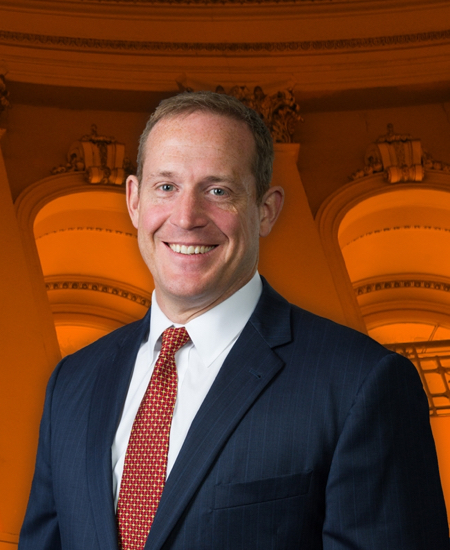
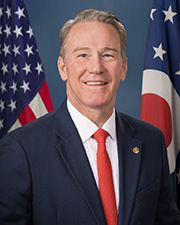
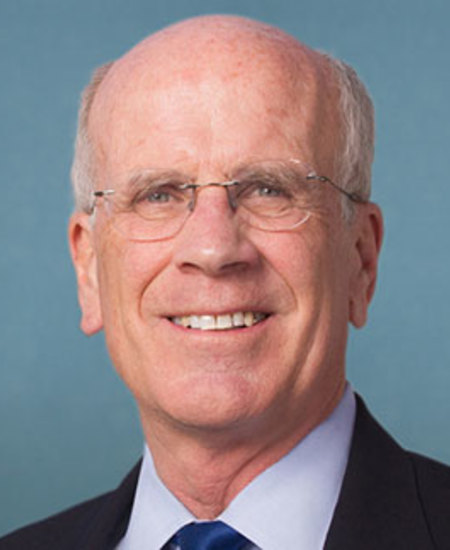
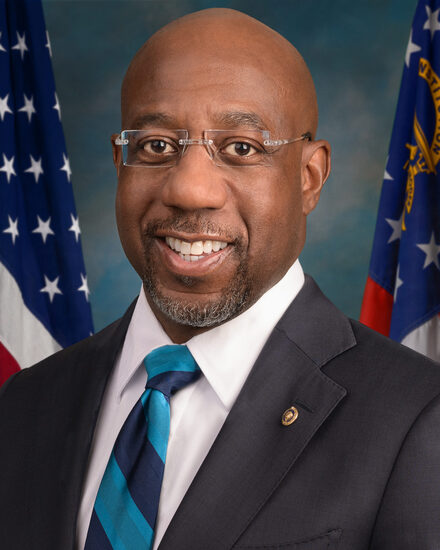
Sponsors