ROTOR Act
What changed between versions
The 'sensitive government mission' exception to ADS-B Out is now narrowly construed and explicitly excludes routine flights, non-classified flights, proficiency flights, and flights of Federal officials below Cabinet Member rank or the Chairman of the Joint Chiefs of Staff. Previously the bill only excluded proficiency evaluations and training missions in Class B/C airspace unless for a national security event.
The ADS-B In requirement was dramatically expanded. Previously it applied only to newly manufactured aircraft and existing aircraft in designated airspace. Now it applies to ALL affected aircraft (any aircraft required to have ADS-B Out), with a compliance deadline of December 31, 2031, and an effective date no later than 60 days after the final rule is published.
A new section requires the FAA to establish an Office of FAA-DOD Coordination within 30 days, conduct a safety review of DCA operations within 120 days, and then conduct safety reviews at other Class B, C, and D airports using specific risk criteria (radar presence, TCAS rates, helicopter corridors, VFR density, etc.). Reviews must be initiated in phases: Class B within 90 days, Class C within 90 days after that, Class D within 90 days after that.
The repeal provision changed from repealing section 1046 of the 2019 NDAA (which dealt with ADS-B on certain DoD aircraft) to repealing Section 373(a) of the National Defense Authorization Act for Fiscal Year 2026 and restoring Chapter 157 of title 10, U.S.C. as if those amendments had not been enacted.
New notification requirements: operating agencies must notify Air Traffic Control when conducting sensitive government missions without ADS-B Out, and must provide monthly reports to four congressional committees (Commerce/Transportation and Armed Services in both chambers) about each sensitive government mission in Class B airspace.
The special notification trigger changed from a discretionary standard ('too frequently at the discretion of the Administrator') to an objective threshold: 5 or more exception flights in a calendar month, or failure to provide the required attestation. The Administrator must notify Congress within 14 days.
New performance standards for ADS-B In equipment requiring integrated safety-enhancing capabilities including situational awareness and traffic advisories with visual and aural alerting while airborne and on the airport surface.
New separation standards rulemaking required within 18 months of the ADS-B In effective date to leverage ADS-B Out/In for safety and efficiency benefits throughout the national airspace system, including on airport surfaces and in Class E airspace. Controller training updates required within 1 year after the compliance deadline.
A new ACAS-X (Airborne Collision Avoidance System-X) action plan must be submitted to Congress within 180 days of enactment, including a strategic roadmap, funding needs, stakeholder engagement plans, international harmonization efforts, and interoperability considerations with ADS-B equipment.
New interagency information-sharing requirements: an MOU with the Army within 60 days and MOUs with the Navy, Air Force, and Coast Guard within 90 days to share aviation safety data between the FAA and military departments. Congressional notification required within 7 days of each MOU.
A new GAO review is required within 2 years of enactment to assess whether agencies have used ADS-B Out exceptions in accordance with law, compare utilization before and after revised regulations, and report findings. The FAA must then determine whether non-compliant operators may continue using exceptions and brief Congress within 30 days.
Annual Inspector General audits of FAA oversight over ADS-B Out exception operations begin 3 years after enactment, with specific considerations including whether exceptions are strictly utilized, not routinely used, and identification of non-compliant operators. Annual congressional briefings required.
The 10-year sunset on reporting requirements was removed from the engrossed version, making the quarterly agency reports and biannual FAA reports to Congress ongoing indefinitely.
New provision for low-cost alternative equipment or technology for aircraft under 12,500 pounds maximum certificated takeoff weight operating under Part 91, including portable ADS-B In receivers and electronic flight bag displays. Monthly congressional briefings required on military aircraft alternatives before they are approved.
A negotiated rulemaking committee option was added with specific membership requirements (FAA, air carriers, avionics manufacturers, aircraft manufacturers, general aviation organizations, ATC union, airline pilot unions, safety experts). If no consensus is reached on low-cost alternatives, the FAA may prescribe its own.
Quarterly reports to the FAA now require a list of operations delineated by individual flight (with airport, airspace location, date, time, duration, and mission type) rather than just a summary, and may include a classified annex. The biannual report to Congress now requires a determination on whether each specific operation jeopardizes aviation safety.
A phased-in retrofit process allows operators up to 1 year beyond the December 31, 2031 deadline if they demonstrate progress, the FAA determines additional time is needed to mitigate significant disruption to air transportation, and the operator has no uncorrected violations of Parts 91 Subchapters F and G.
The Army Inspector General audit now includes an interim reporting requirement: briefings to Congress every 180 days until the audit is concluded, in addition to the final public disclosure.
How they voted
Actions timeline
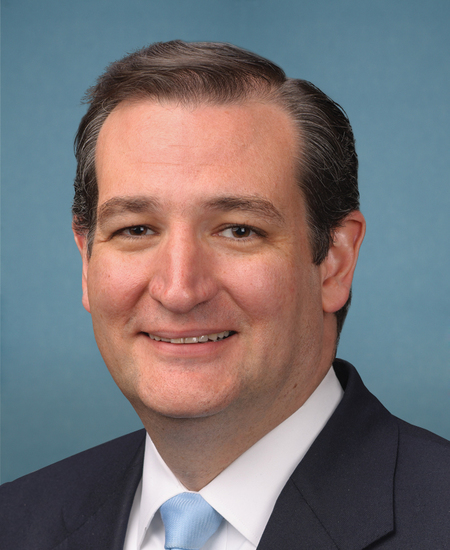
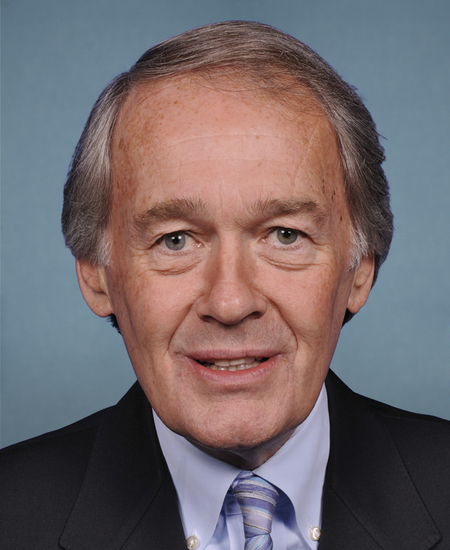
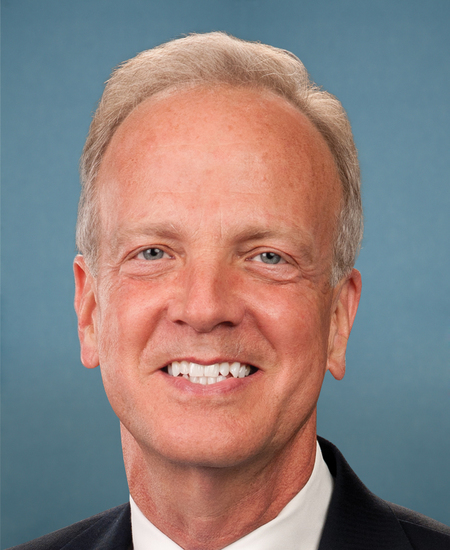
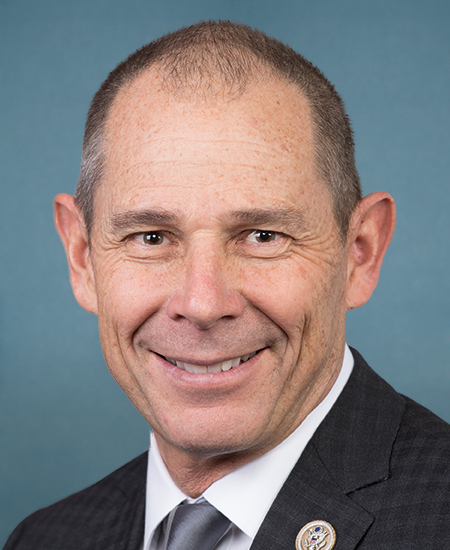
Sponsors