

Holocaust Expropriated Art Recovery Act of 2025
Summary
Holocaust Expropriated Art Recovery Act of 2025 This act permanently extends and expands judicial authority under the Holocaust Expropriated Art Recovery Act of 2016. The law allows and establishes procedures for civil claims and causes of action to recover artwork and other property lost between 1933 and 1945 because of Nazi persecution. Among the changes, the act removes the deadline for filing civil claims or causes of action. Currently, the filing deadline is December 31, 2026. (Claims must still be filed within six years of the claimant's discovery of the property in question.) The act permits courts to exercise jurisdiction over civil claims or causes of action against a foreign state without regard to the nationality or citizenship of the alleged victim. The art or property at issue must still have a connection to the foreign state's commercial activities in the United States. Additionally, the act authorizes nationwide service of process, which allows courts to exercise personal jurisdiction over defendants in any judicial district where they may be found, reside, have an agent, or transact business. Finally, the act limits the defenses that may be asserted against civil claims or causes of action, including by prohibiting defenses based on the passage of time, including equitable defenses such as laches (i.e., unreasonable delays); and discretionary bases for dismissal that are unrelated to the merits of the claim, including international comity (i.e., deference to the laws of other countries). These changes apply to pending and future civil claims or causes of action.
Bill status
signed
all 5 stages cleared
Introduction
May 2025
Committee Review
Nov 2025
Senate Passage
Dec 2025
House Passage
Mar 2026
Signed into Law
Apr 2026
Introduced May 22, 2025
Signed Apr 13, 2026
Maddy AI version diff · 2 comparisons
What changed between versions
Engrossed in Senate
→
Enrolled Bill
·
1 edit
MINOR
This diff reflects the transition of S. 1884 from its engrossed Senate version to the enrolled bill, meaning the House has agreed to the final text and the bill is now ready for presidential signature. No substantive policy changes were made between these two versions; the differences are entirely formatting and structural, including the addition of GPO metadata, formal enactment language, proper quotation marks around inserted statutory text, section numbering conventions, and signature blocks for the Speaker and Vice President.
TECHNICAL
The bill was reformatted from Senate engrossed style to enrolled bill format, adding GPO public domain notice, the formal 'Be it enacted' preamble, section numbering (SEC. 1, SEC. 2, etc.), quotation marks around all inserted statutory language, and signature lines for the Speaker of the House and Vice President.
Floor votes
How they voted
This bill passed the Senate by voice vote (no roll call recorded).
Full legislative history
Actions timeline
Total actions
19
Key actions
6
Committee
3
Apr 13, 2026
Signed into law
Signed by President.
executive
Mar 16, 2026
Lower · Passed
Passed/agreed to in House: On motion to suspend the rules and pass the bill Agreed to by voice vote. (text: CR H2497)
lower
Dec 10, 2025
Upper · Passed
Passed Senate with amendments by Unanimous Consent. (consideration: CR S8628-8629; text: CR S8629)
upper
Dec 10, 2025
Upper · Passed
Passed/agreed to in Senate: Passed Senate with amendments by Unanimous Consent.
upper
Nov 18, 2025
Upper · Passed
Committee on the Judiciary. Reported by Senator Grassley with amendments. Without written report.
upper
Nov 6, 2025
Upper · Passed
Committee on the Judiciary. Ordered to be reported with amendments favorably.
upper
May 22, 2025
Committee
Read twice and referred to the Committee on the Judiciary.
upper
May 22, 2025
Introduced
Introduced in Senate
upper
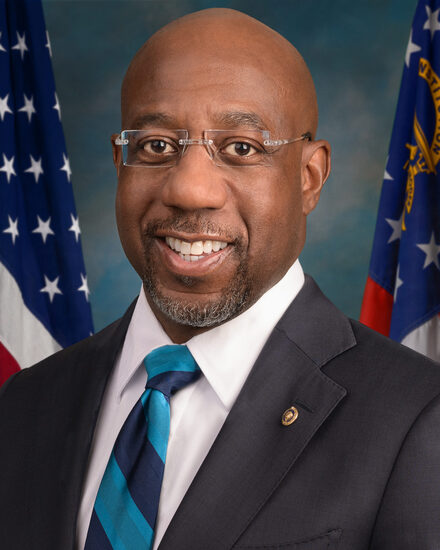
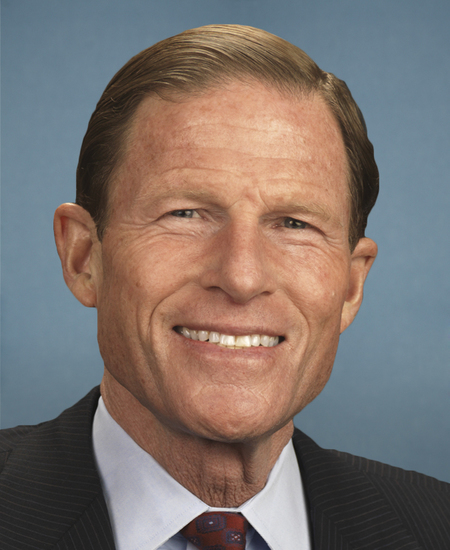
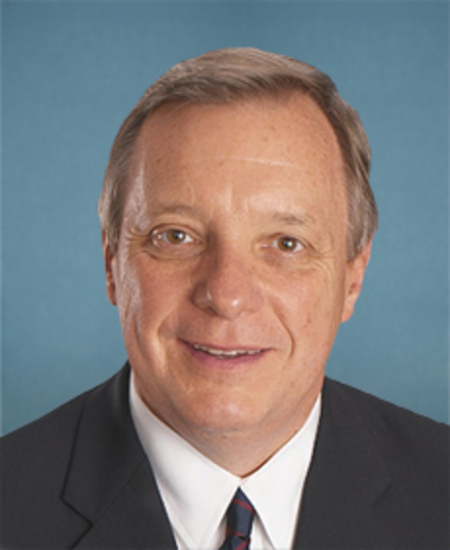
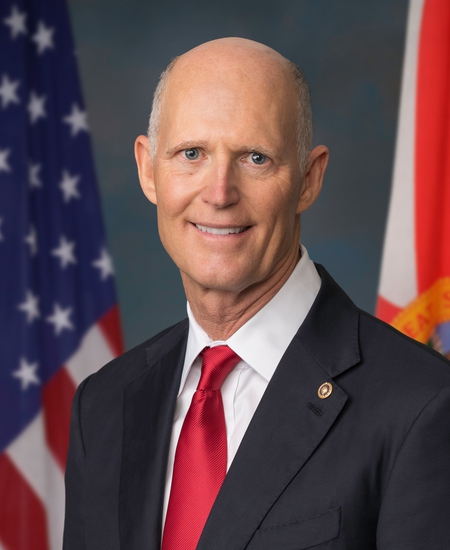
1 primary · 21 co-sponsors
Sponsors
Role
Legislator
Party
State
District
P
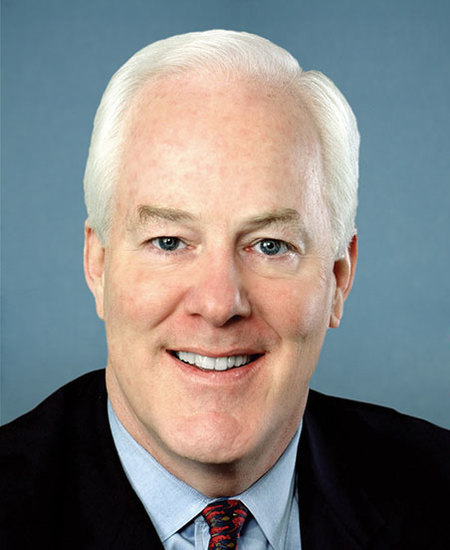
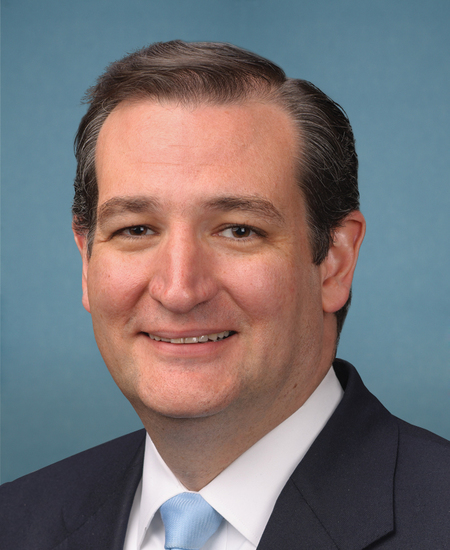
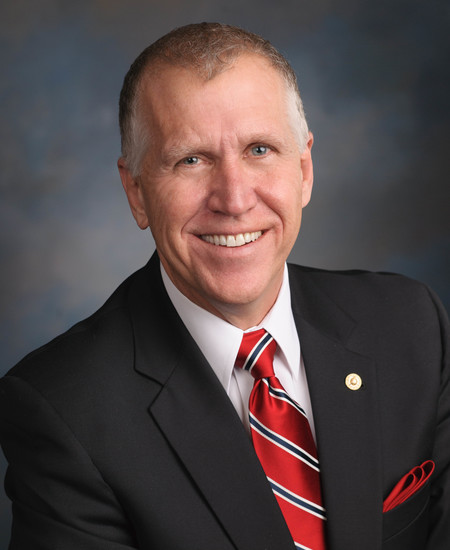
John Cornyn
RRepublican
Co

Adam B. Schiff
DDemocratic
Co
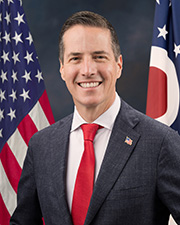
Bernie Moreno
RRepublican
Co
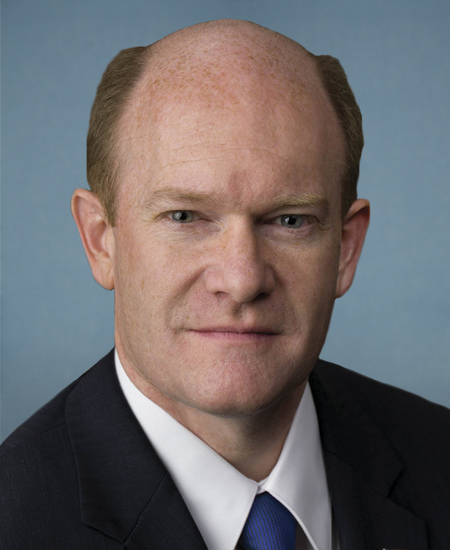
Christopher A. Coons
DDemocratic
Co
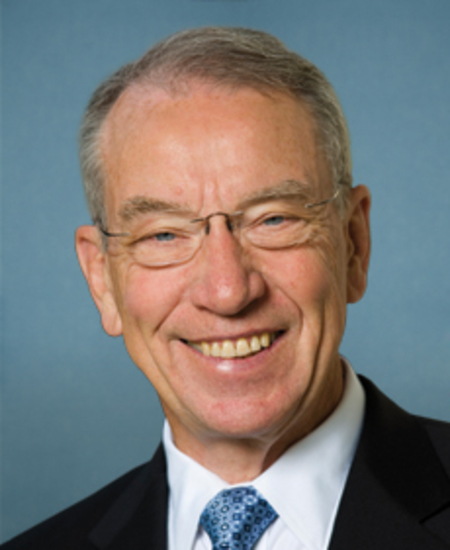
Chuck Grassley
RRepublican
Co
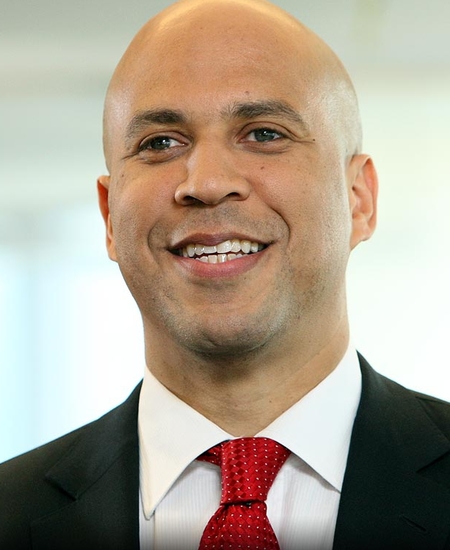
Cory A. Booker
DDemocratic
Co
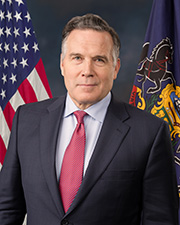
David McCormick
RRepublican
Co
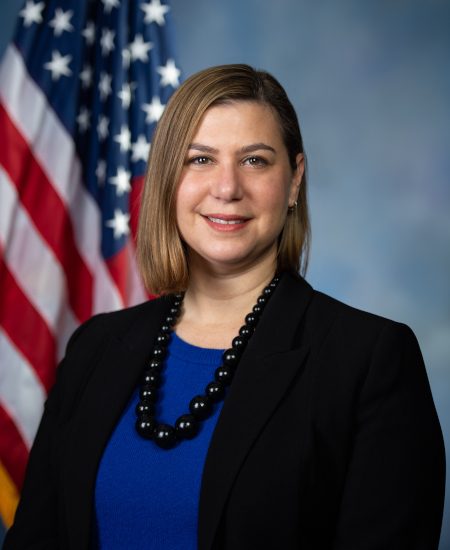
Elissa Slotkin
DDemocratic
Co
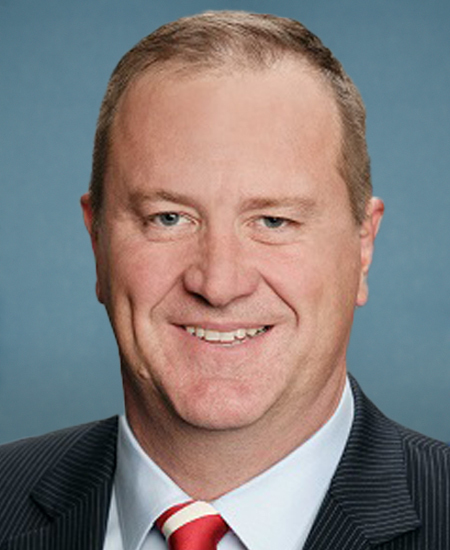
Eric Schmitt
RRepublican
Co

Jacky Rosen
DDemocratic
Co
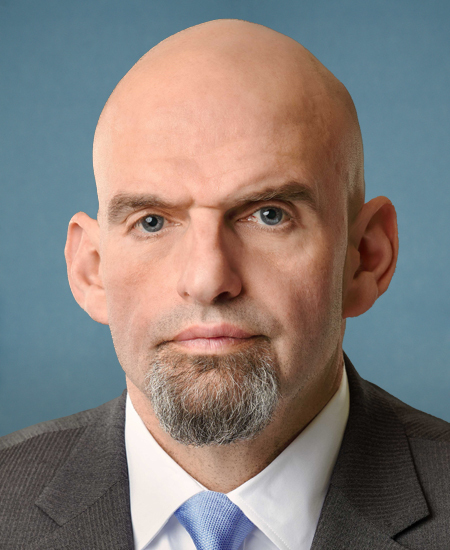
John Fetterman
DDemocratic


Ask Maddy
·
AI policy assistant
Ask Maddy about S 1884
Scope: US
Hi! I can help you understand S 1884. What would you like to know?
Try one of these
i
Maddy answers using official bill text and legislative records. Always verify before sharing.
Sources cited inline