HR 787 United States House · 119th Congress

Plain Language in Contracting Act

HR 787, the Plain Language in Contracting Act, requires federal agencies to write contracting notices for small businesses in clear, concise language that follows existing federal plain language guidelines. It mandates that these notices include key words to help small businesses easily identify and understand opportunities on the government's single point of entry for contracts (as defined in 41 U.S.C. § 1708). The Small Business Administration must issue implementing rules within 90 days of the bill's enactment. This law directly affects small businesses seeking government contracts and federal agencies publishing contracting notices, aiming to make the process more accessible.
Tags: Small Business
Bill status passed 3 of 5 stages cleared
Introduction
Jan 2025
Committee Review
Jun 2025
House Passage
Jun 2025
Senate Passage
President
Introduced Jan 28, 2025 Last action Jun 4, 2025
Maddy AI version diff · 1 comparison

What changed between versions

Introduced in House Engrossed in House · 3 edits · Jun 3, 2025
MINOR
The Engrossed version of HR 787 modifies the plain language requirements for government notices aimed at small businesses, replacing a specific mandate to follow the Plain Writing Act of 2010 guidelines with a broader 'best practices' standard. It also simplifies the funding provision language while maintaining the same no-new-money constraint.
REQUIREMENT

The requirement that covered notices be written consistent with Federal plain language guidelines under the Plain Writing Act of 2010 was removed and replaced with a more general standard: notices must be 'clear, concise, and well-organized' and follow 'other best practices appropriate to the subject or field of the covered notice and the intended audience.' This gives agencies more flexibility in how they meet the accessibility requirement.

TECHNICAL

A comma was added before 'Government-wide point of entry' in section 2(b), a minor grammatical clarification with no substantive policy effect.

FISCAL

The funding provision heading changed from 'Compliance with CUTGO' to 'No additional funds authorized,' and the body text was simplified from 'No additional amounts are authorized to be appropriated to carry out this Act or the amendments made by this Act' to 'No additional funds are authorized to carry out the requirements of this Act.' The substantive constraint (no new appropriations) is unchanged.

Floor votes

How they voted

This bill passed the House by voice vote (no roll call recorded).
Full legislative history

Actions timeline

Total actions
13
Key actions
3
Committee
4
Amendments
3
Jun 4, 2025
Committee
Received in the Senate and Read twice and referred to the Committee on Small Business and Entrepreneurship.
upper
Jun 3, 2025
Introduced
On motion to suspend the rules and pass the bill, as amended Agreed to by voice vote. (text: CR H2395)
lower
Jun 3, 2025
Lower · Passed
Passed/agreed to in House: On motion to suspend the rules and pass the bill, as amended Agreed to by voice vote. (text: CR H2395)
lower
Jun 3, 2025
Introduced
Mr. Williams (TX) moved to suspend the rules and pass the bill, as amended.
lower
Mar 24, 2025
Lower · Passed
Reported (Amended) by the Committee on Small Business. H. Rept. 119-34.
lower
Mar 5, 2025
Introduced
Ordered to be Reported (Amended) by the Yeas and Nays: 25 - 0.
lower
Mar 5, 2025
Lower · Passed
Committee Consideration and Mark-up Session Held
lower
Jan 28, 2025
Committee
Referred to the House Committee on Small Business.
lower
Jan 28, 2025
Introduced
Introduced in House
lower
1 primary · 3 co-sponsors

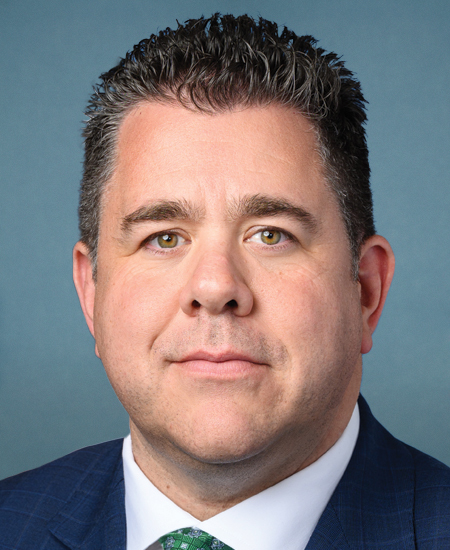
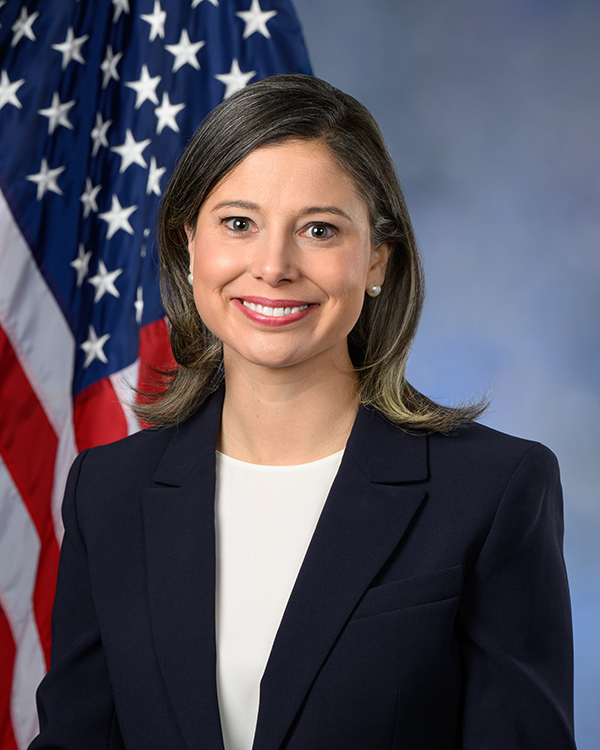
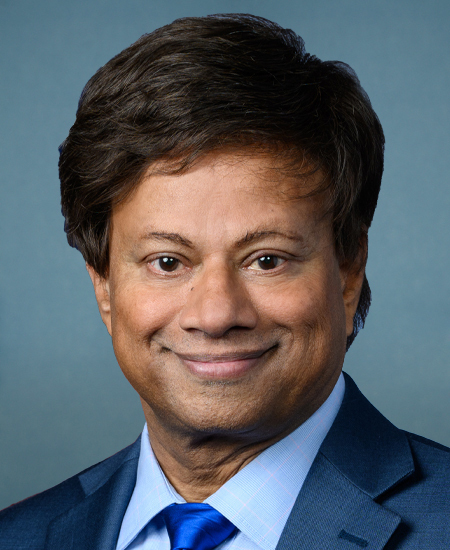
Sponsors