

Kelsey Smith Act
This bill, known as the Kelsey Smith Act, would require telecommunications service providers to share location data with law enforcement or public safety answering points during emergency situations. It directly affects phone and internet service providers, law enforcement officers, and individuals whose location information might be disclosed. The key provision allows officers to request location data without delay if the device was used to contact emergency services in the past 48 hours or if there is reasonable suspicion of an emergency involving risk of death or serious physical harm. The bill also establishes requirements for obtaining consent from subscribers or their next of kin, with a defined priority order for determining next of kin when consent is needed. Additionally, law enforcement agencies must maintain records of these requests, and the bill does not exempt providers from complying with applicable state laws regarding location information disclosure.
Bill status
in committee
1 of 4 stages cleared
Introduction
Mar 2026
Committee Review
Floor Vote
President
Introduced Mar 2, 2026
Last action Mar 2, 2026
Floor votes
How they voted
No floor votes recorded yet.
Full legislative history
Actions timeline
Total actions
2
Key actions
0
Committee
1
Mar 2, 2026
Committee
Referred to the House Committee on the Judiciary.
lower
Mar 2, 2026
Introduced
Introduced in House
lower
1 primary · 3 co-sponsors
Sponsors
Role
Legislator
Party
State
District
P
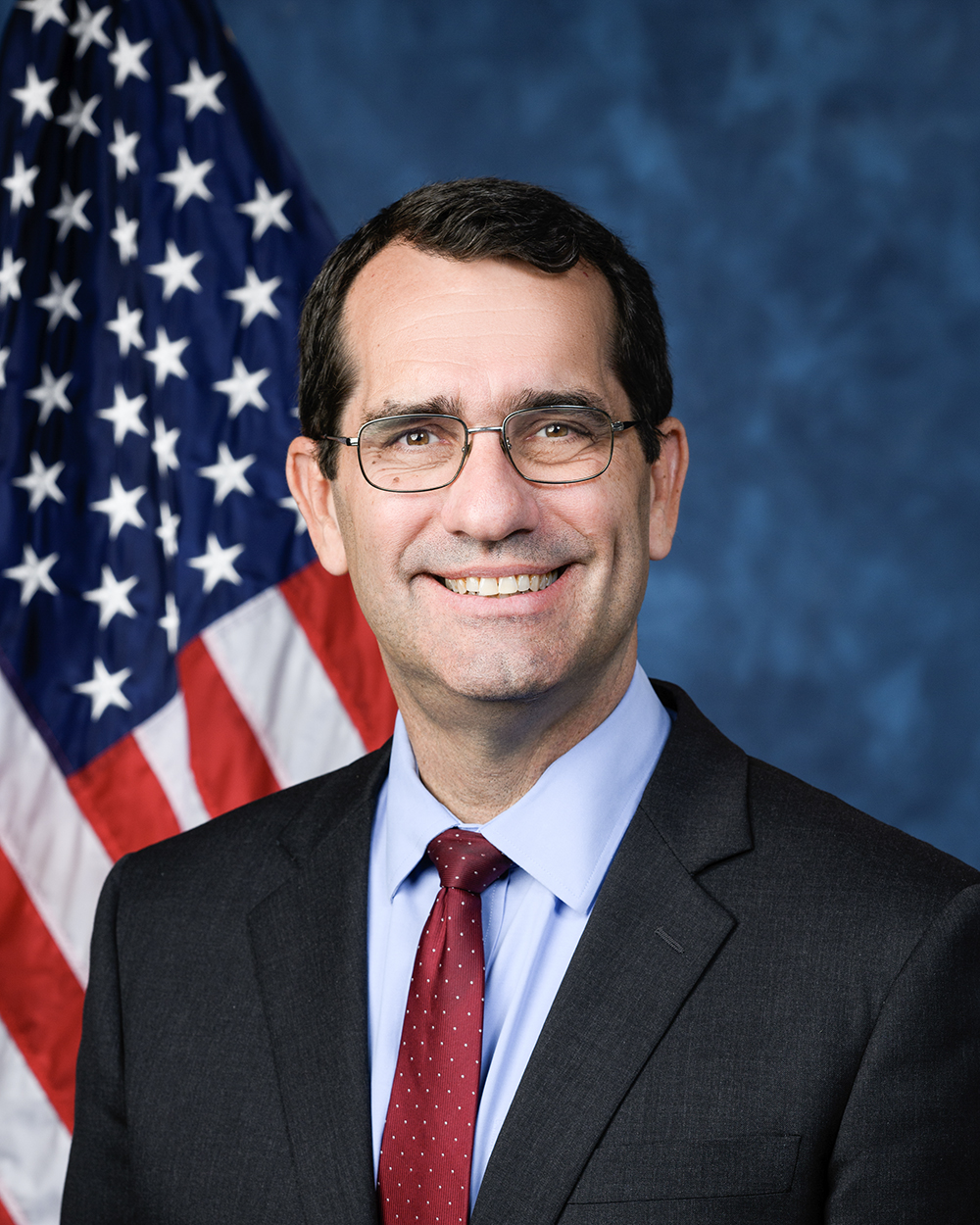
Derek Schmidt
RRepublican
Co
Ron Estes
RRepublican
Co

Sharice Davids
DDemocratic
Co

Tracey Mann
RRepublican
Ask Maddy
·
AI policy assistant
Ask Maddy about HR 7752
Scope: US
Hi! I can help you understand HR 7752. What would you like to know?
Try one of these
i
Maddy answers using official bill text and legislative records. Always verify before sharing.
Sources cited inline