

People’s Response Act
HR 4387, the People's Response Act, establishes a new Division on Community Safety within the Department of Health and Human Services to fund evidence-based, nonpunitive approaches to community safety that reduce reliance on law enforcement and criminal legal systems. The bill creates four grant programs totaling $13.5 billion (2026-2030) to support community-based organizations ($4 billion), local governments ($3.5 billion), states ($3.5 billion), and first responder hiring ($2.5 billion), with specific requirements to prioritize communities disproportionately impacted by the criminal legal system. These grants mandate the use of "qualified approaches to community safety" including crisis intervention, violence prevention, community-led safety planning, and support for survivors of violence, while requiring at least 30% of funds to go to rural areas and staff hired with grant funds to earn at least $17 per hour. The bill requires recipients to submit regular reports on how funds are used and their impact on reducing criminal legal system involvement, with an emphasis on racial equity and community input. It aims to shift resources away from carceral systems toward community-driven safety solutions that address root causes of violence and support marginalized communities.
Bill status
in committee
1 of 4 stages cleared
Introduction
Jul 2025
Committee Review
Floor Vote
President
Introduced Jul 15, 2025
Last action Jul 15, 2025
Floor votes
How they voted
No floor votes recorded yet.
Full legislative history
Actions timeline
Total actions
2
Key actions
0
Committee
1
Jul 15, 2025
Committee
Referred to the Committee on the Judiciary, and in addition to the Committees on Energy and Commerce, Education and Workforce, Transportation and Infrastructure, and Financial Services, for a period to be subsequently determined by the Speaker, in each case for consideration of such provisions as fall within the jurisdiction of the committee concerned.
lower
Jul 15, 2025
Introduced
Introduced in House
lower
1 primary · 10 co-sponsors
Sponsors
Role
Legislator
Party
State
District
P
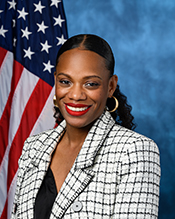
Summer L. Lee
DDemocratic
Co
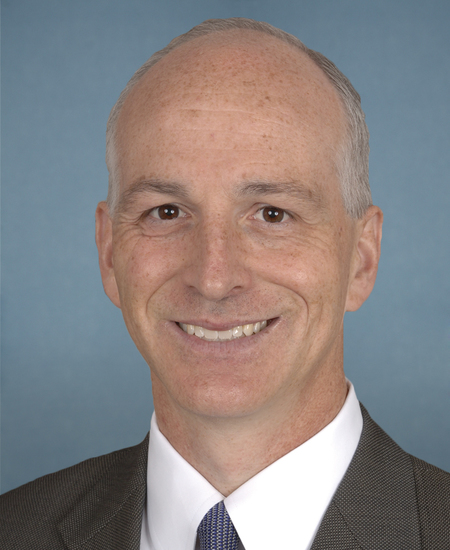
Adam Smith
DDemocratic
Co
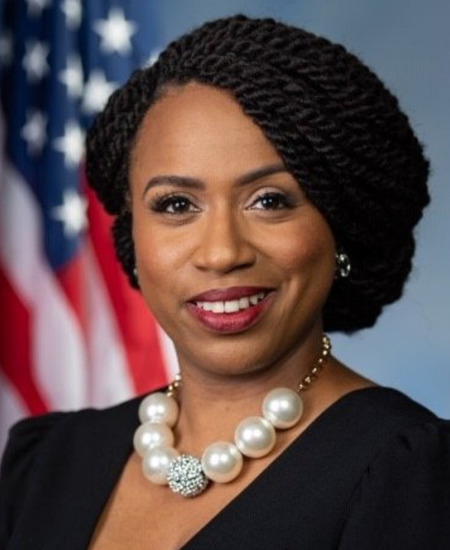
Ayanna Pressley
DDemocratic
Co
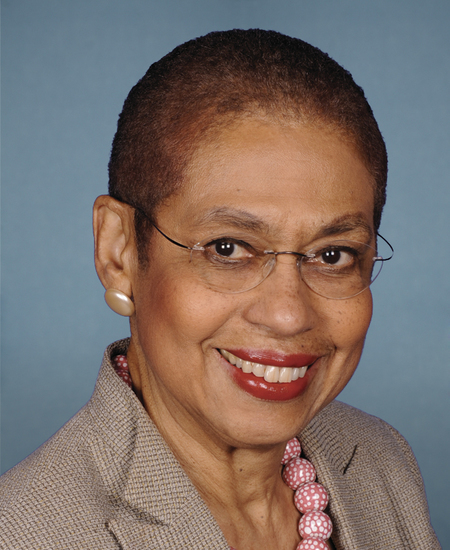
Eleanor Holmes Norton
DDemocratic
Co
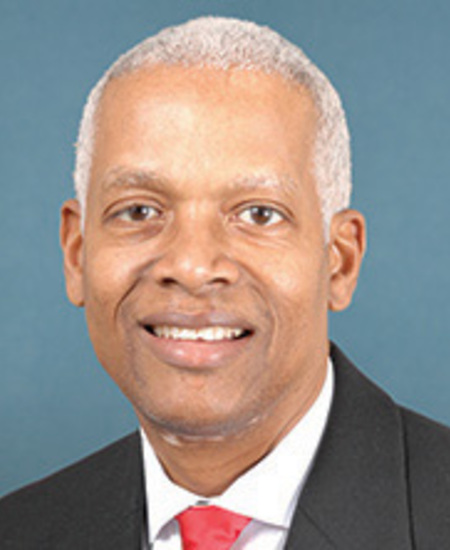
Henry C. "Hank" Johnson, Jr.
DDemocratic
Co

Ilhan Omar
DDemocratic
Co
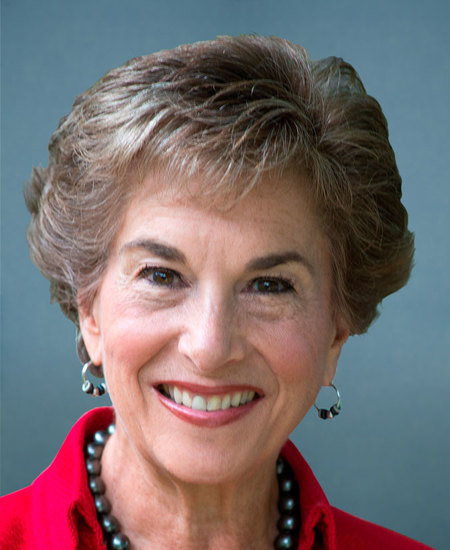
Janice D. Schakowsky
DDemocratic
Co
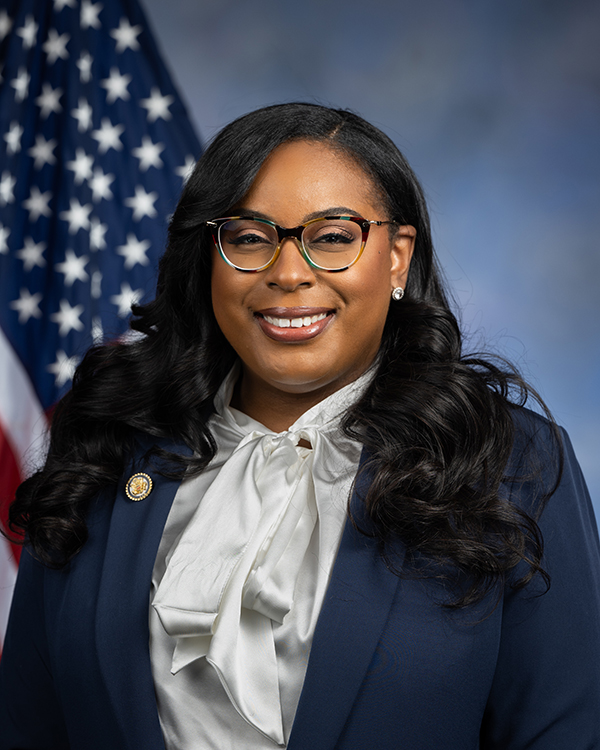
LaMonica McIver
DDemocratic
Co
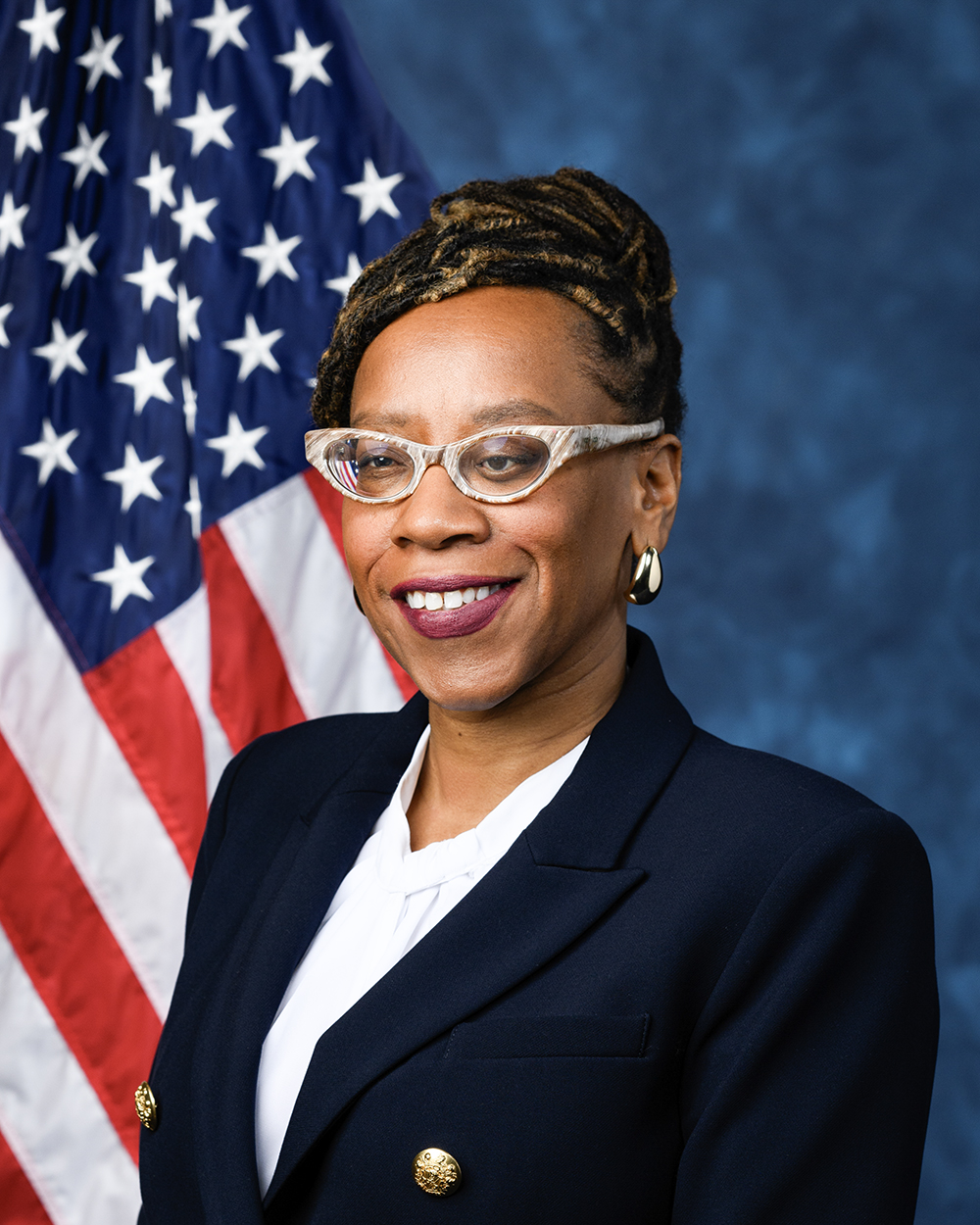
Lateefah Simon
DDemocratic
Co
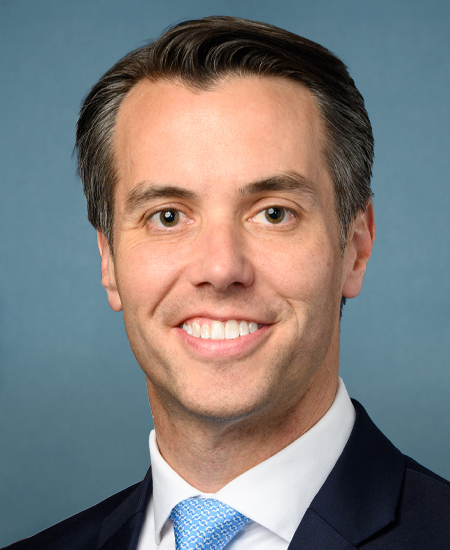
Morgan McGarvey
DDemocratic
Co
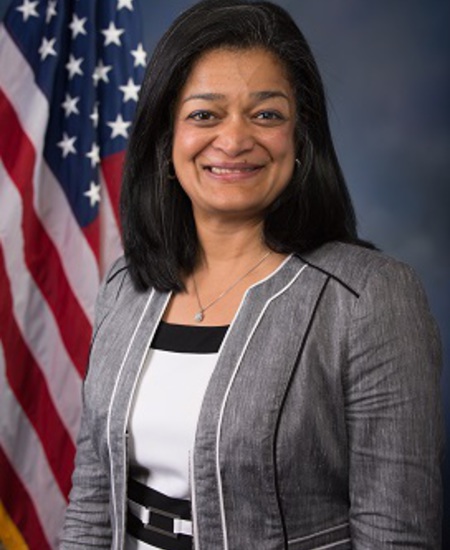
Pramila Jayapal
DDemocratic
Ask Maddy
·
AI policy assistant
Ask Maddy about HR 4387
Scope: US
Hi! I can help you understand HR 4387. What would you like to know?
Try one of these
i
Maddy answers using official bill text and legislative records. Always verify before sharing.
Sources cited inline