

Long-Term Care Workforce Support Act
# Summary of the Long-Term Care Workforce Support Act
This comprehensive legislation establishes a framework to support and improve conditions for the direct care professional workforce (including home health aides, nursing assistants, and similar workers) through multiple key provisions:
1. **Workplace Violence Prevention** - Requires healthcare facilities to develop and implement written workplace violence prevention plans, including risk assessments, training, incident reporting procedures, and anti-retaliation policies. The plan must include specific measures to address different types of workplace violence (Type 1-4).
2. **Paid Sick Time** - Mandates that employers provide direct care professionals with paid sick time (1 hour for every 30 hours worked), with specific uses including:
- Medical care for the employee
- Caring for family members (children, parents, spouse, domestic partner)
- Addressing domestic violence, sexual assault, or stalking
- Public health emergencies (with additional paid sick time provided during declared emergencies)
3. **National Compensation Strategy** - Establishes a National Direct Care Professional Compensation Strategy to:
- Identify ways to provide direct care professionals with livable wages
- Guide State Medicaid agencies in compensating direct care professionals at full labor cost
- Create a National Direct Care Professional Compensation Advisory Council with diverse representation
- Address challenges including part-time work nature, workforce mobility, and inequities related to race, ethnicity, and immigration status
4. **Evaluation Framework** - Requires an evaluation of the Act's implementation and outcomes by an external evaluator with experience in home and community-based services, disability programs, and healthcare workforce programs. The evaluation will assess impacts on:
- Workforce recruitment, retention, and advancement
- Compensation and working conditions
- Burnout and attrition rates
- Access to long-term care services
- Costs to Medicare and Medicaid programs
The legislation aims to improve the quality of care for older individuals and people with disabilities by strengthening the direct care workforce through better compensation, safer working conditions, and improved benefits.
Bill status
in committee
1 of 4 stages cleared
Introduction
Apr 2024
Committee Review
Floor Vote
President
Introduced Apr 15, 2024
Last action Apr 15, 2024
Floor votes
How they voted
No floor votes recorded yet.
Full legislative history
Actions timeline
Total actions
2
Key actions
0
Committee
1
Apr 15, 2024
Committee
Read twice and referred to the Committee on Finance.
upper
Apr 15, 2024
Introduced
Introduced in Senate
upper
1 primary · 25 co-sponsors
Sponsors
Role
Legislator
Party
State
District
P

Robert P. Casey, Jr.
DDemocratic
Co

Amy Klobuchar
DDemocratic
Co

Angus S. King, Jr.
IIndependent
Co

Bernard Sanders
IIndependent
Co

Chris Van Hollen
DDemocratic
Co

Cory A. Booker
DDemocratic
Co
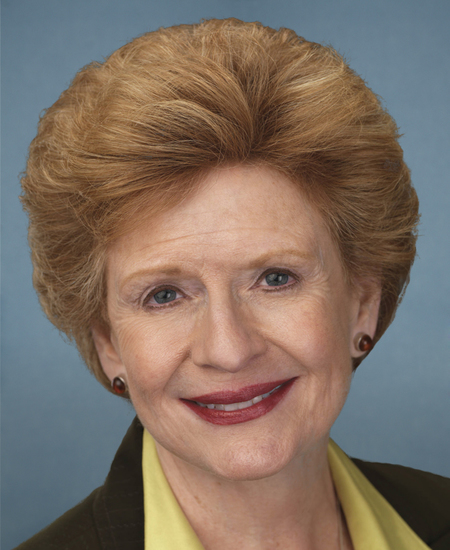
Debbie Stabenow
DDemocratic
Co
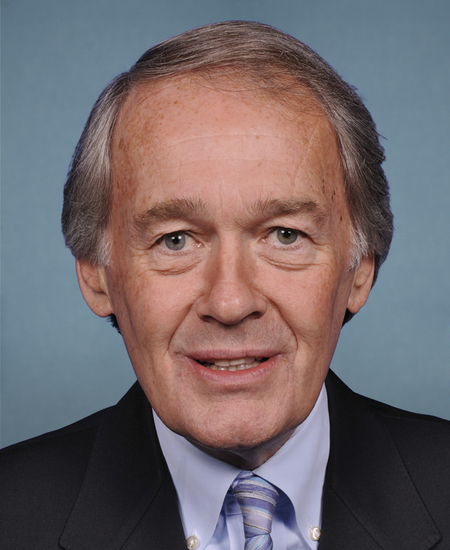
Edward J. Markey
DDemocratic
Co

Elizabeth Warren
DDemocratic
Co

Gary C. Peters
DDemocratic
Co

Jeff Merkley
DDemocratic









Ask Maddy
·
AI policy assistant
Ask Maddy about S 4120
Scope: US
Hi! I can help you understand S 4120. What would you like to know?
Try one of these
i
Maddy answers using official bill text and legislative records. Always verify before sharing.
Sources cited inline