

Long-Term Care Workforce Support Act
# Summary of Long-Term Care Workforce Support Act
This comprehensive legislation aims to improve conditions for the long-term care workforce (referred to as "direct care professionals") through multiple key components:
1. **Workforce Development & Safety**: Establishes workplace violence prevention standards requiring covered employers to develop written violence prevention plans, conduct incident investigations, provide training, and maintain records.
2. **Paid Sick Time Requirements**: Mandates that employers provide direct care professionals with at least 1 hour of paid sick time for every 30 hours worked (up to 56 hours per year), with specific uses including:
- Medical care for the employee
- Caring for family members
- Domestic violence, sexual assault, or stalking situations
- Public health emergencies (with additional paid sick time provided during emergencies)
3. **National Compensation Strategy**: Creates a National Direct Care Professional Compensation Strategy requiring the Secretary of Health and Human Services to develop and update a strategy for providing direct care professionals with livable wages, including recommendations on:
- Calculating fair labor costs
- Medicaid and public payer policies for compensation
- Setting clear employer expectations for compensation
- Tying training/certification to increased compensation
4. **Advisory Council**: Establishes a National Direct Care Professional Compensation Advisory Council with diverse representation to advise on compensation strategies.
5. **Evaluation & Accountability**: Requires evaluation of the legislation's implementation and outcomes, tracking spending by states, and analyzing impacts on workforce retention, compensation, working conditions, and service delivery.
The legislation addresses multiple challenges in the direct care workforce, including low pay, high turnover, workplace violence, and lack of benefits, with the goal of improving both worker conditions and the quality of care for individuals receiving long-term services.
Bill status
in committee
1 of 4 stages cleared
Introduction
Apr 2024
Committee Review
Floor Vote
President
Introduced Apr 15, 2024
Last action Dec 17, 2024
Floor votes
How they voted
No floor votes recorded yet.
Full legislative history
Actions timeline
Total actions
5
Key actions
0
Committee
4
Dec 17, 2024
Committee
Referred to the Subcommittee on Health.
lower
Dec 17, 2024
Committee
Referred to the Subcommittee on Work and Welfare.
lower
Apr 19, 2024
Committee
Referred to the Subcommittee on Health.
lower
Apr 15, 2024
Committee
Referred to the Committee on Energy and Commerce, and in addition to the Committees on Education and the Workforce, Ways and Means, the Judiciary, House Administration, and Oversight and Accountability, for a period to be subsequently determined by the Speaker, in each case for consideration of such provisions as fall within the jurisdiction of the committee concerned.
lower
Apr 15, 2024
Introduced
Introduced in House
lower
1 primary · 2 co-sponsors
Sponsors
Role
Legislator
Party
State
District
P
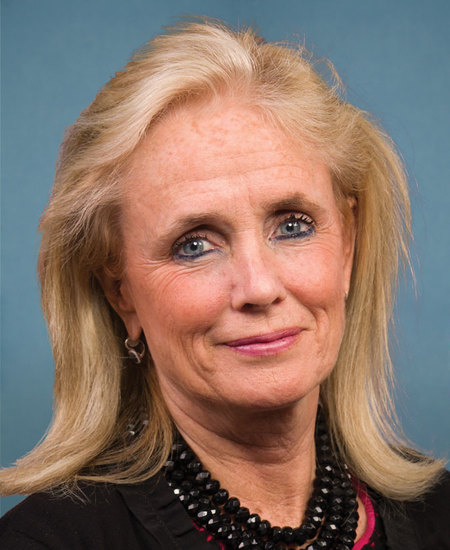
Debbie Dingell
DDemocratic
Co

Eleanor Holmes Norton
DDemocratic
Co

Robert Garcia
DDemocratic
Ask Maddy
·
AI policy assistant
Ask Maddy about HR 7994
Scope: US
Hi! I can help you understand HR 7994. What would you like to know?
Try one of these
i
Maddy answers using official bill text and legislative records. Always verify before sharing.
Sources cited inline