

Artificial Intelligence Environmental Impacts Act of 2024
HR 7197, the Artificial Intelligence Environmental Impacts Act of 2024, requires the Environmental Protection Agency (EPA) to conduct a comprehensive study on AI's environmental footprint - including energy use, water consumption, e-waste, and pollution across AI models' full lifecycle - and to solicit public input. It establishes a voluntary reporting system for AI companies (voluntary reporting entities) to share data on their environmental impacts, supported by guidelines developed with a stakeholder consortium focused on creating measurement standards. The bill mandates a 4-year report to Congress detailing the consortium’s findings, the reporting system’s design, and recommendations for future action to address negative impacts or promote positive ones. This legislation does not impose mandatory regulations but aims to build data and standards for informed decision-making about AI’s environmental effects.
Bill status
in committee
1 of 4 stages cleared
Introduction
Feb 2024
Committee Review
Floor Vote
President
Introduced Feb 1, 2024
Last action Feb 2, 2024
Floor votes
How they voted
No floor votes recorded yet.
Full legislative history
Actions timeline
Total actions
3
Key actions
0
Committee
2
Feb 2, 2024
Committee
Referred to the Subcommittee on Environment, Manufacturing, and Critical Materials.
lower
Feb 1, 2024
Committee
Referred to the Committee on Science, Space, and Technology, and in addition to the Committee on Energy and Commerce, for a period to be subsequently determined by the Speaker, in each case for consideration of such provisions as fall within the jurisdiction of the committee concerned.
lower
Feb 1, 2024
Introduced
Introduced in House
lower
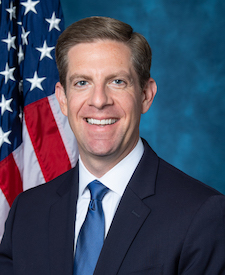
1 primary · 4 co-sponsors
Sponsors




Ask Maddy
·
AI policy assistant
Ask Maddy about HR 7197
Scope: US
Hi! I can help you understand HR 7197. What would you like to know?
Try one of these
i
Maddy answers using official bill text and legislative records. Always verify before sharing.
Sources cited inline