

Government Surveillance Reform Act of 2023
# Summary of the Government Surveillance Reform Act of 2023
This comprehensive legislative proposal aims to reform government surveillance practices in the United States with a strong emphasis on privacy protections, judicial oversight, and government transparency. The key components include:
1. **Cell Site Simulator Restrictions**:
- Comprehensive ban on cell-site simulators (stingrays) except under specific circumstances requiring warrants
- Requires judicial approval for most uses, with strict limitations on scope, duration, and minimization of incidental collection
- Mandates disclosures about potential disruptions to emergency services
- Includes detailed reporting requirements for government agencies
2. **Vehicle Data Protections**:
- Prohibits warrantless access to vehicle data (including telematics and onboard sensors)
- Requires warrants for most access, with specific exceptions for consent and emergencies
- Creates detailed definitions and procedures for consent requirements
3. **Enhanced Foreign Intelligence Surveillance Oversight**:
- Requires more detailed reporting by the Foreign Intelligence Surveillance Court
- Mandates annual reports on accuracy and completeness of applications
- Increases transparency around Section 702 collection
- Requires reporting on queries targeting U.S. persons
4. **Data Broker and Service Provider Protections**:
- Strengthens privacy protections for data held by data brokers
- Requires court orders for government access to certain data
- Includes minimization requirements for handling collected data
- Prohibits warrantless use of data obtained through cell site simulators
5. **Transparency Requirements**:
- Mandates detailed public reporting on surveillance activities
- Requires annual reports on accuracy of applications
- Increases granular reporting on targets and queries
- Requires public disclosure of statistics on surveillance use
The legislation represents a significant shift toward greater privacy protections and government accountability in surveillance practices, with detailed technical requirements for compliance and enhanced reporting obligations for government agencies. It would significantly impact how law enforcement and intelligence agencies conduct surveillance operations while attempting to balance public safety needs with constitutional privacy rights.
Bill status
in committee
1 of 4 stages cleared
Introduction
Nov 2023
Committee Review
Floor Vote
President
Introduced Nov 7, 2023
Last action Nov 10, 2023
Floor votes
How they voted
No floor votes recorded yet.
Full legislative history
Actions timeline
Total actions
3
Key actions
0
Committee
2
Nov 10, 2023
Committee
Referred to the Subcommittee on Communications and Technology.
lower
Nov 7, 2023
Committee
Referred to the Committee on the Judiciary, and in addition to the Committees on Intelligence (Permanent Select), Energy and Commerce, and Armed Services, for a period to be subsequently determined by the Speaker, in each case for consideration of such provisions as fall within the jurisdiction of the committee concerned.
lower
Nov 7, 2023
Introduced
Introduced in House
lower
1 primary · 19 co-sponsors
Sponsors
Role
Legislator
Party
State
District
P
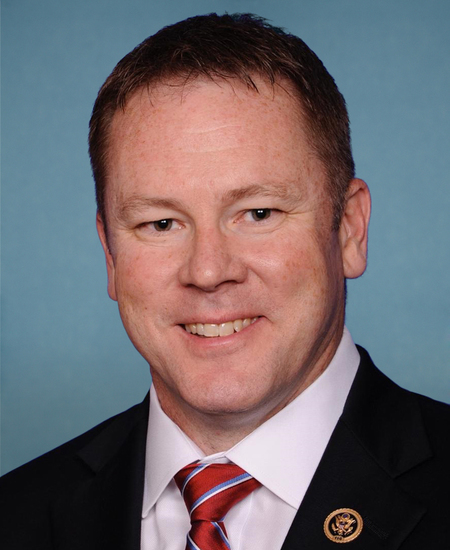
Warren Davidson
RRepublican
Co

Andy Biggs
RRepublican
Co
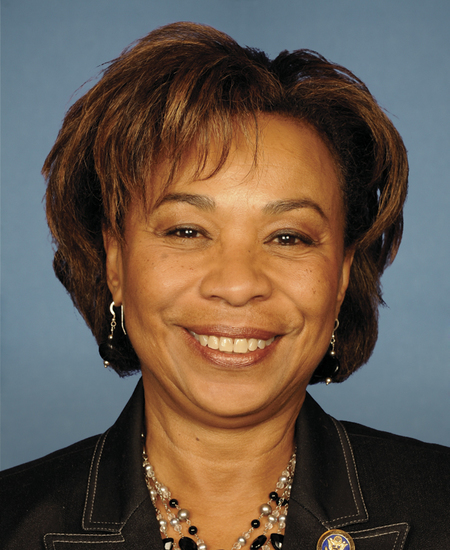
Barbara Lee
DDemocratic
Co
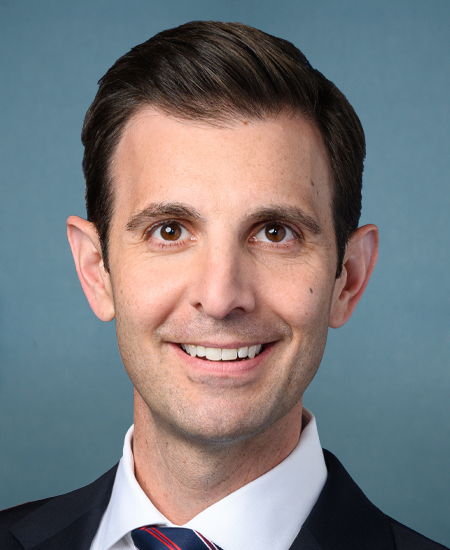
Christopher R. Deluzio
DDemocratic
Co
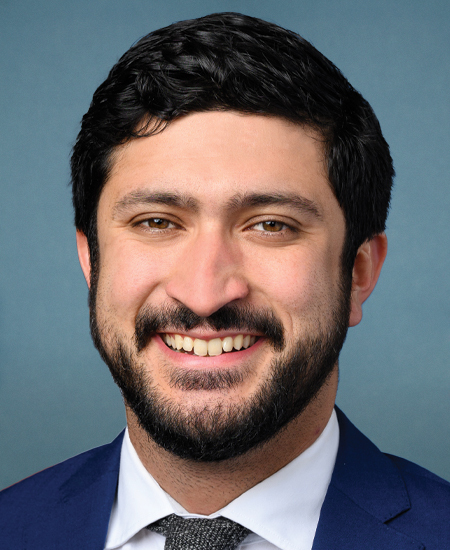
Greg Casar
DDemocratic
Co
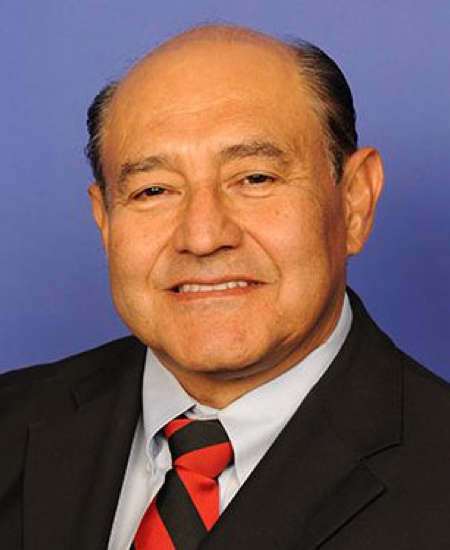
J. Luis Correa
DDemocratic
Co
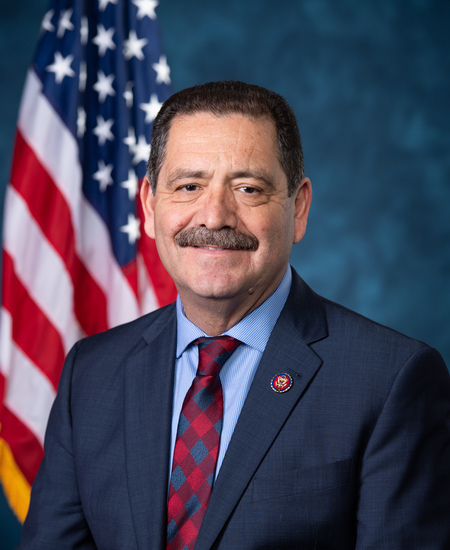
Jesús G. "Chuy" García
DDemocratic
Co
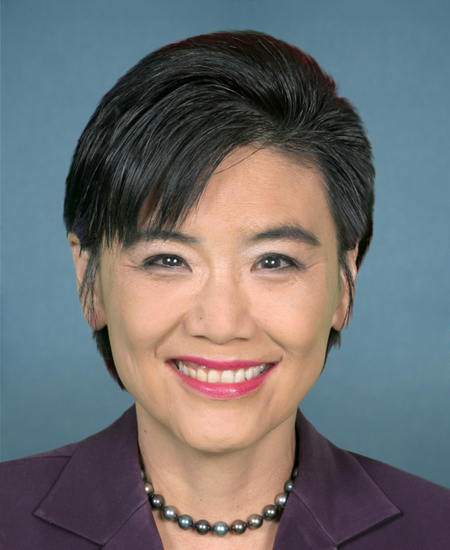
Judy Chu
DDemocratic
Co
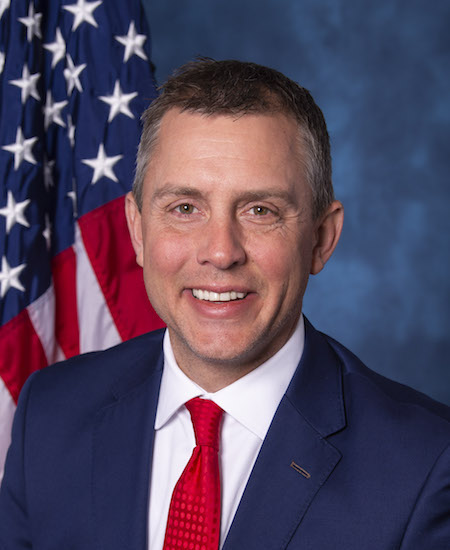
Kelly Armstrong
RRepublican
Co
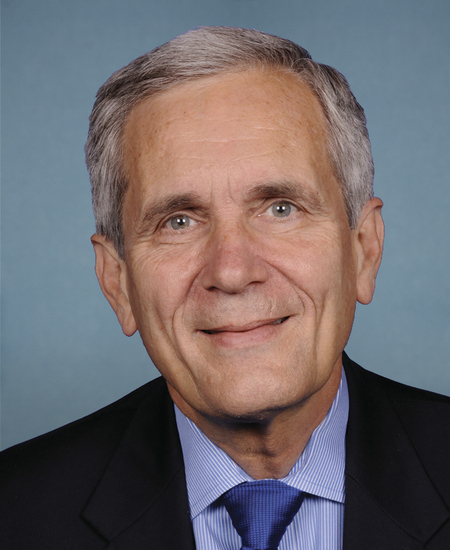
Lloyd Doggett
DDemocratic
Co

Mike Carey
RRepublican





Ask Maddy
·
AI policy assistant
Ask Maddy about HR 6262
Scope: US
Hi! I can help you understand HR 6262. What would you like to know?
Try one of these
i
Maddy answers using official bill text and legislative records. Always verify before sharing.
Sources cited inline