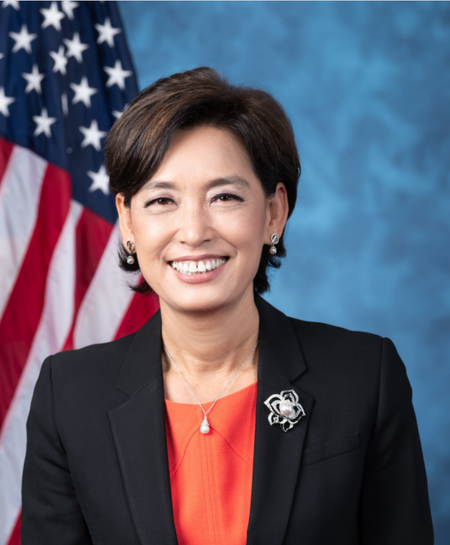
HR 5333 United States House · 118th Congress

Investing in All of America Act of 2023

The Investing in All of America Act of 2023 amends the Small Business Investment Act to expand eligibility for a leverage exclusion, allowing Small Business Investment Companies (SBICs) to count more investments toward their leverage limits when funding businesses in low-income or rural areas, or in critical technology sectors vital to national security. It requires the Small Business Administration to adjust exclusion limits annually using the Consumer Price Index to account for inflation and to submit annual reports to Congress on economic activity and jobs generated by these investments. This bill directly affects SBICs and the businesses they support in designated underserved communities and strategic technology industries.
Tags: Small Business
Bill status passed 3 of 5 stages cleared
Introduction
Sep 2023
Committee Review
Apr 2024
House Passage
Apr 2024
Senate Passage
President
Introduced Sep 1, 2023 Last action Apr 30, 2024
Maddy AI version diff · 1 comparison

What changed between versions

Introduced in House → Engrossed in House · 6 edits · Apr 29, 2024
MODERATE
The Engrossed version of HR 5333 makes several substantive changes to SBIC leverage rules: it lowers the maximum leverage ratio from 300 to 200, adds a $125 million dollar cap on the exclusion amount (in addition to the existing 50 percent private capital limit), restricts the exclusion to investments made after enactment, and expands eligible sources of private capital to include college and university foundations while excluding government funds. A new definitions subsection was also added to clarify what counts as private capital for leverage purposes.
REQUIREMENT

The maximum SBIC leverage ratio was reduced from 300 to 200, meaning SBICs can borrow less relative to their private capital base.

FISCAL

A new dollar cap of $125 million was added to the exclusion for investments in low-income, rural, and critical technology areas. The exclusion is now limited to the lesser of 50 percent of private capital or $125 million (previously only the 50 percent limit applied).

ELIGIBILITY

A new prospective applicability rule was added: investments are only eligible for the leverage exclusion if made after the date of enactment. Previously there was no such temporal restriction.

DEFINITION

The definition of private capital was amended to add 'a foundation, endowment, or trust of a college or university' as an eligible source, and to remove the requirement that pension plans be established prior to October 1, 1987.

A new exclusion was added stating that funds obtained directly or indirectly from any Federal, State, or local government do not count as private capital for leverage approval purposes (except certain already-listed exceptions).

TECHNICAL

The annual CPI adjustment provision now specifies fixed baseline dates (December 18, 2015 and June 21, 2018) instead of referencing the most recent prior adjustment, making the inflation indexing more precise.

Floor votes

How they voted

This bill passed the House by voice vote (no roll call recorded).
Full legislative history

Actions timeline

Total actions
13
Key actions
3
Committee
4
Amendments
2
Apr 30, 2024
Committee
Received in the Senate and Read twice and referred to the Committee on Small Business and Entrepreneurship.
upper
Apr 29, 2024
Introduced
On motion to suspend the rules and pass the bill, as amended Agreed to by voice vote. (text: CR H2640)
lower
Apr 29, 2024
Lower · Passed
Passed/agreed to in House: On motion to suspend the rules and pass the bill, as amended Agreed to by voice vote. (text: CR H2640)
lower
Apr 29, 2024
Introduced
Mr. Williams (TX) moved to suspend the rules and pass the bill, as amended.
lower
Apr 26, 2024
Lower · Passed
Reported (Amended) by the Committee on Small Business. H. Rept. 118-469.
lower
Apr 17, 2024
Lower · Passed
Committee Consideration and Mark-up Session Held
lower
Sep 1, 2023
Committee
Referred to the House Committee on Small Business.
lower
Sep 1, 2023
Introduced
Introduced in House
lower
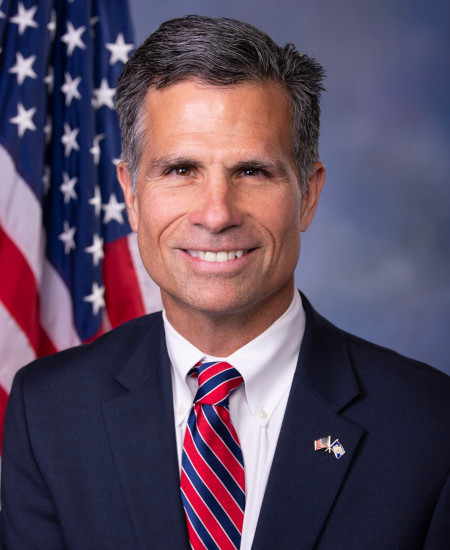
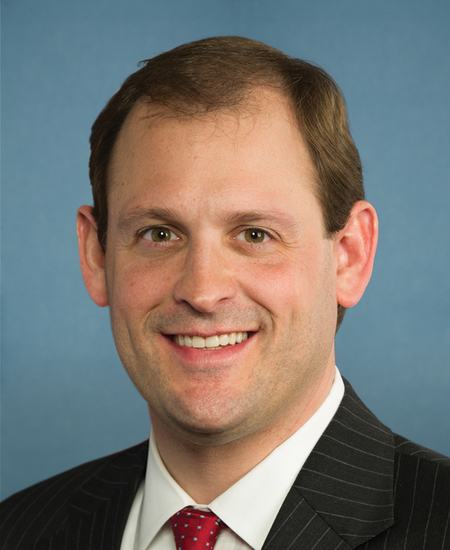
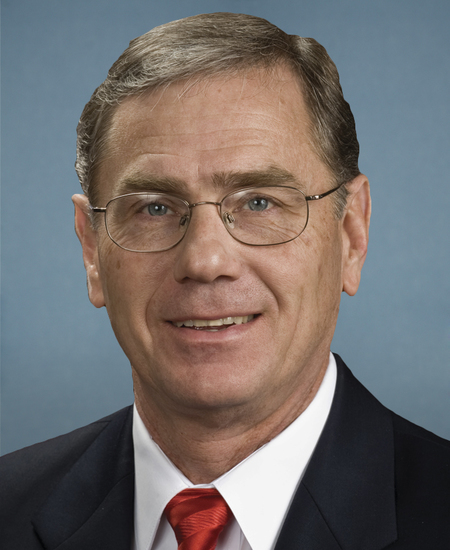
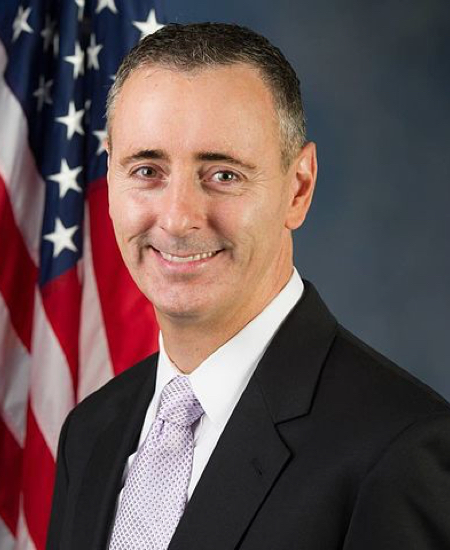
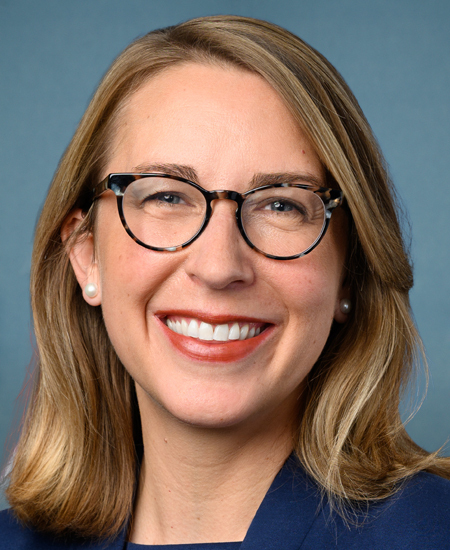
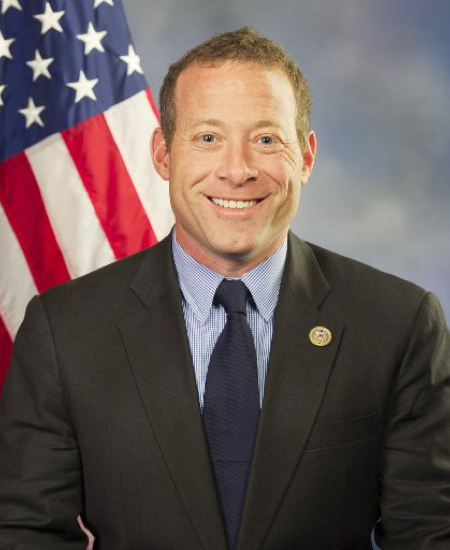
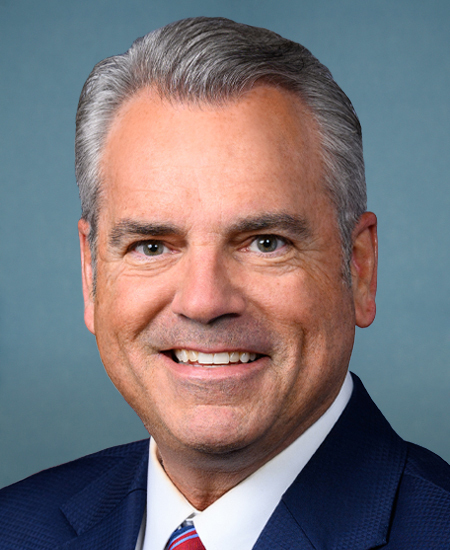
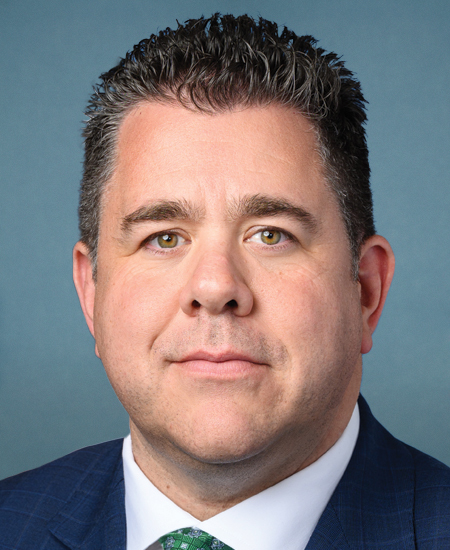
1 primary · 15 co-sponsors

Sponsors