

Billy's Law
Summary
Billy's Law or the Help Find the Missing Act This act provides statutory authority for the Department of Justice (DOJ) to maintain the National Missing and Unidentified Persons System (NamUs) consistent with its existing purpose and structure. NamUs is a national information clearinghouse and resource center for cases involving missing persons and unidentified or unclaimed remains. NamUs is administered by the National Institute of Justice within DOJ. The act also establishes new requirements. First, it requires a law enforcement agency that submits a missing child report to the National Crime Information Center (NCIC) to also submit the missing child report to NamUs. The NCIC is a computerized index of criminal justice data and files for reports of missing and unidentified persons. Current law requires law enforcement agencies to submit missing child reports to the NCIC database but not to the NamUs databases. Second, the act establishes requirements to facilitate data sharing between the NCIC database and the NamUs databases with respect to missing and unidentified persons. Specifically, the act requires DOJ to give the National Institute of Justice access to the NCIC missing person and unidentified person records for the purpose of validating cases and reconciling data with NamUs. Additionally, the act requires DOJ to assess the NCIC and NamUs systems and governing statutes, policies, and procedures and create a plan for NCIC to automatically transmit certain records to NamUs. Third, the act requires DOJ to report to forensic medicine service providers and law enforcement agencies on best practices for collecting, reporting, and analyzing data and information on missing persons and unidentified human remains. DOJ must also report to Congress biennially on the status of the NCIC database and the NamUs databases. The report must describe the process of information sharing between the NCIC database and NamUs databases.
Bill status
signed
all 5 stages cleared
Introduction
Dec 2022
Committee Review
Senate Passage
Dec 2022
House Passage
Dec 2022
Signed into Law
Dec 2022
Introduced Dec 8, 2022
Signed Dec 27, 2022
Floor votes · House Dec 14, 2022
How they voted
This bill passed the Senate by voice vote (no roll call recorded).
Full legislative history
Actions timeline
Total actions
17
Key actions
3
Committee
0
Dec 27, 2022
Signed into law
Signed by President.
executive
Dec 14, 2022
Lower · Passed
Passed/agreed to in House: On motion to suspend the rules and pass the bill Agreed to by the Yeas and Nays: (2/3 required): 422 - 4 (Roll no. 526).
lower
Dec 8, 2022
Introduced
Introduced in the Senate, read twice, considered, read the third time, and passed without amendment by Unanimous Consent. (consideration: CR S7080-7081; text: CR S7080-7081)
upper
Dec 8, 2022
Upper · Passed
Passed/agreed to in Senate: Introduced in the Senate, read twice, considered, read the third time, and passed without amendment by Unanimous Consent.(consideration: CR S7080-7081; text: CR S7080-7081)
upper
Dec 8, 2022
Introduced
Introduced in Senate
upper
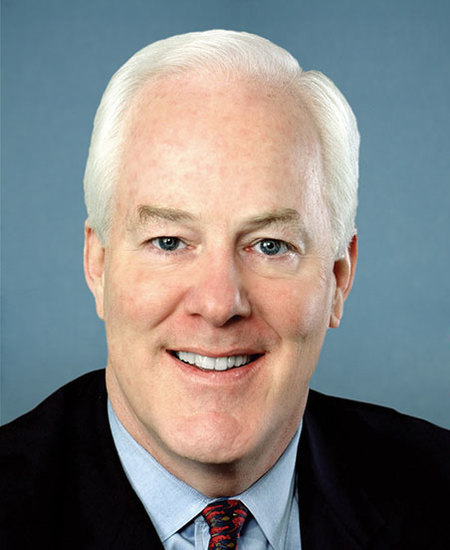
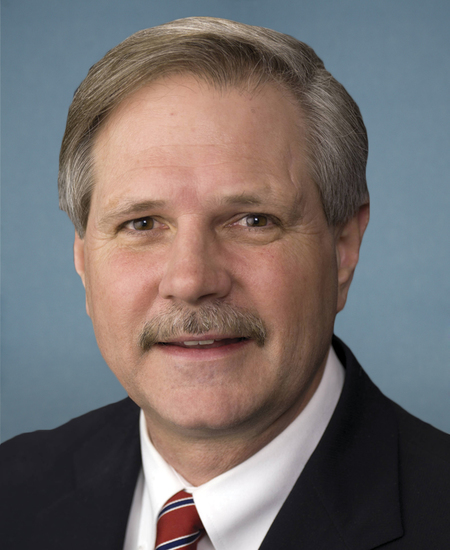
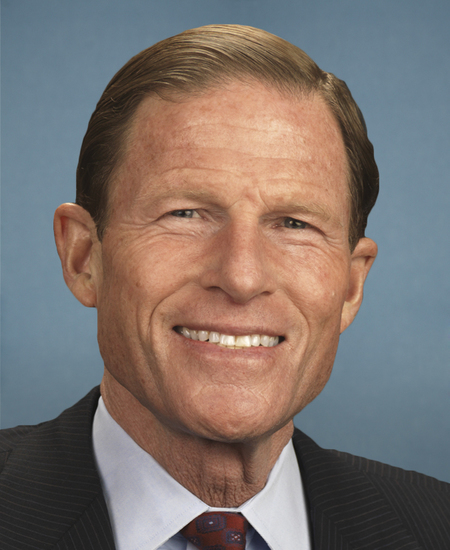
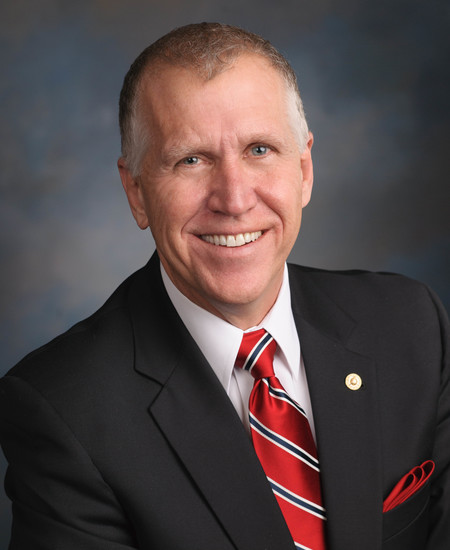
1 primary · 4 co-sponsors
Sponsors

Ask Maddy
·
AI policy assistant
Ask Maddy about S 5230
Scope: US
Hi! I can help you understand S 5230. What would you like to know?
Try one of these
i
Maddy answers using official bill text and legislative records. Always verify before sharing.
Sources cited inline