

Colorado River Indian Tribes Water Resiliency Act of 2022
Summary
Colorado River Indian Tribes Water Resiliency Act of 2022 This act authorizes the Colorado River Indian tribes (CRIT) to enter into agreements for the transfer or storage of a portion of its water allocation to be used in other locations in Arizona. The CRIT include four Indian tribes—the Mohave, Chemehuevi, Hopi, and Navajo. The reservation is located along the Colorado River in both Arizona and California. (Sec. 4) The CRIT is authorized to enter into an agreement to lease or exchange a portion of the CRIT's consumptive use of water for use off the reservation if the receiving facility is located in the Lower Basin of the Colorado River in Arizona and is not located in Navajo, Apache, or Cochise counties in Arizona. The term of a lease under this section must not exceed 100 years. (Sec. 5) The CRIT is authorized to enter into a storage agreement, including with the Arizona Water Banking Authority, for the storage of a portion of the consumptive use, or the water received under an exchange pursuant to an exchange agreement under this act, at one or more underground storage facilities or groundwater savings facilities off the reservation if the facility is located in the Lower Basin of the Colorado River in Arizona and is not located in Navajo, Apache, or Cochise counties in Arizona. (Sec. 6) The CRIT is authorized to enter into an agreement for water conservation or other methods for voluntarily leaving a portion of the CRIT reduced consumptive use in Lake Mead, which is located in Arizona and Nevada. If the conserved water is delivered, the delivery must be located in the Lower Basin of the Colorado River in Arizona and is not located in Navajo, Apache, or Cochise counties in Arizona. The term of an agreement under this section must not exceed 100 years. (Sec. 7) This section grants authority to the Department of the Interior to approve or disapprove of an agreement under this act. Interior is also authorized to enter into agreements with CRIT under this act, provided Interior pays fair market value for the reduced consumptive use. Among other requirements, Interior must ensure that water agreements under this act do not permanently alienate any portion of the CRIT water allocation. (Sec. 8) Interior, when approving an agreement under this act, must ensure that such agreement complies with the National Environmental Policy Act of 1969, the Endangered Species Act of 1973, and other federal environmental laws. (Sec. 9) The CRIT must enter into an agreement with the state of Arizona prior to entering into an agreement under this act. The agreement with Arizona must outline all notice, information sharing, and collaboration requirements. (Sec. 10) Interior must enter into an agreement with the state of Arizona and the CRIT describing the procedural, technical, and accounting methodologies for an agreement under this act. (Sec. 11) This section reserves the CRIT's allocated water rights, including by ensuring that no agreement reduces or limits the right of the CRIT to use the remaining portion of their allocation. (Sec. 12) This section prohibits an agreement under this act from interfering with an allottee's water rights. (Sec. 13) This section establishes that the CRIT is entitled to all consideration from an agreement under this act. (Sec. 14) The United States has limited liability against claims under this act, except for those relating to the above environmental requirements.
Bill status
signed
all 5 stages cleared
Introduction
Dec 2021
Committee Review
Dec 2022
Senate Passage
Dec 2022
House Passage
Dec 2022
Signed into Law
Jan 2023
Introduced Dec 2, 2021
Signed Jan 5, 2023
Floor votes · House Dec 21, 2022
How they voted
This bill passed the Senate by voice vote (no roll call recorded).
Full legislative history
Actions timeline
Total actions
23
Key actions
8
Committee
5
Jan 5, 2023
Signed into law
Signed by President.
executive
Dec 22, 2022
Upper · Passed
By Senator Schatz from Committee on Indian Affairs filed written report. Report No. 117-286.
upper
Dec 21, 2022
Lower · Passed
Passed/agreed to in House: On motion to suspend the rules and pass the bill Agreed to by the Yeas and Nays: (2/3 required): 397 - 12 (Roll no. 538).
lower
Dec 19, 2022
Upper · Passed
Passed Senate with an amendment by Unanimous Consent. (consideration: CR S7287-7288; text of amendment in the nature of a substitute: CR S7287-7288)
upper
Dec 19, 2022
Upper · Passed
Passed/agreed to in Senate: Passed Senate with an amendment by Unanimous Consent.
upper
Dec 19, 2022
Upper · Passed
Committee on Indian Affairs. Reported by Senator Schatz with an amendment in the nature of a substitute. Without written report.
upper
Nov 16, 2022
Upper · Passed
Committee on Indian Affairs. Ordered to be reported with an amendment in the nature of a substitute favorably.
upper
Mar 23, 2022
Upper · Passed
Committee on Indian Affairs. Hearings held. Hearings printed: S.Hrg. 117-360.
upper
Dec 2, 2021
Committee
Read twice and referred to the Committee on Indian Affairs.
upper
Dec 2, 2021
Introduced
Introduced in Senate
upper
1 primary · 3 co-sponsors
Sponsors
Role
Legislator
Party
State
District
P

Mark Kelly
DDemocratic
Co
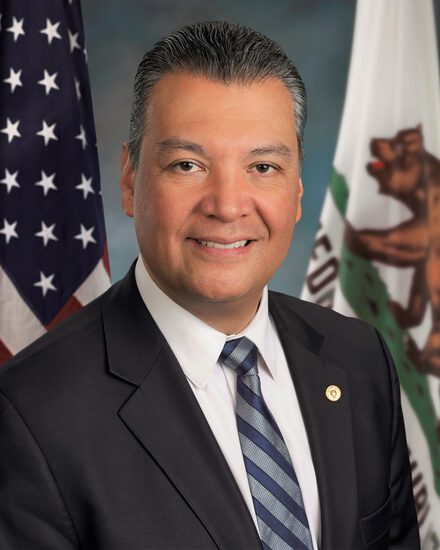
Alex Padilla
DDemocratic
Co

Dianne Feinstein
DDemocratic
Co

Kyrsten Sinema
IIndependent
Ask Maddy
·
AI policy assistant
Ask Maddy about S 3308
Scope: US
Hi! I can help you understand S 3308. What would you like to know?
Try one of these
i
Maddy answers using official bill text and legislative records. Always verify before sharing.
Sources cited inline