

Protecting the Right to Organize Act of 2021
Summary
Protecting the Right to Organize Act of 20 21 This bill expands various labor protections related to employees' rights to organize and collectively bargain in the workplace. Among other things, it (1) revises the definitions of employee , supervisor , and employer to broaden the scope of individuals covered by the fair labor standards; (2) permits labor organizations to encourage participation of union members in strikes initiated by employees represented by a different labor organization (i.e., secondary strikes); and (3) prohibits employers from bringing claims against unions that conduct such secondary strikes. The bill also allows collective bargaining agreements to require all employees represented by the bargaining unit to contribute fees to the labor organization for the cost of such representation, notwithstanding a state law to the contrary; and expands unfair labor practices to include prohibitions against replacement of, or discrimination against, workers who participate in strikes. The bill makes it an unfair labor practice to require or coerce employees to attend employer meetings designed to discourage union membership and prohibits employers from entering into agreements with employees under which employees waive the right to pursue or a join collective or class-action litigation. The bill further prohibits employers from taking adverse actions against an employee, including employees with management responsibilities, in response to that employee participating in protected activities related to the enforcement of the prohibitions against unfair labor practices (i.e., whistleblower protections). Such protected activities include providing information about a potential violation to an enforcement agency, participating in an enforcement proceeding, initiating a proceeding concerning an alleged violation or assisting in such a proceeding, or refusing to participate in an activity the employee reasonably believes is a violation of labor laws. Finally, the bill addresses the procedures for union representation elections, provides employees with the ability to vote in such elections remotely by telephone or the internet, modifies the protections against unfair labor practices that result in serious economic harm, and establishes penalties and permits injunctive relief against entities that fail to comply with National Labor Relations Board orders.
Bill status
passed
3 of 5 stages cleared
Introduction
Feb 2021
Committee Review
Mar 2021
House Passage
Mar 2021
Senate Passage
President
Introduced Feb 4, 2021
Last action Mar 11, 2021
Floor votes · House Mar 9, 2021
How they voted
225–206
Passed · 1 other
Total votes 432
Mar 9, 2021
D
Democratic221
99% Yea
R
Republican211
97% Nay
Vote distribution
All Yea
All Nay
Mixed
No data
Full legislative history
Actions timeline
Total actions
22
Key actions
4
Committee
4
Amendments
5
Mar 11, 2021
Committee
Received in the Senate and Read twice and referred to the Committee on Health, Education, Labor, and Pensions.
upper
Mar 9, 2021
Lower · Passed
On passage Passed by the Yeas and Nays: 225 - 206 (Roll no. 70).
lower
Mar 9, 2021
Lower · Passed
Passed/agreed to in House: On passage Passed by the Yeas and Nays: 225 - 206 (Roll no. 70).
lower
Mar 9, 2021
Lower · Passed
Mr. Banks moved to recommit to the Committee on Education and Labor. (text: CR H1176-1177)
lower
Mar 9, 2021
Introduced
UNFINISHED BUSINESS - The Chair announced that the unfinished business was the question on agreeing to the amendments which had been debated earlier and on which further proceedings had been postponed.
lower
Mar 9, 2021
Introduced
POSTPONED PROCEEDINGS - At the conclusion of debate on the Scott (VA) amendment en bloc No. 2, the Chair put the question on agreeing to the amendment and by voice vote, announced that the ayes had prevailed. Ms. Foxx demanded the yeas and nays and the Chair postponed further proceedings until a time to be announced.
lower
Mar 9, 2021
Introduced
DEBATE - Pursuant to the provisions of H. Res. 188, the House proceeded with 20 minutes of debate on the Scott (VA) amendment en bloc No. 2.
lower
Mar 9, 2021
Introduced
POSTPONED PROCEEDINGS - At the conclusion of debate on the Scott (VA) amendment en bloc No. 1, the Chair put the question on agreeing to the amendment and by voice vote, announced that the ayes had prevailed. Ms. Foxx demanded the yeas and nays and the Chair postponed further proceedings until a time to be announced.
lower
Mar 9, 2021
Introduced
DEBATE - Pursuant to the provisions of H. Res. 188, the House proceeded with 20 minutes of debate on the Scott (VA) amendment en bloc No. 1.
lower
Mar 8, 2021
Lower · Passed
Rules Committee Resolution H. Res. 188 Reported to House. Rule provides for consideration of H.R. 842, H.R. 8 and H.R. 1446. Rule provides for one hour of general debate for H.R. 842, H.R. 8, and H.R. 1446. The rule provides for a motion to recommit on H.R. 842, H.R. 8, and H.R. 1446.
lower
Feb 4, 2021
Committee
Referred to the House Committee on Education and Labor.
lower
Feb 4, 2021
Introduced
Introduced in House
lower
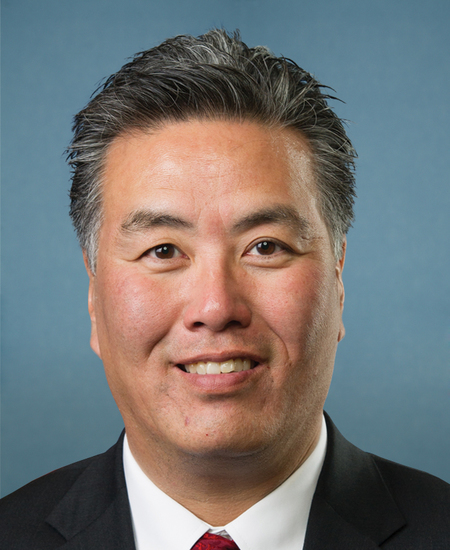
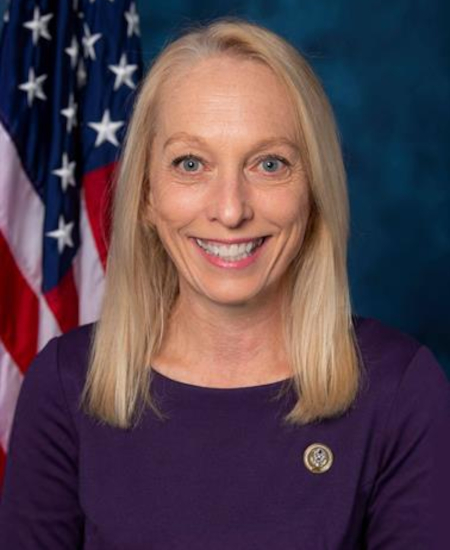
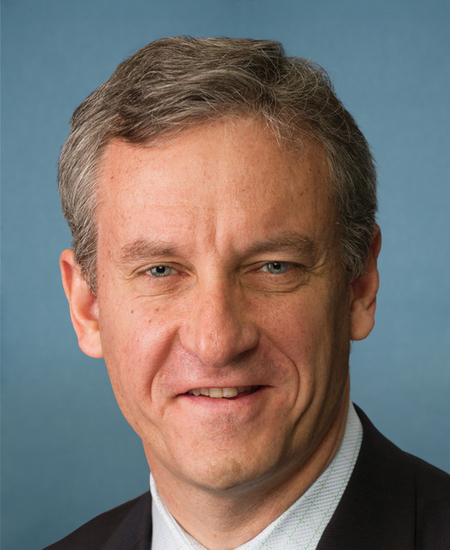
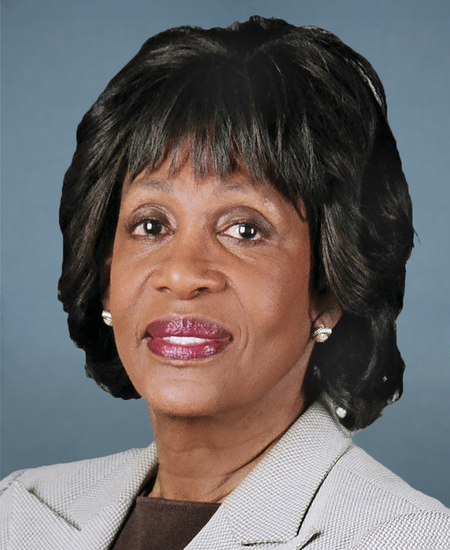
1 primary · 213 co-sponsors
Sponsors
Role
Legislator
Party
State
District
P
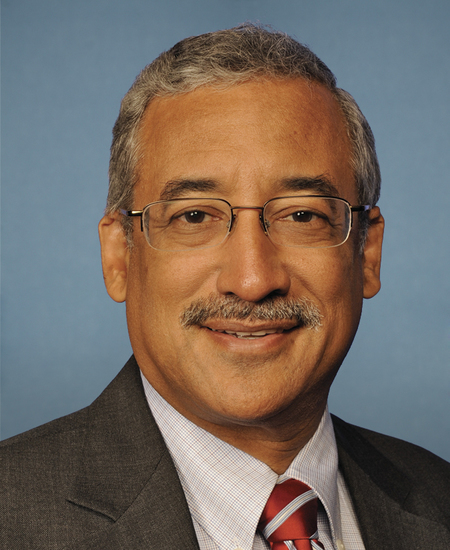
Robert C. "Bobby" Scott
DDemocratic
Co
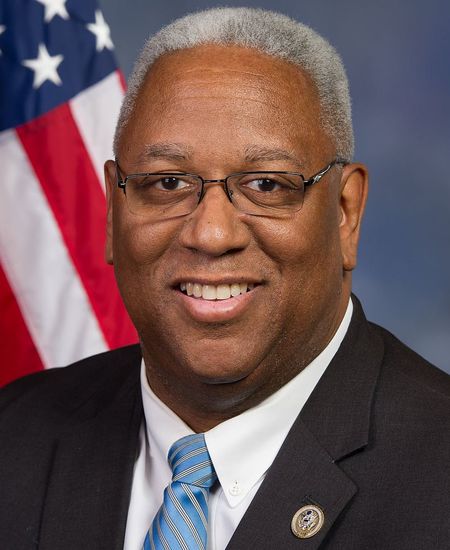
A. Donald McEachin
DDemocratic
Co
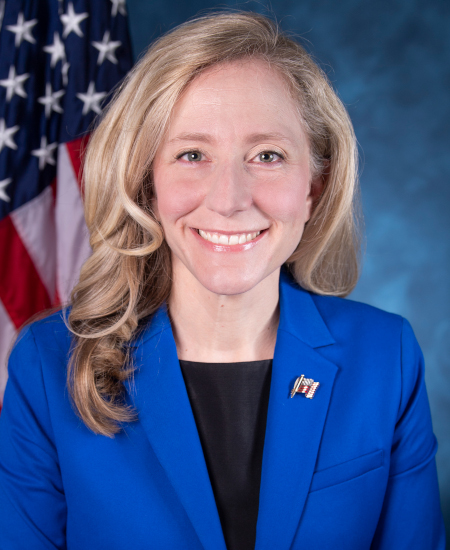
Abigail Davis Spanberger
DDemocratic
Co

Adam B. Schiff
DDemocratic
Co
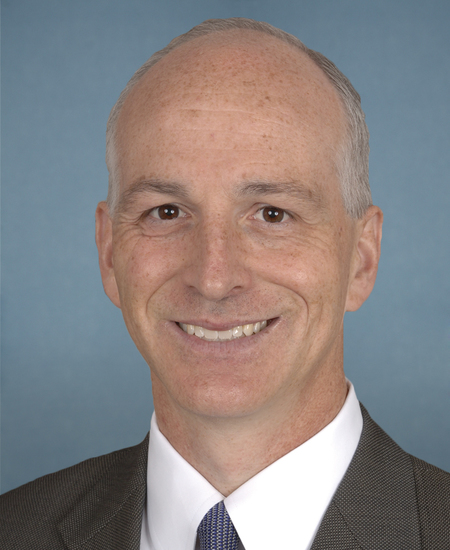
Adam Smith
DDemocratic
Co
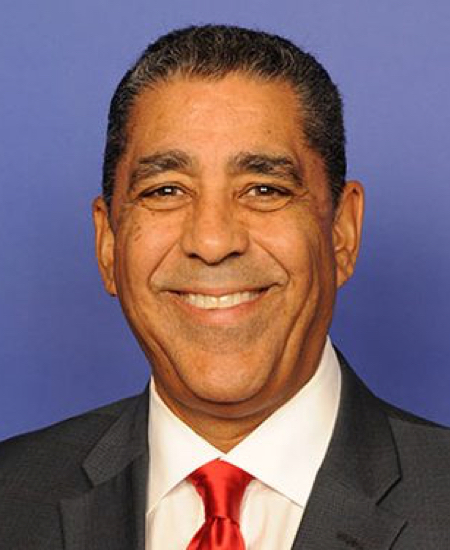
Adriano Espaillat
DDemocratic
Co
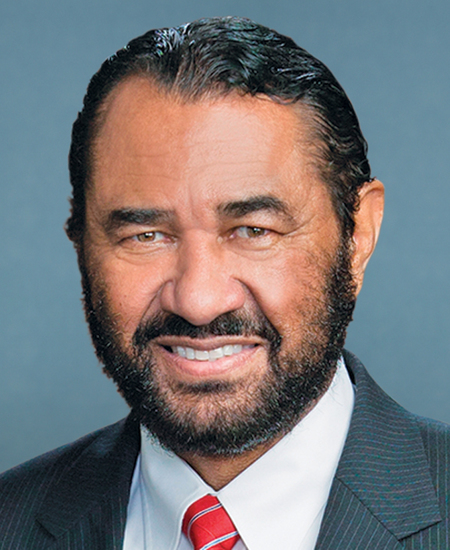
Al Green
DDemocratic
Co
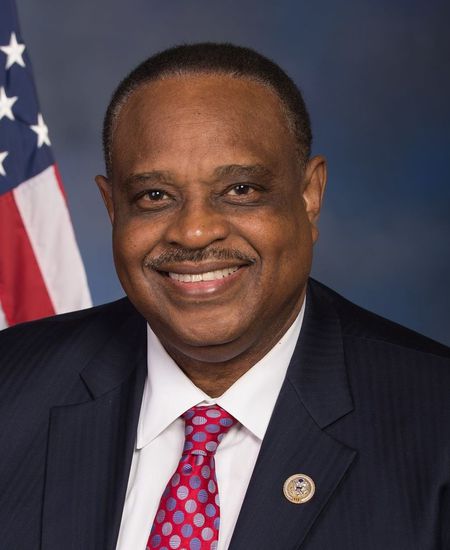
Al Lawson, Jr.
DDemocratic
Co
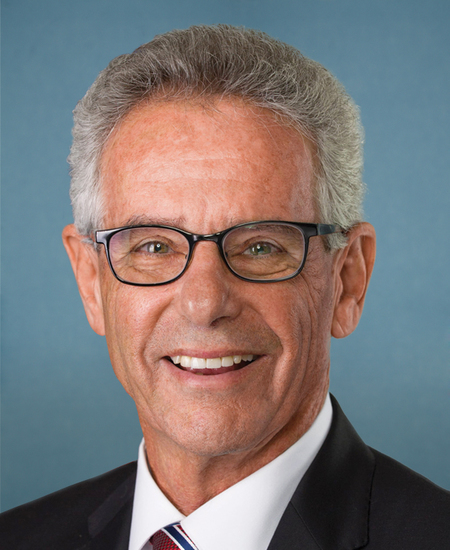
Alan S. Lowenthal
DDemocratic
Co
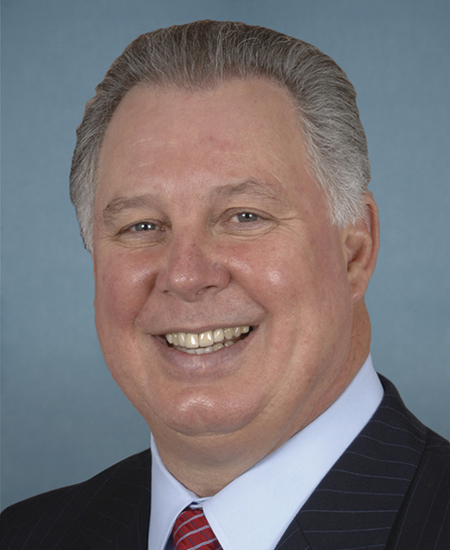
Albio Sires
DDemocratic
Co
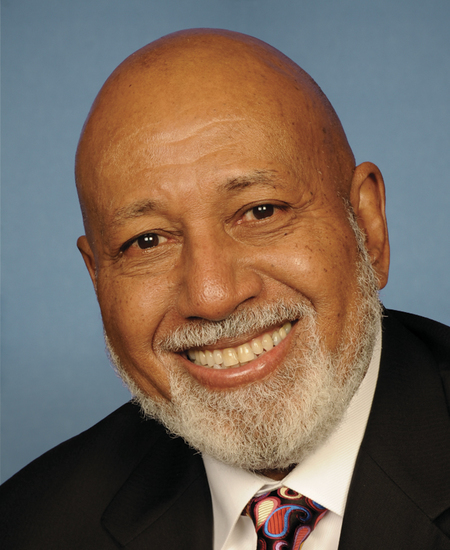
Alcee L. Hastings
DDemocratic










































Ask Maddy
·
AI policy assistant
Ask Maddy about HR 842
Scope: US
Hi! I can help you understand HR 842. What would you like to know?
Try one of these
i
Maddy answers using official bill text and legislative records. Always verify before sharing.
Sources cited inline