Maddy summarySB 1687 raises the minimum age requirement for certain driver's license privileges in Oklahoma from 15 to 16 years old. The bill specifically updates Section 6-105 to require applicants for learner permits to be at least 16, while maintaining existing provisions for parent-taught driver education programs certified by Service Oklahoma. It also adds new requirements for intermediate license holders, including passenger restrictions and nighttime driving limitations. The bill directly affects teenagers seeking driver's licenses, particularly those under 18 navigating Oklahoma's graduated licensing system. These changes update existing statutory language without altering the core structure of the state's driver licensing process.

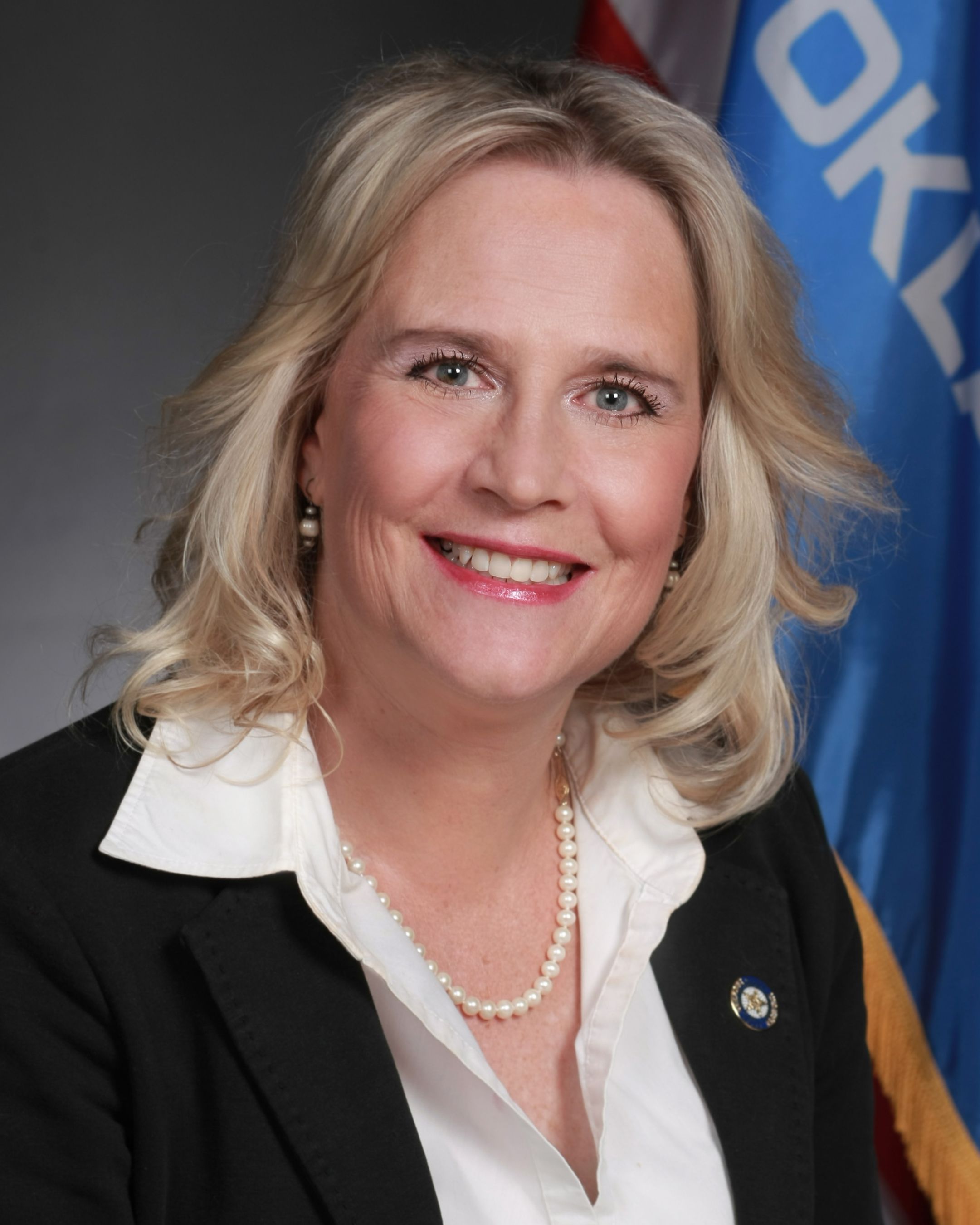
Rep. Nicole Miller
Sponsored bills
Maddy summarySB 1531 establishes the Oklahoma Department of Aerospace and Aeronautics as a state clearinghouse for drone (UAS) and advanced air mobility (AAM) technology. The bill authorizes the department to coordinate drone/AAM infrastructure development by maintaining registries for state agency drones and training programs, planning vertiport sites, creating detection systems, and partnering with cities, counties, and federal agencies. It directly affects state agencies using drones, educational institutions offering drone training, and local governments developing drone infrastructure. The law aims to streamline Oklahoma’s integration of drone/AAM technology into aviation systems through centralized planning and state-led coordination.
Maddy summarySB 1264 consolidates and updates Oklahoma's assault and battery statutes by repealing outdated references to prior amendments of Section 644 of Title 21. It removes four previous versions of the statute (amended by Chapters 147, 162, 322, and 486 of the 2025 Oklahoma Statutes) to streamline the current legal language. The bill directly affects courts, law enforcement, and legal practitioners who apply these statutes in criminal cases. It makes no substantive changes to offense definitions or penalties but ensures all references to assault and battery provisions are current and consistent.
Maddy summarySB 258 creates a dedicated fund called the "Major Collector Routes Fund" in Oklahoma's state treasury to support county transportation projects. It directly affects Oklahoma counties, which can apply for grants to improve roads and bridges through a competitive program. The fund uses state budget money (not new taxes) to pay for projects evaluated on safety, innovation, necessity for public use, and features like traffic safety or school bus routes. Counties must contribute financially to projects to qualify, and funds are available continuously without annual budget limits.
Maddy summarySB 504 sets 18 as the minimum age for marriage in Oklahoma, removing all current exceptions that allowed minors under 18 to marry with parental consent or court approval. It eliminates pathways such as parental written consent, medical certificates for absent parents, military personnel permission, and affidavits for deceased parents. The bill only retains limited exceptions for minors under 16: in court cases involving paternity/seduction suits or if an unmarried pregnant minor has parental presence. This change directly affects minors under 18 who previously could marry through existing statutory exceptions. The law takes effect November 1, 2025.
Maddy summaryHB 4275 standardizes certification rules for two mental health roles in Oklahoma: behavioral health case managers and peer recovery support specialists. It requires the Board of Mental Health and Substance Abuse Services to establish uniform education, exam, supervision, and continuing education standards for these professionals. The bill applies to individuals employed by state/local governments, contracted service providers, tribal facilities, or VA facilities, and restricts certified titles to these specific employment settings. Certification fees are capped at $100, and failure to comply with rules may result in suspension or revocation. The law takes effect November 1, 2026.
Maddy summarySB 1651 amends Oklahoma's medical licensure laws for physicians and allied health professionals, affecting all licensed practitioners in the state. Key changes include establishing a new "special training license" for certain providers, creating "physician emeritus" status for retired doctors, prohibiting specific fees, and requiring national criminal background checks for all applicants. The bill also updates telemedicine authorization for respiratory care professionals, modifies application and renewal procedures, and removes outdated fee structures and language. These changes streamline licensing processes while adding new requirements for background screening and special practice categories.
Maddy summaryHB 4274 removes residency requirements for children of active-duty military personnel seeking to transfer schools within Oklahoma. It requires school districts to accept these students as "in-district" for enrollment purposes without needing proof of local residence, treating them as if they live within the district. Eligibility requires the student's parent to have a Department of Defense ID and either reside with a relative in the district or plan to move there within six months. The bill takes effect July 1, 2026, and mandates districts to accept electronic enrollment applications and maintain special education services for these students.
Maddy summarySB 1653 would allow Oklahoma to join the Occupational Therapy Licensure Compact, enabling licensed occupational therapists and assistants from participating states to practice in Oklahoma without obtaining a separate Oklahoma license. This "Compact Privilege" applies when the patient is located in Oklahoma (the "Remote State"), preserving each state's regulatory authority while facilitating interstate practice. The bill establishes mutual recognition of licenses, supports military spouses relocating across states, and includes provisions for telehealth services and sharing disciplinary information between states. It directly affects occupational therapists seeking to practice across state lines and enhances access to services for patients in Oklahoma.
Maddy summarySB 2030 expands eligibility for expunging criminal records in Oklahoma by adding 17 new categories of qualifying individuals, including those with DNA evidence proving innocence, dismissed misdemeanor charges after waiting periods, and nonviolent felony convictions later reclassified as misdemeanors. It requires the Oklahoma State Bureau of Investigation to consider expungement requests, mandates an online portal for filing, and clarifies procedures for sealing records. The bill repeals outdated expungement provisions and modifies requirements for waiting periods after sentences or dismissals. It directly affects Oklahomans with specific criminal convictions or dismissed charges who meet the new criteria.