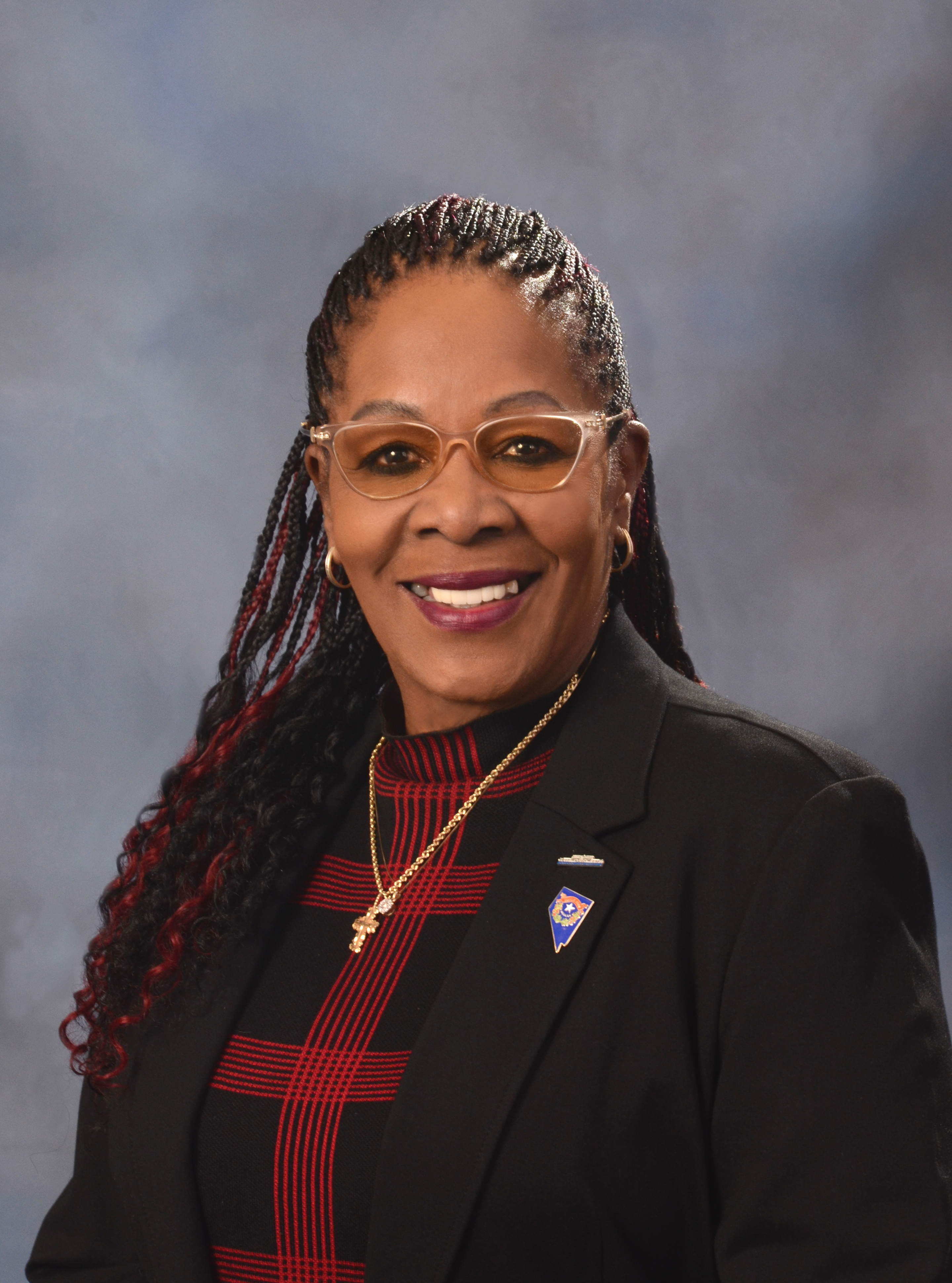
Maddy summaryAB 428 requires most health insurance plans in Nevada to cover fertility preservation services for individuals diagnosed with breast or ovarian cancer who face infertility from the cancer or its treatment. This coverage must include medically necessary procedures as defined by established medical guidelines, such as egg or sperm freezing before cancer treatment begins. Insurers affiliated with religious organizations may exclude this coverage if they provide written notice to insureds about the exemption. The law applies to private health plans, Medicaid, and state/local government employee health insurance, with enforcement by the Insurance Commissioner for non-compliance.

Sponsored bills
Maddy summarySB 262 transfers administration of Nevada’s Graduate Medical Education Grant Program from the Office of Science to the Department of Health and Human Services (DHS). It requires medical institutions receiving grants to obtain DHS approval before eliminating or reducing residency training programs, with criteria including demonstrating reduced patient need and no negative impact on healthcare provider availability. The bill expands grant eligibility to include programs exceeding Medicare-funded resident slots and allows DHS to provide limited grants for new program development and staffing. It also directs DHS to explore using Medicaid funding to support residency programs, effective as of its passage and signing into law on June 10, 2025.
Maddy summaryAB 388 revises paid family leave provisions for state employees and private employers with 50+ staff. It reduces the required employment duration from 12 months to 90 days, increases leave entitlement from 8 to 12 weeks, and expands eligible reasons to include bonding with foster children, pregnancy-related conditions, and domestic violence situations. Employers must provide 100% pay for employees earning up to 110% of the state average wage, and 60% pay for higher earners. The bill also requires employers to establish clear procedures and provide written notices about leave eligibility.
Maddy summaryAB 220 creates a program for Nevada's Department of Health and Human Services to issue free identification cards to homeless residents aged 10 or older who do not hold a valid driver's license or ID from any state. Applicants must attest to experiencing homelessness and lack of other IDs, and provide proof of name and age (with cards marked if verification is incomplete). The cards remain valid until the holder obtains a driver's license or ID from another state, and the program prohibits fees or charges for issuance, renewal, or name changes. This expands existing ID options by offering a no-fee alternative through HHS, distinct from the Department of Motor Vehicles' current system.
Maddy summaryAB 289 authorizes Nevada's Board of Regents to establish a required financial literacy course within the Nevada System of Higher Education, which includes the University of Nevada. This bill directly affects public universities in Nevada by giving the Board of Regents the authority to create such a course of study. The key provision adds language to Nevada law allowing the Board to prescribe financial literacy as part of the curriculum. The bill was signed into law by the Governor on June 5, 2025, and became Chapter 284.
Maddy summarySB 367 establishes a Rural and Community Media Program within the Department of Administration to improve state government outreach to rural and historically underrepresented communities. It requires state agencies spending on public outreach, marketing, or advertising to prioritize contracts with designated rural/community media outlets (defined as local nonprofits or small businesses serving specific communities) and report annually on their usage and spending. The program director must maintain a statewide media database, provide agency training on inclusive outreach strategies, and submit annual reports to the legislature detailing contracts and language accessibility. This policy directly affects all state departments and agencies conducting public engagement, mandating a shift in media spending practices to better serve underrepresented communities.
Maddy summaryAB 378 creates a pilot program allowing patients diagnosed with mental health conditions to access psychedelic therapy (using psilocybin, psilocin, DMT, ibogaine, or mescaline) under medical supervision in approved clinics. The Division of Public and Behavioral Health administers the program, requiring clinics to operate under strict medical oversight and participant approval. The bill includes confidentiality protections for patient data, liability immunity for program participants, and mandates annual reporting to the legislature. It also establishes an advisory committee and requires compliance with federal controlled substance regulations during the pilot phase.
Maddy summaryAB 297 (not Medicaid-related, as titled) creates a free postnatal home visitation program for new mothers in Nevada. It requires the state health department to provide at least two registered nurse visits per week for 28 days after birth, with no cost to the mother. The program must be funded using federal grants (like those under 42 U.S.C. § 711) and integrated into Nevada’s existing maternal and child health services. This directly affects new mothers in Nevada who give birth, aiming to improve postpartum care access.
Maddy summaryAB 263 requires Clark County (the only Nevada county with over 700,000 residents) to notify the Nevada Department of Transportation (NDOT) before cleaning up homeless encampments near NDOT-controlled roadways. The bill also gives NDOT the authority to consult with homeless outreach teams and join these cleanups. "Homeless outreach teams" are defined as teams established by counties to provide support and assistance to unhoused individuals. This bill modifies procedural requirements for encampment cleanups near roadways but does not change homelessness services or funding.
Maddy summaryAB 386 authorizes the Washoe County School District to run a one-year pilot program (2025-2026) testing an alternative reading assessment for elementary students instead of the statewide test, directly affecting Washoe County pupils. The State Board must approve the alternative assessment if it is valid, reliable, and has a method to equate scores to the statewide test. If approved, the district receives a grant equal to the state’s savings from not administering the statewide test for those students. The district must report to the state education department and the Education Committee by August 2026 on the assessment details, score equivalency, and grant use.