Maddy summaryThis bill prohibits local governments in Minnesota from requiring rental licenses, registrations, or inspections for homesteads occupied by relatives of the property owner. It defines "relative" broadly to include parents, children, siblings, grandparents, grandchildren, aunts, uncles, and cousins, covering relationships formed by blood or marriage. The legislation allows these relatives to live in the home without facing additional regulatory burdens typically associated with renting out a property, while still maintaining the homestead's tax benefits. Additionally, the bill clarifies that neither the owner nor the relative occupant can claim a specific property tax refund for these relative-occupied homesteads.

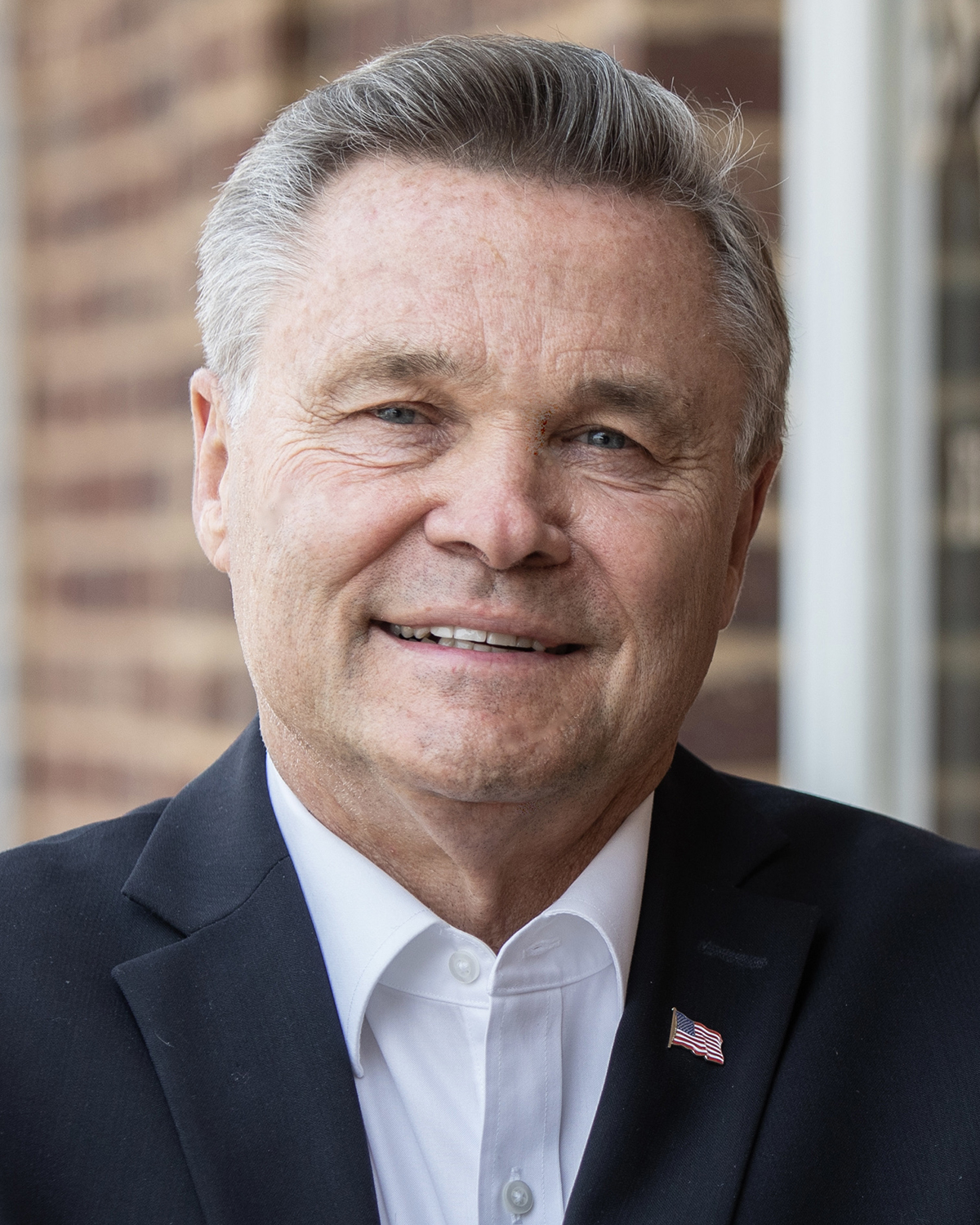
Sen. Glenn Gruenhagen
Sponsored bills
Maddy summaryThis bill clarifies the legal obligations of landlords in Minnesota by updating the state statutes governing residential leases. It requires landlords to ensure properties are fit for use, kept in reasonable repair, and maintained in compliance with health and safety laws, while also mandating energy efficiency upgrades that save money over a ten-year period. The legislation specifically sets a minimum indoor temperature of 68 degrees Fahrenheit during the heating season for living spaces, excluding areas like garages or porches that are not designed for continuous habitation. Additionally, the bill prohibits landlords and tenants from signing agreements that waive or modify these specific landlord responsibilities.
Maddy summaryThis bill repeals Minnesota laws requiring greenhouse gas emissions impact assessments for transportation projects and modifies funding rules for state transportation planning. It removes specific statutes that mandated environmental impact evaluations for transportation initiatives and cancels $3 million in funding previously allocated for travel demand modeling related to those assessments. The legislation also updates how metropolitan counties must allocate transportation funds, adjusting percentages for active transportation, preservation work, and transit services while eliminating references to greenhouse gas offset requirements. These changes affect the Minnesota Department of Transportation and local metropolitan counties by altering their planning obligations and funding distribution priorities.
Maddy summaryThis bill modifies a prior appropriation to provide $3.7 million in state funding to the city of Hutchinson. The money is designated for the Camp Craig Training Facility to support the Civil Air Patrol in building and equipping a hangar and statewide training center. By updating the legal text, the legislation ensures these funds can be used for the project's design, construction, and equipment needs.
Maddy summaryThe Protecting Families and Children Act establishes a legal framework in Minnesota to restrict gender transition procedures for minors and strengthen parental rights in education and healthcare. It prohibits the use of puberty blockers and cross-sex hormones for minors, defines biological sex based on genetics and anatomy, and requires parental consent for certain school activities. The bill also creates a new felony offense for grooming minors for sexual exploitation, repeals laws banning non-coercive talk therapy, and restores home-state jurisdiction in child custody disputes.
Maddy summaryThis bill proposes adding a new section to the Minnesota Constitution to state that a preborn child has a right to life. It defines a preborn child as a living human fetus from fertilization until live birth. The amendment includes specific exceptions to allow medical treatment for the pregnant individual and the removal of nonviable or deceased preborn children. If passed by the legislature, the measure would be placed on the 2026 general election ballot for voters to decide.
Maddy summaryThis bill expands the legal definition of a "disorderly house" in Minnesota to include locations where high-risk sexual activities regularly occur with the owner's or manager's knowledge. It specifically defines high-risk sexual conduct as activities likely to spread diseases through bodily fluid exchange, such as anonymous sex or sex with multiple partners. The changes apply to crimes committed on or after August 1, 2026, and do not alter the existing definitions for disorderly houses involving alcohol, gambling, prostitution, or drug sales.
Maddy summaryThis bill creates a new 100% tax on money obtained through fraud by individuals or organizations, regardless of any existing court penalties or restitution payments. It defines fraud broadly as the intentional use of deceit to secure state funds and allows the state revenue commissioner to levy the tax based on court convictions or their own independent determinations. The commissioner is tasked with investigating suspected fraud in cooperation with law enforcement and collecting the tax, which must be deposited into a special fund to provide income and property tax relief to Minnesota residents. The law applies retroactively to fraudulent acts discovered after December 31, 2019, and includes provisions for appealing the tax assessment.
Maddy summaryThis bill requires gas stations in Minnesota to display the specific amount of state and federal gas tax included in fuel prices on both pump signs and sales receipts. Starting in January 2027, retailers must show these tax figures in at least 11-point font, and the state will provide updated signs if tax rates change within the next 12 months. The legislation also removes a provision that automatically increased gas taxes based on construction costs, instead setting fixed rates for regular gasoline, diesel, and alternative fuels effective July 2026. These changes directly affect consumers by increasing price transparency and impact fuel retailers by mandating specific labeling practices.
Maddy summaryThis bill removes the state prohibition against conversion therapy for minors and vulnerable adults, allowing mental health practitioners to offer such services to these groups again. The legislation amends existing statutes to define conversion therapy while clarifying that support for gender transition and identity exploration remains permitted. By repealing the specific section that banned these practices for young people and vulnerable adults, the bill effectively lifts the current restrictions on mental health professionals in Minnesota.