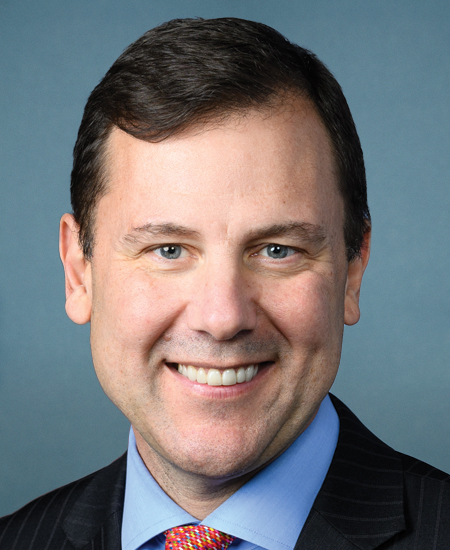
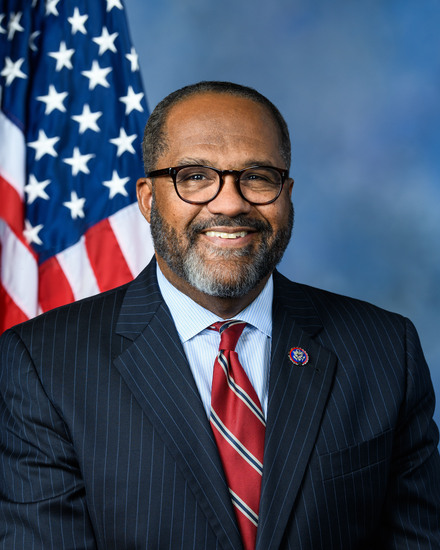
Lindsey O. Graham Sanctioning Russia and Iran Act of 2026
What changed between versions
The entire SEED Act was removed. It would have amended Section 62(d)(1) of the Internal Revenue Code to expand the educator expense deduction from kindergarten-through-grade-12 teachers to include early childhood educators (those providing services to children under age 6 at childcare facilities).
A new comprehensive sanctions act targeting Russia was added, covering: blocking property of Russian officials and entities, sanctions on Russian financial institutions (Central Bank, Sberbank, VTB, Gazprombank), prohibition on US investment in Russia, prohibition on energy exports to Russia, 500% tariffs on all goods imported from Russia, up to 100% tariffs on countries that buy Russian oil or gas, prohibition on uranium imports from Russia, and restrictions on financial messaging services.
Imposes duties of up to 500 percent ad valorem on all goods imported from the Russian Federation, in addition to any other applicable duties. Also imposes duties of up to 100 percent ad valorem on goods from countries identified as top-5 importers of Russian crude oil or natural gas or as facilitators of sanctions evasion.
Defines broad categories of persons subject to sanctions: Russian government officials (President, Prime Minister, military commanders, intelligence directors), oligarchs who have not opposed the war on Ukraine, foreign persons selling defense-related goods to Russia, vessel operators and insurers facilitating sanctions evasion, and entities with controlling Russian government ownership.
Most sanctions take effect 30 days after enactment. The President must conduct reviews every 180 days. A 270-day winddown period is provided for US persons to divest operations in Russia. Termination of sanctions requires a 30-day (or 60-day during congressional recess) congressional review period with joint resolution of disapproval available.
Violations are subject to penalties under the International Emergency Economic Powers Act (IEEPA), including criminal and civil penalties. The President is directed to use all IEEPA powers to block property and prohibit transactions. Visa revocation and inadmissibility apply to sanctioned aliens.
The President must certify in writing that termination of sanctions serves US national interests, submit reports to Congress before waivers, and the USTR must submit written determinations with methodology before imposing country-specific duties. A joint resolution of disapproval mechanism is provided for congressional override of terminations.
How they voted
Actions timeline
Sponsors