

Maddy summaryThe SMILE for Veterans Act directs the Secretary of Veterans Affairs to launch a three-year pilot program that provides dental care to eligible veterans living in rural areas who currently lack access to standard departmental services. The program operates by reimbursing or contracting with community-based providers, such as mobile clinics, nonprofit organizations, and private practices, to deliver basic preventive, restorative, and urgent dental treatments. Eligibility extends to veterans enrolled in the VA system who reside in designated rural areas and are either not otherwise eligible for dental care or unable to reach existing facilities within standard timeframes, with specific provisions allowing homeless veterans to qualify through alternative verification methods. The bill authorizes $5 million for program setup in fiscal year 2027 and $20 million annually for the following three years, while also establishing an internal working group to evaluate access barriers and requiring a final report to Congress on the pilot's effectiveness.
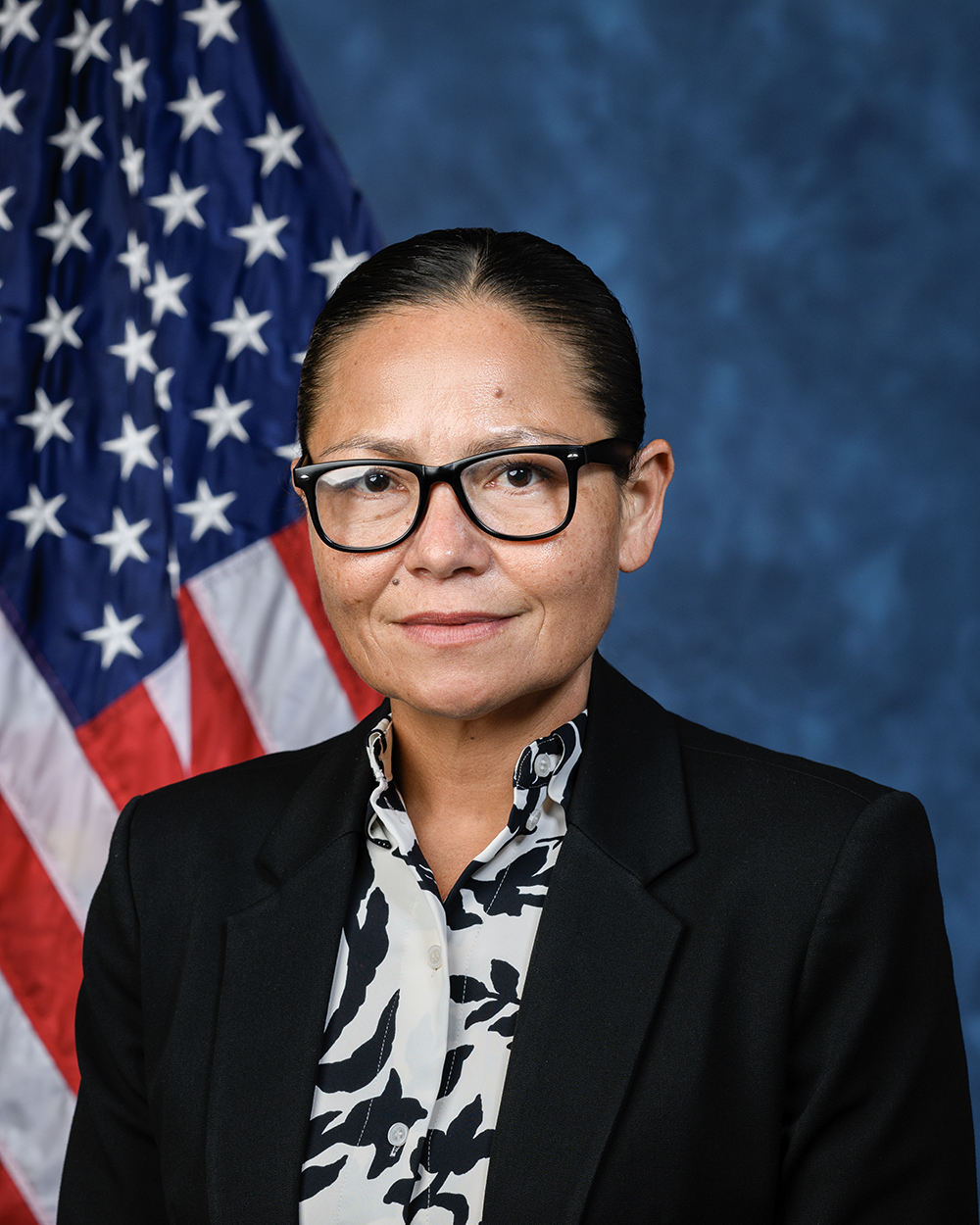
Rep. Kimberlyn King-Hinds
Sponsored bills
Maddy summaryThe Disaster Loan Outreach Consistency Act requires the Small Business Administration to create standardized procedures for its disaster field operations centers within 180 days of enactment. These procedures must ensure that all public communications, such as press releases and fact sheets, accurately reflect current loan terms and eligibility requirements. The bill mandates the use of verified templates and an annual review process to maintain consistency across different regional offices. Additionally, the agency head must notify relevant congressional committees within 30 days of establishing or significantly updating these outreach procedures.
Maddy summaryThe Cybersecurity for Small Businesses Act of 2026 directs the Small Business Administration, in partnership with federal cybersecurity agencies, to create and distribute resources that help small businesses improve their digital security practices. The bill specifically requires the administration to provide guidance on federal cybersecurity compliance standards to small companies seeking government contracts or subcontracting opportunities. This information must be made available through small business development centers, district offices, and the agency's website. Additionally, the Office of Advocacy is required to submit an annual report to Congress detailing how many small businesses have contacted them regarding cybersecurity issues.
Maddy summaryThis bill would require Medicare to cover early detection screening tests for Alzheimer's disease and related dementias starting January 1, 2028. It defines eligible tests as FDA-cleared genomic blood tests, blood product analyses, or equivalent medical imaging methods (like protein expression or whole genome sequencing) that detect pre-symptomatic or early-stage conditions. Medicare beneficiaries would receive this coverage without cost-sharing for these specific screenings. The bill amends Medicare coverage rules to explicitly include these tests under Section 1861(nnn) of the Social Security Act.
Maddy summaryThis bill requires the Federal Aviation Administration to equip specific contract air traffic control towers with advanced situational awareness tools within one year of enactment. It mandates the installation of Airborne Position Reference Tools at towers lacking these systems and ensures that towers without Standard Terminal Automation Replacement Systems receive necessary equipment and maintenance support. The legislation also updates funding rules to cover the costs of acquiring and operating these new tools and establishes training programs to help controllers effectively use the technology. Additionally, the bill provides financial reimbursement to airports that have already purchased similar systems before the federal government installs them.
Maddy summaryThis bill, known as the Post-Disaster Protection Act, extends the time limit for appealing federal disaster assistance decisions from 60 to 90 days. It directly affects individuals and communities seeking aid after natural disasters by amending the Robert T. Stafford Disaster Relief and Emergency Assistance Act. The change provides applicants with additional time to contest decisions regarding their eligibility or the amount of assistance they receive. This adjustment aims to give affected parties more time to review and challenge assistance determinations without rushing the appeals process.
Maddy summaryThe TASA Act of 2025 amends federal airport funding rules to include U.S. territory airports that were eligible under the 1978 Federal Aviation Act. It changes the criteria for which airports qualify for the government's share of project costs by adding territory airports meeting specific historical eligibility standards. This directly affects airports in U.S. territories (like Puerto Rico and Guam) that were designated as eligible points under the 1978 law. The bill updates existing funding eligibility without creating new programs or altering essential air service compensation rules.
National Law Enforcement Officers Remembrance, Support and Community Outreach Act. [ sic ] This bill temporarily directs the Department of the Interior to award a grant to the National Law Enforcement Officers Memorial Fund for the expenses associated with operating and enhancing the community outreach, public education, and officer safety and wellness programs of the National Law Enforcement Museum.
Maddy summaryThis bill, known as Kayleigh's Law Act of 2026, requires federal courts to issue permanent restraining orders against defendants convicted of certain serious crimes, prohibiting them from contacting their victims for the rest of their lives. The law applies specifically to individuals convicted of violent felonies or felony offenses involving sexual acts, including crimes like child exploitation and human trafficking. Courts must include these orders in sentencing, and violations are treated as contempt of court, while the only way to lift the order is if the conviction is overturned or pardoned. The bill also ensures that victims cannot be charged any fees for obtaining these protective orders and clarifies that the restrictions apply regardless of state laws.
Maddy summaryThe Marianas Tourism Advancement Act of 2026 amends immigration law to permanently add India, the Philippines, Vietnam, Thailand, Indonesia, and Mongolia to the visa waiver program for Guam and the Northern Mariana Islands. This change allows citizens from these six countries to travel to the territories without obtaining a visa in advance. The bill also imposes strict new procedures for suspending this visa-free access, requiring the Secretary of Homeland Security to conduct economic impact assessments and consult with local governors before halting entry. Additionally, it mandates that any suspension be reviewed every 180 days to ensure the original safety or security concerns still justify the restriction.