









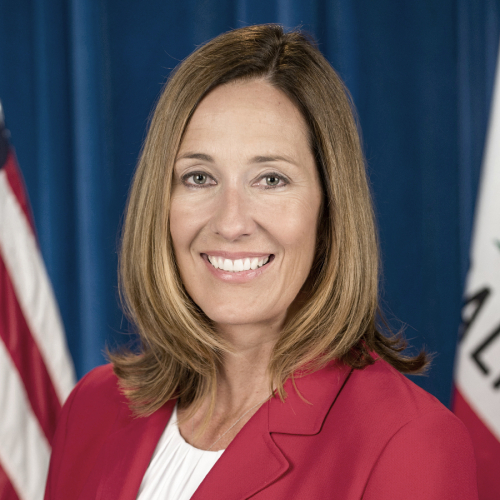






SB 1417: Mutual water companies: assessments and water charges: notice.
Existing law authorizes any corporation organized for or engaged in the business of selling, distributing, supplying, or delivering water for irrigation purposes, and requires any corporation organized for or engaged in the business of selling, distributing, supplying, or delivering water for domestic use, to provide in its articles or bylaws that water shall be sold, distributed, supplied, or delivered only to owners of its shares and that those shares are appurtenant to certain lands, as specified. Under existing law, these corporations are known as mutual water companies. This bill would prohibit a mutual water company from charging, issuing a bill, or otherwise seeking to hold tenants of shareholders responsible for the costs of water or its delivery, except for specified tenants, and would require all notices of charges for water to be sent to the last known address of the shareholder or tenant, as applicable, or by electronic mail if the shareholder or tenant, as applicable, has provided and verified the use of an electronic mail address to the company within the last year. Existing law authorizes a mutual water company that is not a public utility to levy assessments upon its shares, except as provided. This bill would require a mutual water company that operates a public water system and that proposes to levy an assessment or to increase the charge for water to shareholders by more than 20% to comply with specified notice and public meeting requirements before it seeks to collect the assessment or increase the water charge. The bill would require the mutual water company to prepare a written proposal at least 45 days before a public meeting to adopt a proposal to collect an assessment or to increase a water charge, as specified, and to convene a public meeting regarding the proposal, as provided. The bill would require the mutual water company to provide or send a copy of the written proposal and the notice of the public meeting, at least 45 days beforehand, to specified persons, along with other information, and to also provide or send a copy of the written proposal and the notice to a newspaper of general circulation or another specified communication outlet. The bill would also require the company to post a copy of the written proposal and the notice, at least 45 days beforehand, on the company's internet websites or social media platforms, as applicable. The bill would require the individual votes of board members of the mutual water company on the assessment or the increase of the water charge to be recorded in the minutes of the board meeting. The bill would prohibit the mutual water company from beginning to collect an assessment or increase a water charge earlier than 30 days after the public meeting where the proposed assessment is adopted. Existing law requires a mutual water company that operates a public water system to make certain records promptly available upon written request to an eligible person, as defined, upon payment of fees covering direct costs of duplication, including, among other documents, agendas and minutes of board meetings and copies of the mutual water company's annual budget and accounting report. Existing law defines "eligible persons" for purposes of this requirement to include, among others, shareholders of the mutual water company, a person who is an occupant, pursuant to a lease or rental agreement, of commercial space or a dwelling unit to which the mutual water company sells, distributes, supplies, or delivers drinking water, and an elected official of a city or county who represents people who receive drinking water directly from the mutual water company, as specified. This bill would additionally require a mutual water company to make available to those eligible persons, upon request, a copy of a written proposal to levy an assessment or to increase a water charge. The bill would also include as an eligible person, for purposes of all of the above-described provisions, the chief administrative officer for each city, county, and government water agency in the mutual water company's service area, as specified. The bill would prohibit a mutual water company that provides the requested records in digital form from charging for any duplication costs, as provided.