

Food vendors and facilities: enforcement activities.
Summary
(1) Existing law authorizes a local authority, as defined, to adopt a program to regulate sidewalk vendors if the program complies with specified standards. These standards include restricting the local authority from requiring a sidewalk vendor to operate within specific parts of the public right-of-way, except when that restriction is directly related to objective health, safety, or welfare concerns. A violation of these provisions is punishable only by an administrative fine, as specified. This bill would prohibit a local authority, except as otherwise required by state or federal law, from providing voluntary consent to any individual to access, review, or obtain certain records of the local authority that include personally identifiable information of any sidewalk vendors in the jurisdiction without a subpoena or judicial warrant. The bill would also prohibit a local authority and its personnel from disclosing or providing in writing, verbally, or in any other manner personally identifiable information of any sidewalk vendor that is requested, except pursuant to a subpoena or a valid judicial warrant. The bill would define "personally identifiable information," for these purposes, to include an individual's name, business name, home address, business address, birthdate, telephone number, California driver's license or identification, and other related information. The bill would also define "immigration enforcement" for these purposes. Existing law authorizes a local authority to adopt additional requirements regulating the time, place, and manner of sidewalk vending if the requirements are directly related to objective health, safety, or welfare concerns. These include requiring the sidewalk vendor to obtain from the local authority a permit or valid business license, provided that the local authority issuing the permit or business license accepts a California driver's license or identification number, an individual taxpayer identification number, or a municipal identification number in lieu of a social security number for the issuance of a permit or business license, and that the number collected is not disclosed, except as specified. This bill would also prohibit a local authority, in the above-described circumstances, from inquiring into or collecting information about an individual's immigration or citizenship status, place of birth, or individual criminal history, or requiring an applicant to submit fingerprints, complete a LiveScan fingerprinting, or submit to a background check as part of an application for a permit or business license. The bill would require a local authority that inquired into or collected information or documentation regarding an individual's place of birth or criminal history, required an applicant to submit fingerprints or complete a LiveScan fingerprinting, or performed a background check before January 1, 2026, to destroy those records on or before March 1, 2026, unless those records are expressly required by law to be preserved. The bill would provide that specified personally identifiable information collected by a local authority is exempt from disclosure under the California Public Records Act. This bill would prohibit an agency or department of a local authority, including any nonpublic entity working on the local authority's behalf, as provided, from using local authority moneys or personnel to investigate, interrogate, detain, detect, or arrest persons for certain purposes, and from engaging in specified activities related to immigration enforcement, when enforcing certain provisions regulating sidewalk vendors. The bill, for specified contracts between a nonpublic entity and a local authority entered into or modified on or after January 1, 2026, would require a nonpublic entity to explicitly agree to adhere to these provisions and would immediately terminate the contract if it is found that the nonpublic entity has violated these provisions. (2) Existing law, the California Retail Food Code (the code) , establishes uniform health and sanitation standards for, and provides for regulation by the State Department of Public Health of, retail food facilities and requires local health agencies to enforce these provisions. Existing law requires compact mobile food operations to meet specified health and safety standards. For purposes of the code, a "compact mobile food operation," means a mobile food facility that operates from an individual or from a pushcart, stand, display, pedal-driven cart, wagon, showcase, rack, or other nonmotorized conveyance. Existing law makes a violation of these provisions by an operator or employee of a compact mobile food operation or a sidewalk vendor punishable only by an administrative fine, as specified. This bill would prohibit an enforcement agency, including any nonpublic entity working on the enforcement agency's behalf, as provided, from using enforcement agency moneys or personnel to investigate, interrogate, detain, detect, or arrest persons for certain purposes, and from engaging in specified activities related to immigration enforcement, when enforcing certain provisions regulating compact mobile food operations. The bill, for specified contracts between a nonpublic entity and an enforcement agency entered into or modified on or after January 1, 2026, would require a nonpublic entity to explicitly agree to adhere to these provisions and would immediately terminate the contract if it is found that the nonpublic entity has violated these provisions. This bill would also prohibit an enforcement agency from providing voluntary consent to any individual to access, review, or obtain certain records of the enforcement agency that include personally identifiable information of any sidewalk vendor or operator or employee of a compact mobile food operation in the jurisdiction without a subpoena or judicial warrant. The bill would further prohibit a local authority and its personnel from disclosing or providing in writing, verbally, or in any other manner personally identifiable information of any sidewalk vendor that is requested, except pursuant to a subpoena or a valid judicial warrant. Existing law prohibits a food facility from being open for business without a valid permit and requires a permit to be issued by the enforcement agency when investigation has determined that the proposed facility and its methods of operation conform to code requirements. This bill would require a permit application for a compact mobile food operation to comply with specified requirements. In this regard, the bill would require an enforcement agency to accept a California driver's license or identification number, an individual taxpayer identification, or a municipal identification number in lieu of a social security number. The bill would also prohibit an enforcement agency from, among other things, inquiring into the individual's immigration status, citizenship status, or criminal history, as prescribed. The bill would further require an enforcement agency that inquired into or collected information or documentation regarding an individual's place of birth or criminal history, required an applicant to submit fingerprints or complete a LiveScan fingerprinting, or performed a background check before January 1, 2026, to destroy those records on or before March 1, 2026, unless those records are expressly required by law to be preserved. The bill would provide that specified personally identifiable information collected by an enforcement agency is exempt from disclosure under the California Public Records Act. The bill would make other related changes to these provisions. To the extent the bill would impose new requirements on local governmental agencies, it would create a state-mandated local program. Existing constitutional provisions require that a statute that limits the right of access to the meetings of public bodies or the writings of public officials and agencies be adopted with findings demonstrating the interest protected by the limitation and the need for protecting that interest. This bill would make legislative findings to that effect. The California Constitution requires the state to reimburse local agencies and school districts for certain costs mandated by the state. Statutory provisions establish procedures for making that reimbursement. This bill would provide that, if the Commission on State Mandates determines that the bill contains costs mandated by the state, reimbursement for those costs shall be made pursuant to the statutory provisions noted above.
Bill status
signed
all 5 stages cleared
Introduction
Feb 2025
Committee Review
Jul 2025
Senate Passage
Jun 2025
Assembly Passage
Sep 2025
Signed into Law
Oct 2025
Introduced Feb 20, 2025
Signed Oct 7, 2025
Maddy AI version diff · 9 comparisons
What changed between versions
10/07/25 - Chaptered
→
SB635
·
1 edit
MINOR
No substantive policy changes occurred between these two versions. The difference is purely presentational: the 'From' version is the official chaptered document with formal headers, page numbers, and column formatting, while the 'To' version is a web-based rendering of the same bill text from the California Legislature website, complete with navigation menus and site metadata.
TECHNICAL
The bill text was reformatted from an official chaptered document (with 'STATE OF CALIFORNIA AUTHENTICATED ELECTRONIC LEGISLATIVE MATERIAL' header, page numbers, and column headers) into a web page layout that includes site navigation elements (home, accessibility, FAQ, sitemap, login), quick search fields, and metadata such as publication date and vote/appropriation/fiscal committee designations.
Floor votes · Senate Jun 3, 2025 · Assembly Sep 12, 2025
How they voted
28–10
Passed · 2 other
Total votes 40
Jun 3, 2025
D
Democratic30
93% Yea
R
Republican10
100% Nay
Vote distribution
All Yea
All Nay
Mixed
No data
Full legislative history
Actions timeline
Total actions
35
Key actions
16
Committee
5
Amendments
11
Oct 7, 2025
Signed into law
Approved by the Governor.
legislature
Sep 13, 2025
Upper · Passed
Assembly amendments concurred in. (Ayes 29. Noes 8. Page 3024.) Ordered to engrossing and enrolling.
upper
Sep 12, 2025
Introduced
In Senate. Concurrence in Assembly amendments pending.
upper
Sep 12, 2025
Lower · Passed
Read third time. Passed. (Ayes 58. Noes 15. Page 3393.) Ordered to the Senate.
lower
Sep 4, 2025
Lower · Passed
Read third time and amended.
lower
Sep 2, 2025
Lower · Passed
Read second time and amended. Ordered to second reading.
lower
Aug 29, 2025
Lower · Passed
From committee: Do pass as amended. (Ayes 11. Noes 4.) (August 29).
lower
Jul 16, 2025
Lower · Passed
From committee: Do pass and re-refer to Com. on APPR. (Ayes 7. Noes 0.) (July 15). Re-referred to Com. on APPR.
lower
Jul 3, 2025
Lower · Passed
From committee: Do pass and re-refer to Com. on PUB. S. (Ayes 8. Noes 1.) (July 2). Re-referred to Com. on PUB. S.
lower
Jun 9, 2025
Committee
Referred to Coms. on L. GOV. and PUB. S.
lower
Jun 3, 2025
Upper · Passed
Read third time. Passed. (Ayes 28. Noes 10. Page 1437.) Ordered to the Assembly.
upper
May 29, 2025
Upper · Passed
Read third time and amended.
upper
May 19, 2025
Upper · Passed
From committee: Be ordered to second reading pursuant to Senate Rule 28.8.
upper
May 1, 2025
Upper · Passed
Read second time and amended. Re-referred to Com. on APPR.
upper
Apr 30, 2025
Upper · Passed
From committee: Do pass as amended and re-refer to Com. on APPR. (Ayes 5. Noes 1. Page 945.) (April 29).
upper
Apr 7, 2025
Upper · Passed
Read second time and amended. Re-referred to Com. on PUB. S.
upper
Apr 3, 2025
Upper · Passed
From committee: Do pass as amended and re-refer to Com. on PUB. S. (Ayes 5. Noes 2. Page 637.) (April 2).
upper
Mar 26, 2025
Upper · Passed
From committee with author's amendments. Read second time and amended. Re-referred to Com. on L. GOV.
upper
Mar 19, 2025
Committee
Referred to Coms. on L. GOV. and PUB. S.
upper
Feb 20, 2025
Introduced
Introduced. Read first time. To Com. on RLS. for assignment. To print.
upper
1 primary · 11 co-sponsors
Sponsors
Role
Legislator
Party
State
District
P
ME
María Elena Durazo
DDemocratic
Co
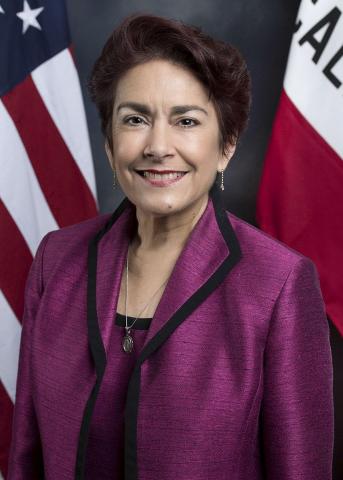
Anna Caballero
DDemocratic
Co
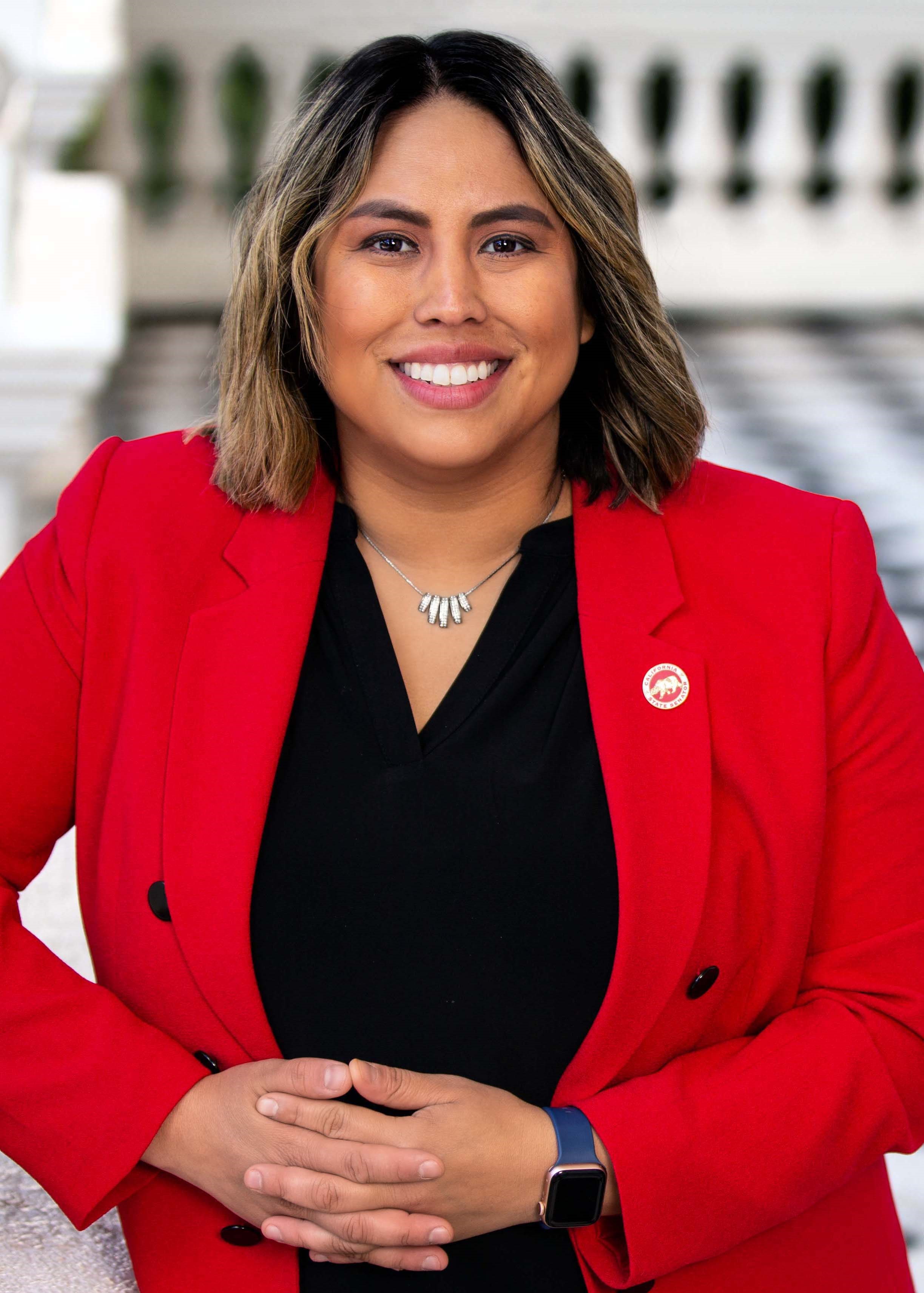
Caroline Menjivar
DDemocratic
Co
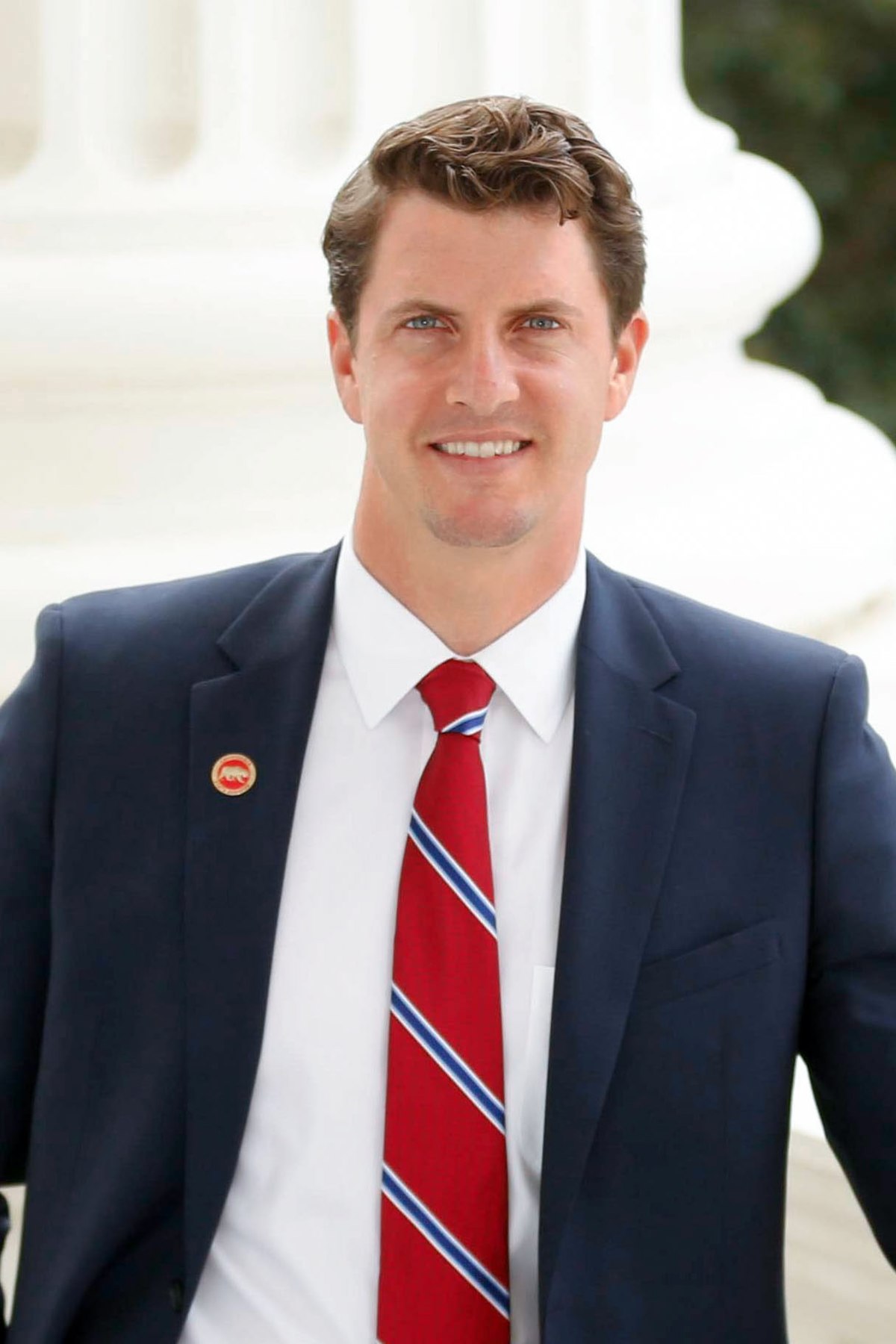
Henry Stern
DDemocratic
Co
JA
Jesse Arreguín
DDemocratic
Co
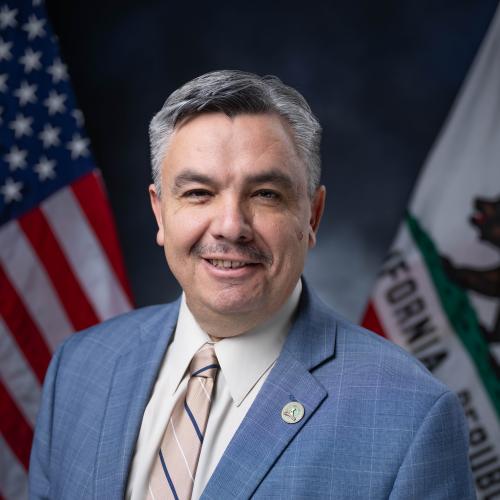
Juan Carrillo
DDemocratic
Co

Lena Gonzalez
DDemocratic
Co
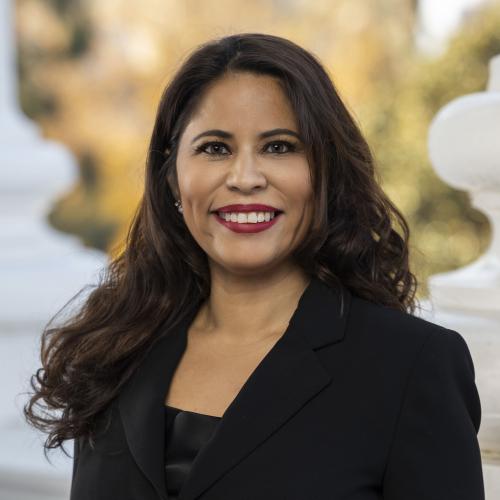
Liz Ortega
DDemocratic
Co
MG
Mark González
DDemocratic
Co
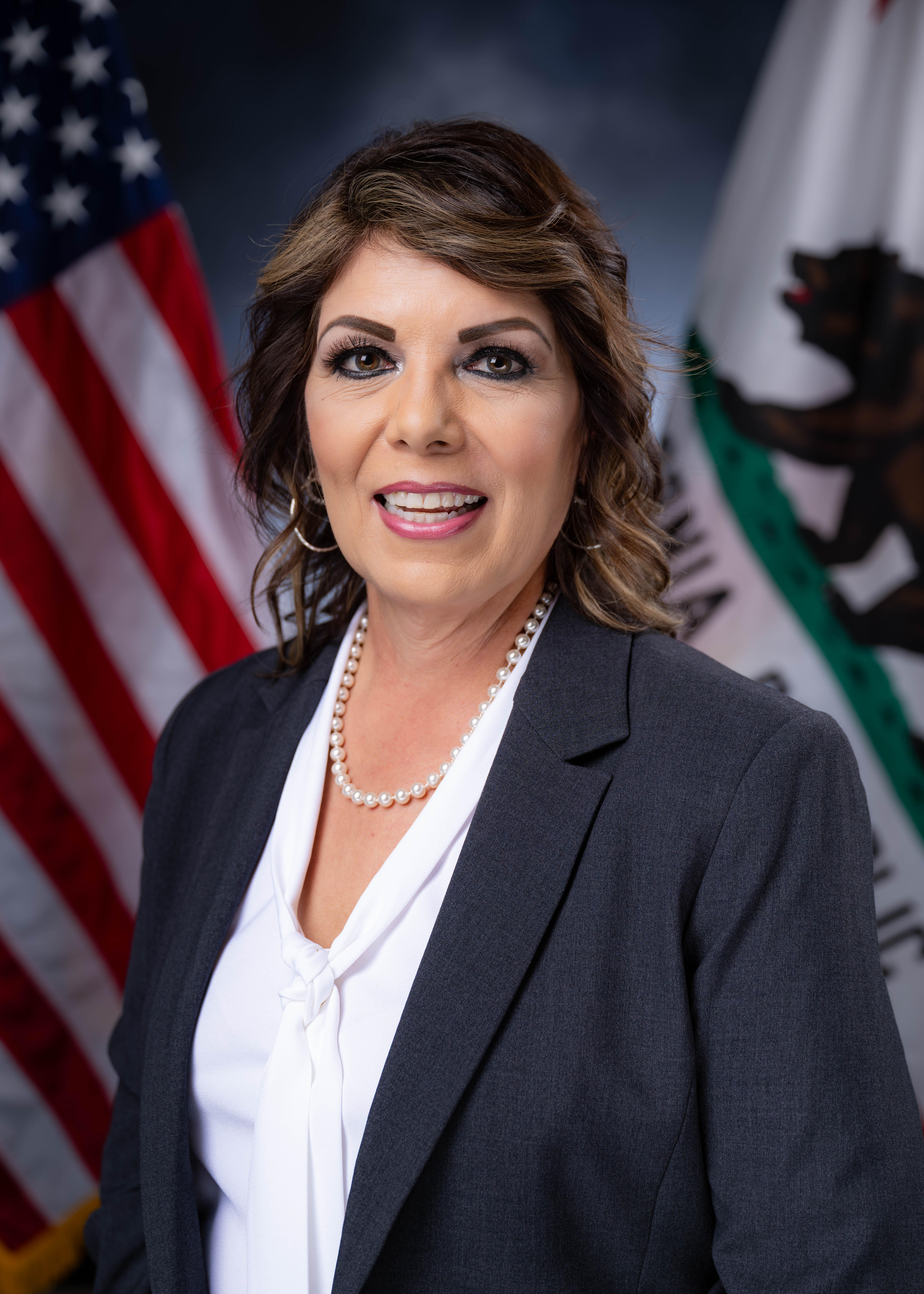
Michelle Rodriguez
DDemocratic
Co
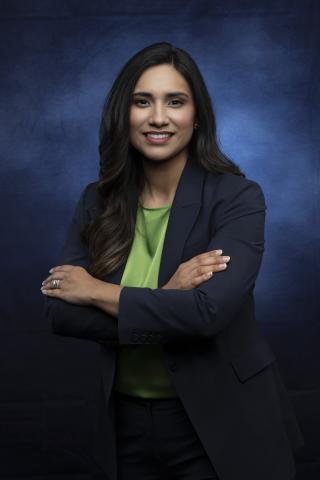
Sabrina Cervantes
DDemocratic
Ask Maddy
·
AI policy assistant
Ask Maddy about SB 635
Scope: CA
Hi! I can help you understand SB 635. What would you like to know?
Try one of these
i
Maddy answers using official bill text and legislative records. Always verify before sharing.
Sources cited inline