

Juveniles: wards: case plans.
Summary
Under existing law, a minor who is 12 to 17 years of age when they violate any criminal law in this state, except an ordinance establishing a curfew based solely on age, or a minor under 12 years of age if they commit certain serious offenses, is within the jurisdiction of the juvenile court, which may adjudge the person a ward of the court. Existing law requires, after finding that the minor is within the jurisdiction of the juvenile court, the court to hear evidence on the question of the proper disposition to be made of the minor and requires the court to receive in evidence a social study of the minor made by the probation officer. Existing law requires, when the probation officer recommends the minor to be placed in foster care, or if the minor is already in foster care placement or pending placement pursuant to an earlier order, the social study to include a case plan with specified components. This bill would also require a case plan, with specified components, to be developed and included in the social study in cases in which the probation officer recommends wardship and either does not recommend removal of the minor from their parent or guardian, or recommends commitment of the minor to a juvenile home, ranch, camp, forestry camp, or juvenile hall. The bill would also require the court to order a minor to comply with any case plan that is developed and to review the ward's progress toward meeting the goals in a case plan at a hearing no less than once every 6 months. By increasing the duties of county probation officers, this bill would impose a state-mandated local program. The California Constitution requires the state to reimburse local agencies and school districts for certain costs mandated by the state. Statutory provisions establish procedures for making that reimbursement. This bill would provide that, if the Commission on State Mandates determines that the bill contains costs mandated by the state, reimbursement for those costs shall be made pursuant to the statutory provisions noted above.
Bill status
failed
1 of 4 stages cleared
Introduction
Feb 2025
Committee Review
Floor Vote
Governor
Introduced Feb 20, 2025
Last action Feb 2, 2026
Maddy AI version diff · 1 comparison
What changed between versions
02/20/25 - Introduced
→
SB552
·
1 edit
MINOR
This diff reflects a change in how the bill is presented rather than any substantive policy change. The bill text moved from a traditional legislative document format (with line numbers and page headers) to a web-based bill tracking system with navigation menus and search tools. The actual legal provisions of SB 552 remain identical between the two versions.
TECHNICAL
The bill's presentation format changed from a formatted legislative document with line numbers and page headers to a web-based bill tracking interface with navigation elements (home, search, subscriptions, etc.). No changes were made to the substantive legal text of the bill.
Floor votes
How they voted
No floor votes recorded yet.
Full legislative history
Actions timeline
Total actions
10
Key actions
2
Committee
3
May 23, 2025
Upper · Passed
May 23 hearing: Held in committee and under submission.
upper
Apr 1, 2025
Upper · Passed
From committee: Do pass and re-refer to Com. on APPR. with recommendation: To consent calendar. (Ayes 6. Noes 0. Page 612.) (April 1). Re-referred to Com. on APPR.
upper
Mar 5, 2025
Committee
Referred to Com. on PUB. S.
upper
Feb 20, 2025
Introduced
Introduced. Read first time. To Com. on RLS. for assignment. To print.
upper
1 primary · 0 co-sponsors
Sponsors
Role
Legislator
Party
State
District
P
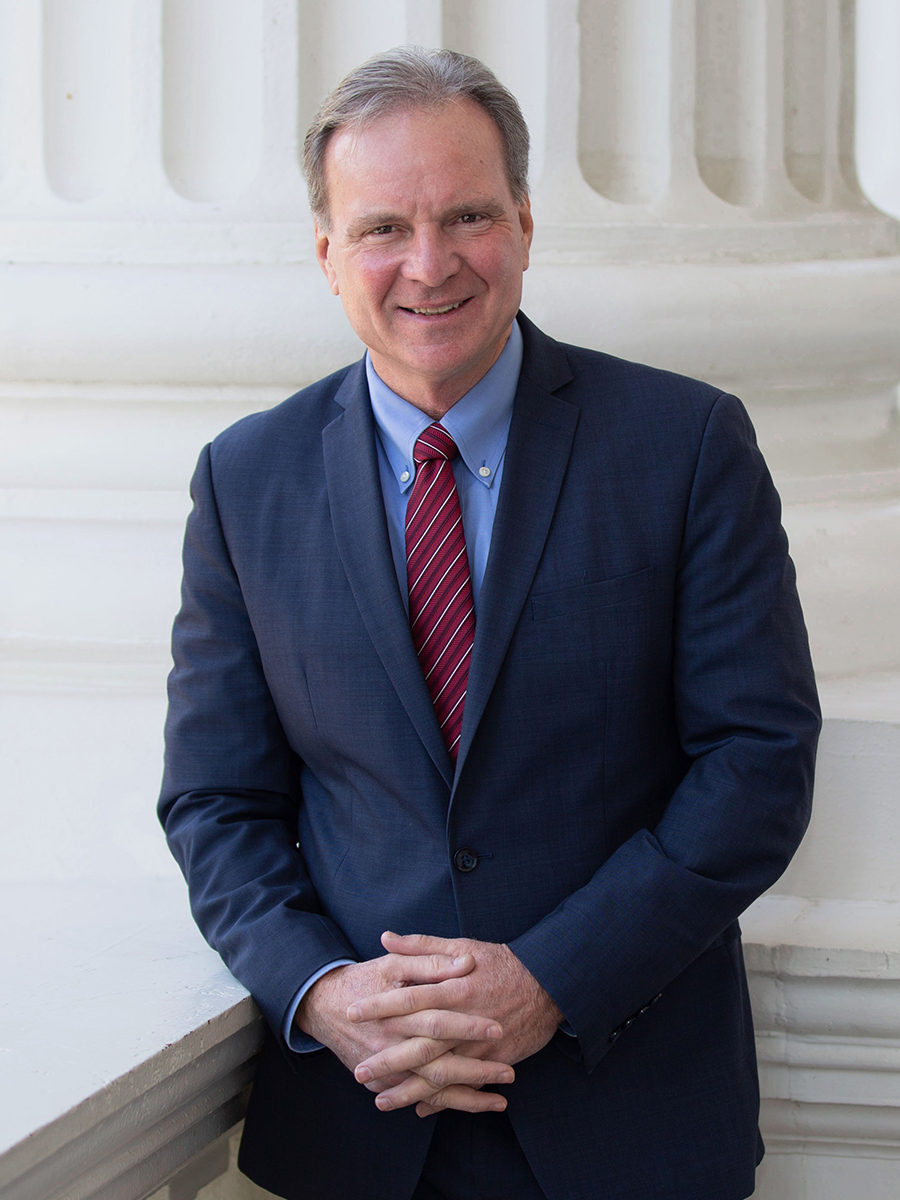
Dave Cortese
DDemocratic
Ask Maddy
·
AI policy assistant
Ask Maddy about SB 552
Scope: CA
Hi! I can help you understand SB 552. What would you like to know?
Try one of these
i
Maddy answers using official bill text and legislative records. Always verify before sharing.
Sources cited inline