

Ignition interlock devices.
Summary
Existing law, commencing January 1, 2019, made various changes to the law governing ignition interlock devices (IID) , including, among other things, requiring a person who has been convicted of driving a motor vehicle under the influence of an alcoholic beverage, as specified, to install for a specified period of time as ordered by the court, an IID on the vehicle they operate, provided however that installation of an IID is discretionary for a first offender, as specified; authorizing a person convicted of driving a motor vehicle under the influence, if all other requirements are satisfied, including the installation of an IID, to apply for a restricted driver's license without completing a period of license suspension or revocation; and requiring ignition interlock device manufacturers to be in compliance with specified provisions relating to payment for the costs of an ignition interlock device. Existing law makes these changes operative until January 1, 2026. On January 1, 2026, existing law, as it relates to these provisions, is generally reinstated to read as it read prior to January 1, 2019. Existing law makes it a crime to violate certain provisions relating to IIDs and motor vehicles equipped with IIDs. This bill would extend the operation of these provisions until January 1, 2033, and would instead reinstate the law to how it read prior to January 1, 2019, on January 1, 2033. By extending the application of a crime, the bill would impose a state-mandated local program. Existing law requires the Department of Motor Vehicles to report specified data to the Transportation Agency regarding the implementation and efficacy of the statewide ignition interlock device program described above and requires the agency to report the outcomes of the program to the Legislature no later than January 1, 2025. This bill would similarly require the department to provide updated data regarding the continued implementation and efficacy of the program to the agency and require the agency to report updated program outcomes to the Legislature by no later than July 1, 2031. The bill would repeal these provisions on July 1, 2035. The California Constitution requires the state to reimburse local agencies and school districts for certain costs mandated by the state. Statutory provisions establish procedures for making that reimbursement. This bill would provide that no reimbursement is required by this act for a specified reason.
Bill status
failed
1 of 4 stages cleared
Introduction
Dec 2024
Committee Review
Floor Vote
Governor
Introduced Dec 11, 2024
Last action Feb 2, 2026
Maddy AI version diff · 2 comparisons
What changed between versions
03/05/25 - Amended Assembly
→
AB71
·
3 edits
MINOR
AB 71 extends California's ignition interlock device (IID) program provisions from a sunset date of January 1, 2026 to January 1, 2033, and shifts the legislative reporting deadline from January 1, 2025 to July 1, 2031. The bill also sets a repeal date of July 1, 2035 for the reporting requirements. This is significant because without extension, the IID mandates for DUI offenders would have expired in early 2026, reverting the law to its pre-2019 version.
Scope change
The bill does not change who is covered by the IID requirements or what those requirements are. It solely extends the time period during which the existing 2019-era IID framework remains in effect, pushing the expiration from 2026 to 2033 and delaying the legislative review report from 2025 to 2031.
TIMELINE
The sunset date for all ignition interlock device provisions (including mandatory IID installation for DUI convictions, restricted license eligibility tied to IID use, and related criminal penalties) is extended from January 1, 2026 to January 1, 2033.
The deadline for the Transportation Agency to report program outcomes to the Legislature is changed from January 1, 2025 to July 1, 2031, and those reporting provisions are repealed on July 1, 2035.
SCOPE
By extending the application of criminal penalties related to IID violations, the bill imposes a state-mandated local program (requiring local agencies to enforce the extended criminal provisions).
Floor votes
How they voted
No floor votes recorded yet.
Full legislative history
Actions timeline
Total actions
11
Key actions
4
Committee
6
Amendments
2
Feb 2, 2026
Lower · Passed
From committee: Filed with the Chief Clerk pursuant to Joint Rule 56.
lower
May 23, 2025
Lower · Passed
In committee: Held under submission.
lower
Apr 9, 2025
Committee
In committee: Set, first hearing. Referred to APPR. suspense file.
lower
Mar 6, 2025
Committee
Re-referred to Com. on APPR.
lower
Mar 5, 2025
Lower · Passed
Read second time and amended.
lower
Mar 4, 2025
Introduced
From committee: Amend, and do pass as amended and re-refer to Com. on APPR. (Ayes 9. Noes 0.) (March 4).
lower
Feb 18, 2025
Committee
Referred to Com. on PUB. S.
lower
Dec 12, 2024
Lower · Passed
From printer. May be heard in committee January 11.
lower
Dec 11, 2024
Introduced
Introduced. To print.
lower
1 primary · 0 co-sponsors
Sponsors
Role
Legislator
Party
State
District
P
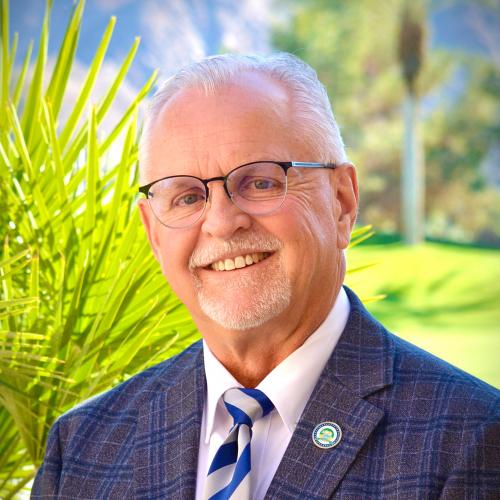
Tom Lackey
RRepublican
Ask Maddy
·
AI policy assistant
Ask Maddy about AB 71
Scope: CA
Hi! I can help you understand AB 71. What would you like to know?
Try one of these
i
Maddy answers using official bill text and legislative records. Always verify before sharing.
Sources cited inline