

Employment: labor organization and unfair practices.
Summary
Existing law declares the public policy of the state regarding labor organization, including, among other things, that it is necessary for a worker to have full freedom of association, self-organization, and designation of representatives of their own choosing, to negotiate the terms and conditions of their employment, and to be free from the interference, restraint, or coercion of employers of labor, or their agents, in the designation of such representatives or in self-organization or in other concerted activities for the purpose of collective bargaining or other mutual aid or protection. Existing law establishes the Public Employment Relations Board (PERB) in state government as a means of resolving disputes and enforcing the statutory duties and rights of specified public employers and employees under various acts regulating collective bargaining. Under existing law, PERB has the power and duty to investigate an unfair practice charge and to determine whether the charge is justified and the appropriate remedy for the unfair practice. Existing law, the federal National Labor Relations Act (NLRA) , establishes a comprehensive statutory scheme regulating unfair labor practices on the part of employers and labor organizations in industries affecting interstate commerce, and vests in the National Labor Relations Board (NLRB) the power to conduct elections to determine employee representatives and to prevent unfair labor practices affecting commerce. Existing law, the California Public Records Act, requires that public records, as defined, be available to the public for inspection and made promptly available to any person. This bill would expand PERB's jurisdiction by authorizing a worker, to petition PERB to protect and enforce prescribed rights under specified circumstances, including if the worker is employed in a position subject to the NLRA but the NLRB has expressly or impliedly ceded jurisdiction. The bill would authorize PERB to, among other things, decide unfair labor practice cases pursuant to a specified timeline and order all appropriate relief for a violation, including civil penalties, as prescribed. In order to pursue relief from PERB, the bill would require a covered worker or their representative to file an unfair practice charge or petition that includes specified information, including, where applicable, the original charge or petition filed with the NLRB. The bill would require PERB to hold the supporting documentation and evidence confidential and maintain it as part of its investigatory file and would exempt this documentation and evidence from the California Public Records Act. If PERB determines, among other things, it has insufficient resources to process certain cases or doing so would prevent it from meeting specified statutory deadlines, the bill would require PERB to process and prioritize charges, as specified. The bill would also establish the Public Employment Relations Board Enforcement Fund (fund) in the State Treasury, would require the above-described civil penalties to be deposited into the fund, and would make moneys in the fund available upon appropriation by the Legislature to PERB for the purpose of administering the above-specified provisions. The bill would authorize PERB to rely on its own decisions and precedent under the NLRA and would authorize review of its decisions by a state appellate court, as specified. Existing law, the Alatorre-Zenovich-Dunlap-Berman Agricultural Labor Relations Act of 1975, grants agricultural employees the right to form and join labor organizations and engage in collective bargaining, as specified, and prohibits agricultural employers and labor organizations from engaging in unfair labor practices. Those provisions establish the Agricultural Labor Relations Board (ALRB) and empower the ALRB to prevent any person from engaging in those practices. Existing law establishes various definitions for these purposes. Existing law requires the ALRB to follow applicable precedents of the NLRA. This bill would specify that the ALRB has exclusive jurisdiction in all phases of the administration of the act, and to determine whether any person or entity meets one or more of those definitions. The bill would instead authorize the board to follow applicable precedents of the NLRA, but would not obligate the board to follow precedents where the ALRB deems it inappropriate to do so. This bill would make related findings and declarations and would make its provisions severable. Existing constitutional provisions require that a statute that limits the right of access to the meetings of public bodies or the writings of public officials and agencies be adopted with findings demonstrating the interest protected by the limitation and the need for protecting that interest. This bill would make legislative findings to that effect.
Bill status
signed
all 5 stages cleared
Introduction
Jan 2025
Committee Review
Aug 2025
Assembly Passage
Jun 2025
Senate Passage
Sep 2025
Signed into Law
Sep 2025
Introduced Jan 22, 2025
Signed Sep 30, 2025
Floor votes · Senate Sep 9, 2025 · Assembly Jun 2, 2025
How they voted
30–10
Passed
Total votes 40
Sep 9, 2025
D
Democratic30
100% Yea
R
Republican10
100% Nay
Vote distribution
All Yea
All Nay
Mixed
No data
Full legislative history
Actions timeline
Total actions
33
Key actions
13
Committee
12
Amendments
9
Sep 30, 2025
Signed into law
Approved by the Governor.
legislature
Sep 10, 2025
Lower · Passed
Senate amendments concurred in. To Engrossing and Enrolling. (Ayes 67. Noes 5. Page 3194.).
lower
Sep 9, 2025
Introduced
In Assembly. Concurrence in Senate amendments pending.
lower
Sep 9, 2025
Upper · Passed
Read third time. Passed. Ordered to the Assembly. (Ayes 30. Noes 10. Page 2729.).
upper
Sep 5, 2025
Upper · Passed
Read third time and amended. Ordered to second reading.
upper
Aug 29, 2025
Upper · Passed
Read second time and amended. Ordered returned to second reading.
upper
Aug 29, 2025
Introduced
From committee: Amend, and do pass as amended. (Ayes 5. Noes 2.) (August 29).
upper
Aug 18, 2025
Committee
In committee: Referred to suspense file.
upper
Jul 9, 2025
Upper · Passed
From committee: Do pass and re-refer to Com. on APPR. (Ayes 11. Noes 1.) (July 8). Re-referred to Com. on APPR.
upper
Jun 26, 2025
Upper · Passed
In committee: Hearing postponed by committee.
upper
Jun 19, 2025
Upper · Passed
Read second time and amended. Re-referred to Com. on JUD.
upper
Jun 18, 2025
Introduced
From committee: Amend, and do pass as amended and re-refer to Com. on JUD. (Ayes 4. Noes 1.) (June 18).
upper
Jun 11, 2025
Committee
Referred to Coms. on L., P.E. & R. and JUD.
upper
Jun 2, 2025
Lower · Passed
Read third time. Passed. Ordered to the Senate. (Ayes 68. Noes 2. Page 1818.)
lower
May 23, 2025
Lower · Passed
From committee: Do pass. (Ayes 12. Noes 0.) (May 23).
lower
May 7, 2025
Committee
In committee: Set, first hearing. Referred to APPR. suspense file.
lower
Apr 24, 2025
Lower · Passed
From committee: Do pass and re-refer to Com. on APPR. (Ayes 7. Noes 0.) (April 23). Re-referred to Com. on APPR.
lower
Apr 22, 2025
Committee
Re-referred to Com. on L. & E.
lower
Apr 21, 2025
Introduced
From committee chair, with author's amendments: Amend, and re-refer to Com. on L. & E. Read second time and amended.
lower
Apr 2, 2025
Lower · Passed
From committee: Do pass and re-refer to Com. on L. & E. (Ayes 6. Noes 0.) (April 2). Re-referred to Com. on L. & E.
lower
Mar 25, 2025
Committee
Re-referred to Com. on P. E. & R.
lower
Mar 24, 2025
Introduced
From committee chair, with author's amendments: Amend, and re-refer to Com. on P. E. & R. Read second time and amended.
lower
Feb 10, 2025
Committee
Referred to Com. on P. E. & R.
lower
Jan 23, 2025
Lower · Passed
From printer. May be heard in committee February 22.
lower
1 primary · 41 co-sponsors
Sponsors
Role
Legislator
Party
State
District
P
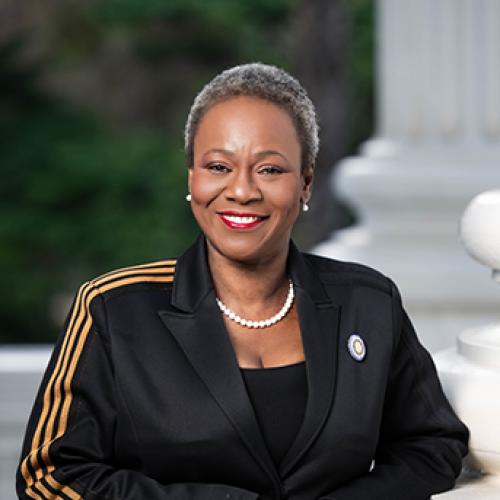
Tina McKinnor
DDemocratic
Co

Avelino Valencia
DDemocratic
Co
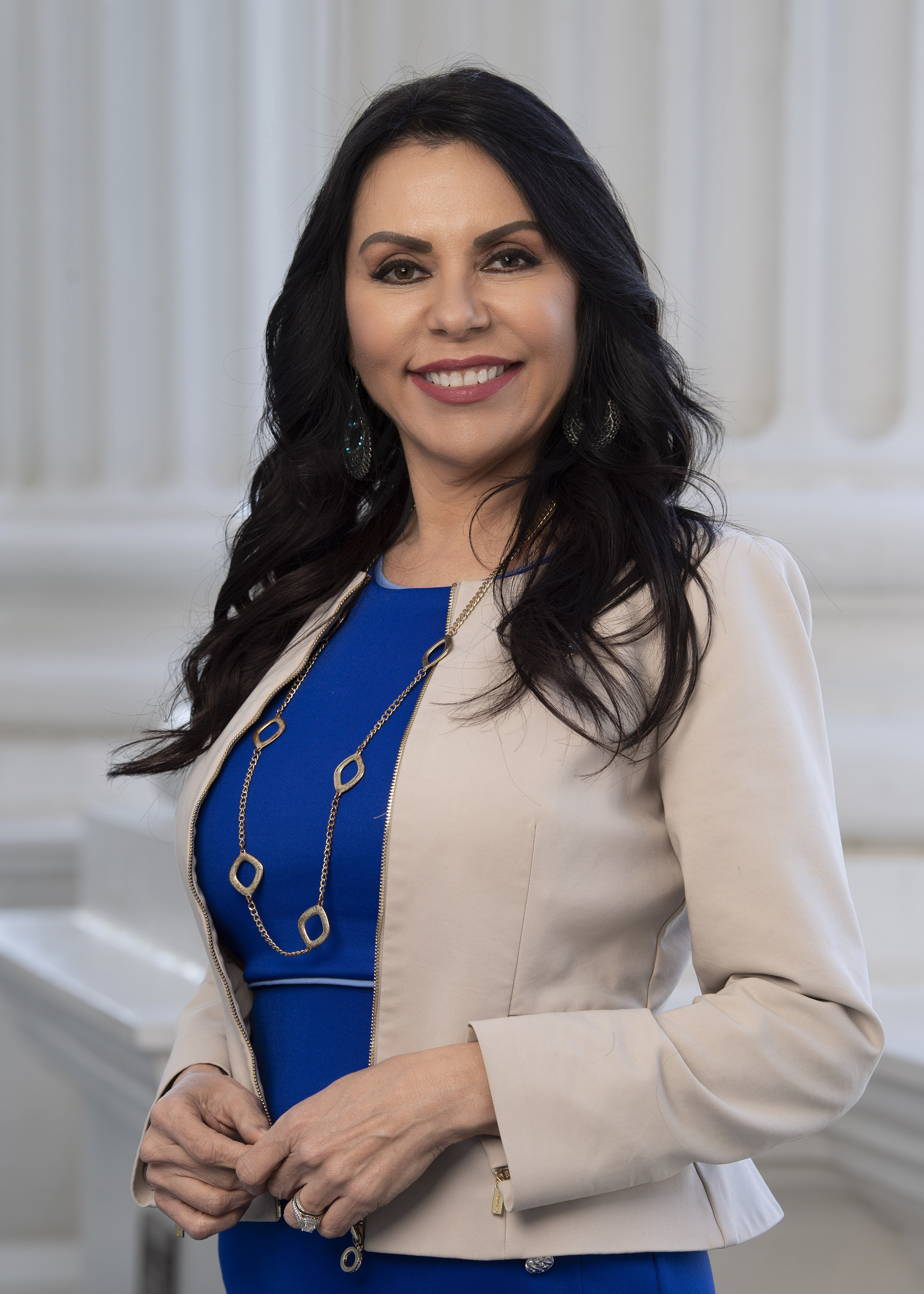
Blanca Rubio
DDemocratic
Co
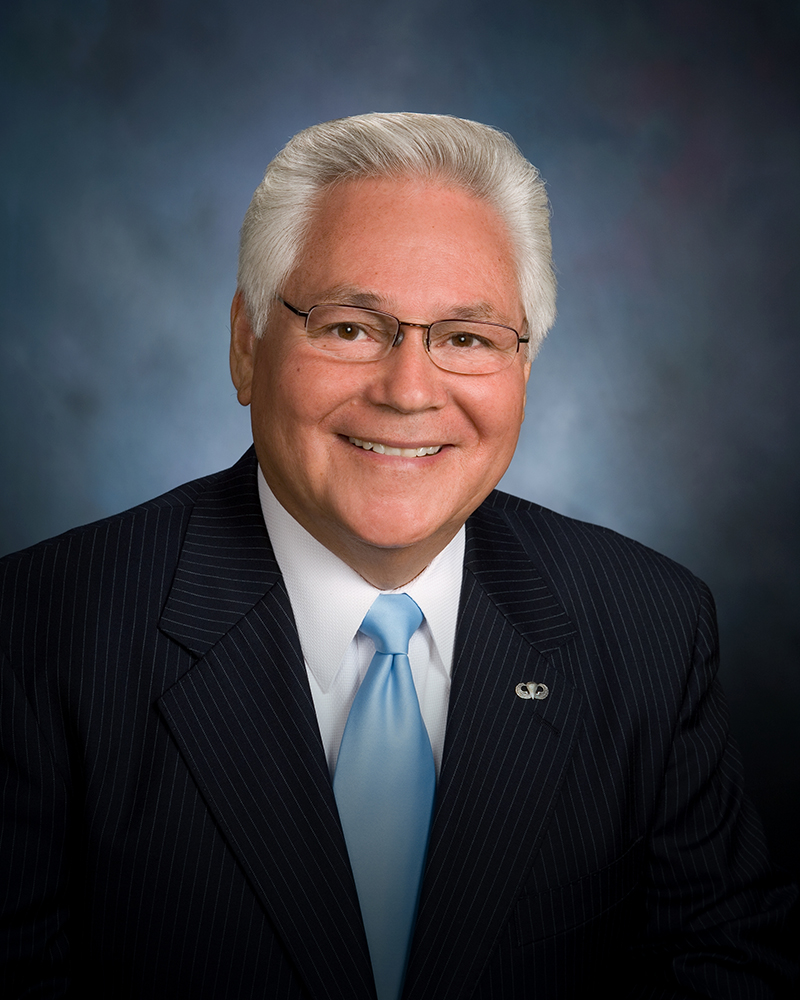
Bob Archuleta
DDemocratic
Co
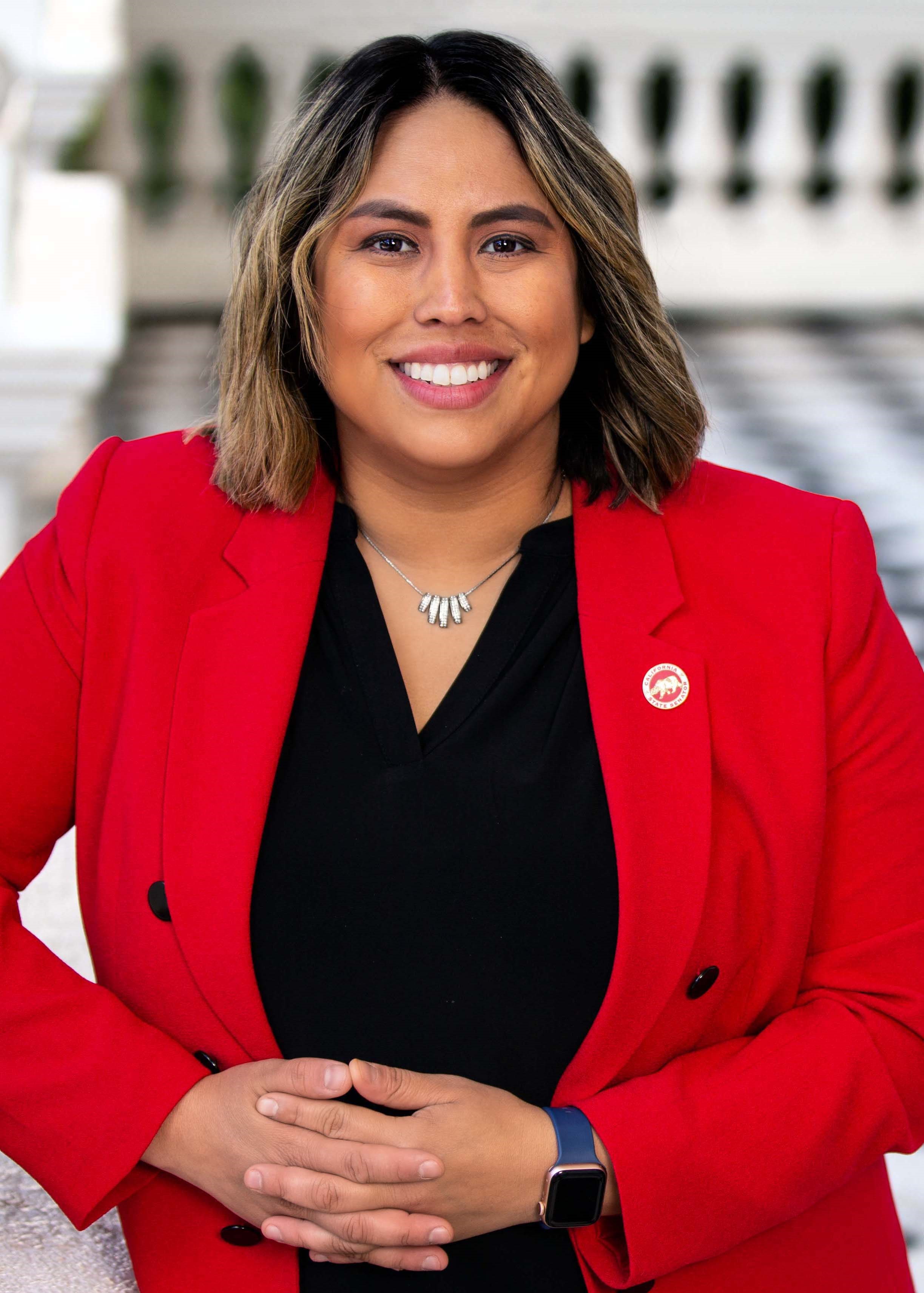
Caroline Menjivar
DDemocratic
Co

Catherine Blakespear
DDemocratic
Co
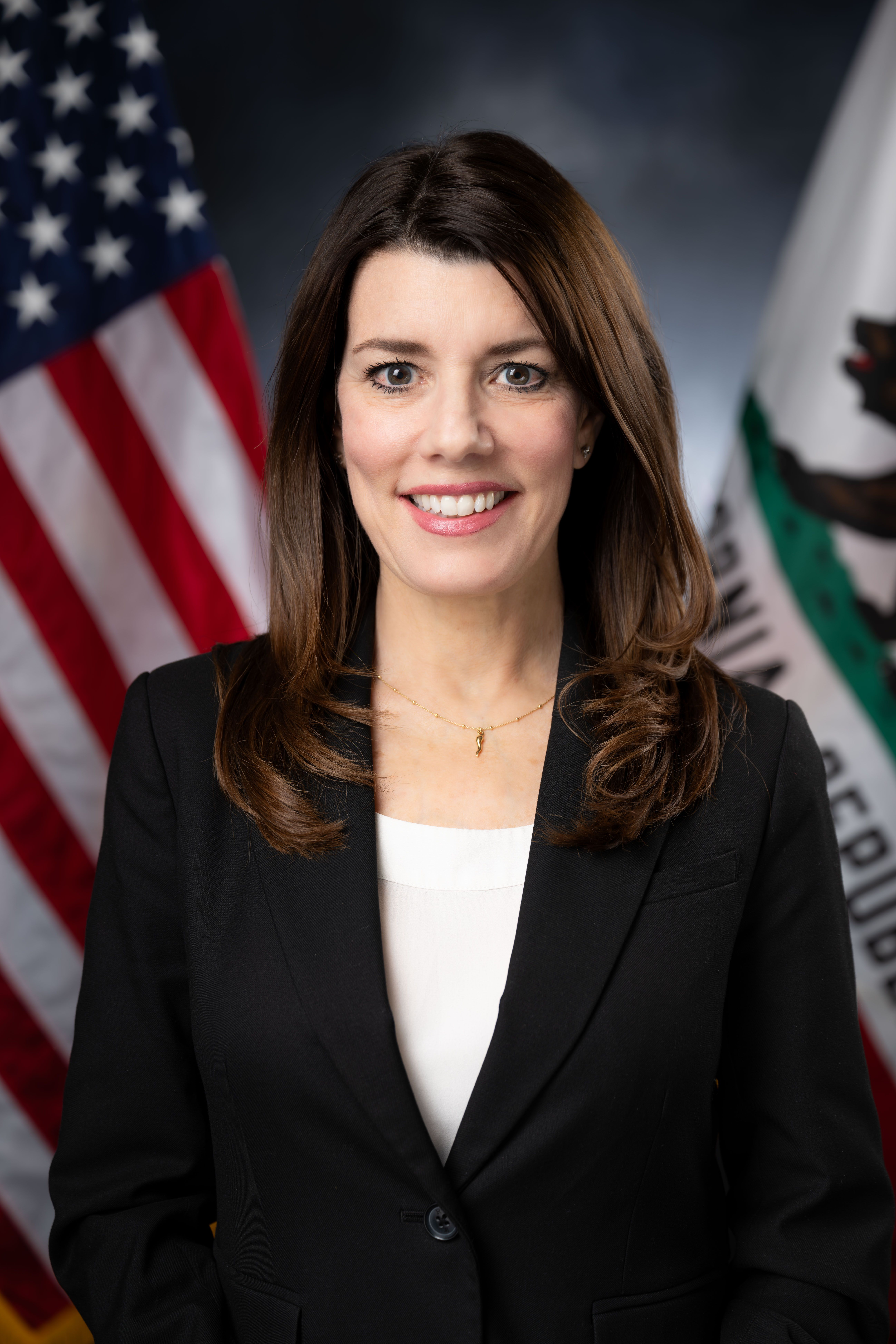
Catherine Stefani
DDemocratic
Co
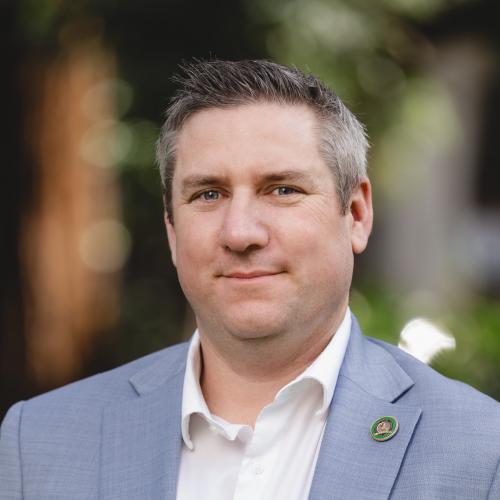
Chris Rogers
DDemocratic
Co
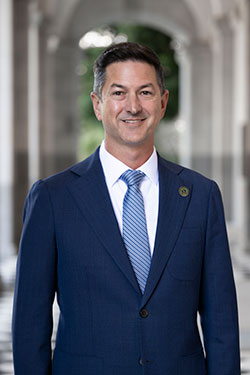
Chris Ward
DDemocratic
Co
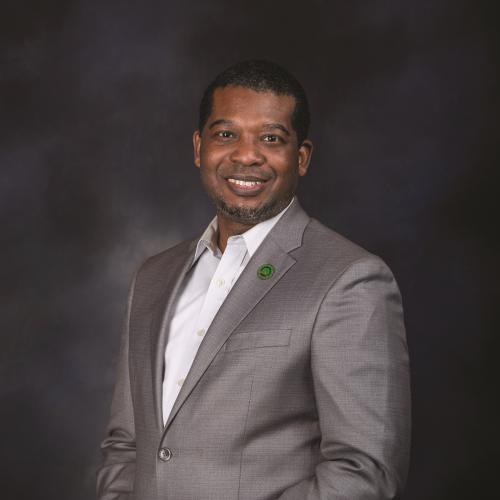
Corey Jackson
DDemocratic
Co
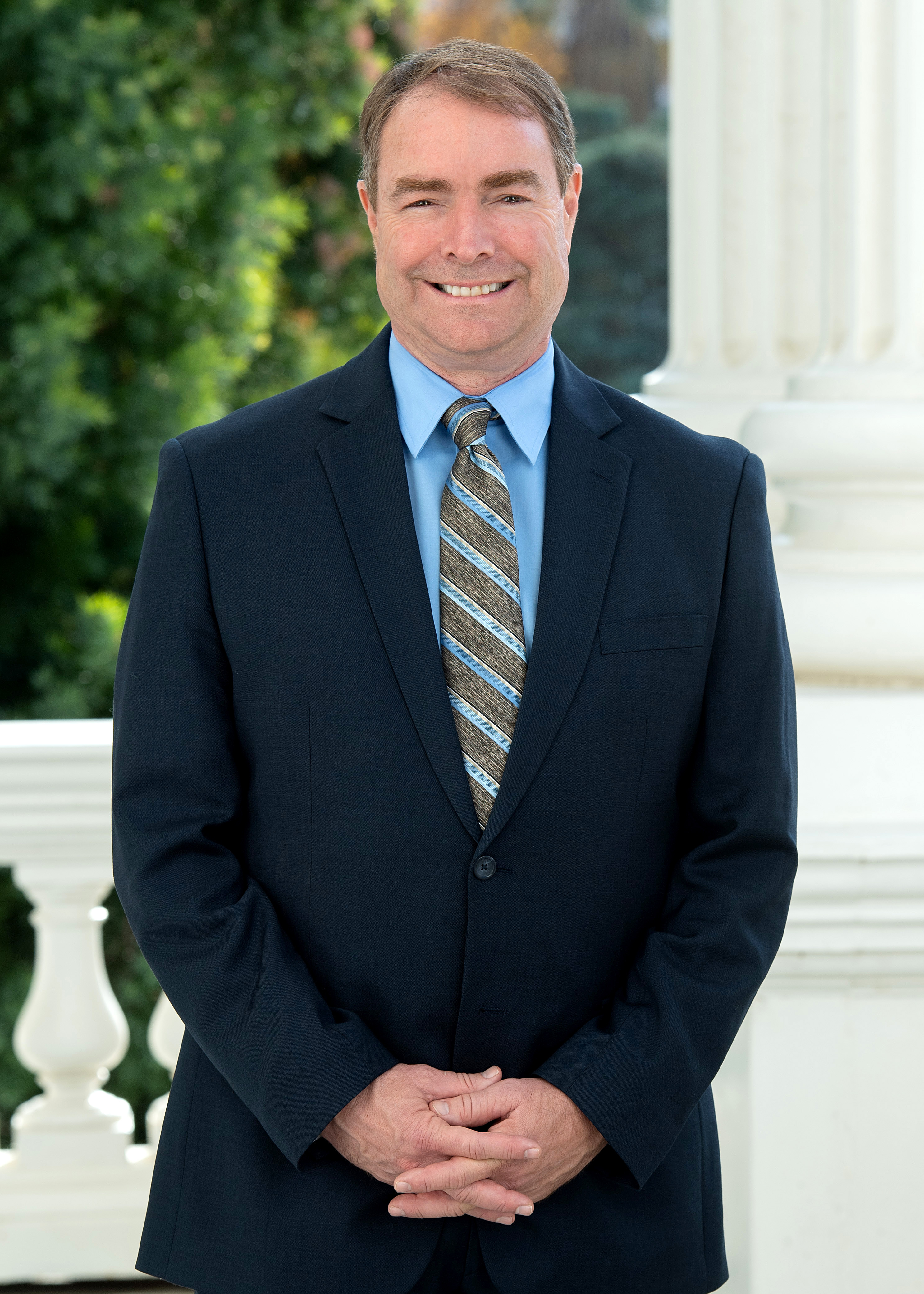
Damon Connolly
DDemocratic






Ask Maddy
·
AI policy assistant
Ask Maddy about AB 288
Scope: CA
Hi! I can help you understand AB 288. What would you like to know?
Try one of these
i
Maddy answers using official bill text and legislative records. Always verify before sharing.
Sources cited inline