

CalFresh and CalWORKs: childhood hunger and foster youth.
Summary
Existing federal law establishes the Supplemental Nutrition Assistance Program (SNAP) , known in California as CalFresh, under which supplemental nutrition assistance benefits allocated to the state by the federal government are distributed to eligible individuals by each county. Existing federal law limits a participant who is an able-bodied adult without dependents (ABAWD) to 3 months of CalFresh benefits in a 3-year period unless that participant has met work participation requirements or is otherwise exempt. Existing state law requires the State Department of Social Services to annually seek a federal waiver of this limitation. Existing state law requires the department to ensure that all recipients subject to the federal ABAWD time limit are permitted to meet the work requirements of the time limit through all forms of work, as specified. Existing federal law, Public Law 119-21, enacted on July 4, 2025, sets forth various changes to SNAP benefits, including the removal of an exemption from the time limit for certain former foster youth under 25 years of age, and the narrowing of an exemption for a household with a dependent under 18 years of age to instead a household with a dependent under 14 years of age, as specified. This bill would specify that an ABAWD participant includes a parent or other member of a household with responsibility for a dependent child 14 years of age or older as a result of Public Law 119-21. The bill would make various statements of legislative intent relating to, among other things, maximizing efforts to retain in the program as many eligible CalFresh recipients as possible, providing for the continuation of food benefits, mitigating harm, and streamlining the verification of exemptions for certain populations, in response to Public Law 119-21, as specified. The bill would state the intent of the Legislature that all exemptions provided by the state and the counties under Public Law 119-21, to the extent permitted by federal law and guidance, remain in effect for any recipient until, at the earliest, the next scheduled redetermination for that recipient, when the exemption is reassessed by the county, unless the automated exemption at redetermination allows for the exemption to continue. The bill would state legislative intent that a recipient not be discontinued from the CalFresh program due to the ABAWD work requirements under Public Law 119-21 before October 1, 2026, or until specified administrative activities are complete, whichever is later. The bill would generally require the department to provide data to certain legislative committees and all 58 county welfare departments on the total number of CalFresh recipients subject to, exempted from, or discontinued from the program potentially due to, the CalFresh ABAWD time limit and corresponding work requirements, as specified. Under the bill, prior to the first 2 reports, the data would be furnished to impacted counties with a minimum of 4 weeks for review prior to public reporting in order to ensure accuracy. The bill would also require the department to provide data on the total number of CalFresh recipients discontinued from the program, as specified. The bill would require the department to adopt, provide instructions to counties on, and automate for, compliance with CalFresh work requirements, in accordance with federal law, for individuals participating in extended foster care and who have been determined to be working at least 80 hours per month. To the extent that the bill would increase CalFresh eligibility for certain populations and expand county duties, the bill would impose a state-mandated local program. Existing law establishes the California Work Opportunity and Responsibility to Kids (CalWORKs) program, under which, through a combination of federal, state, and county funds, each county provides cash assistance and other benefits to qualified low-income families. Under existing law, in addition to specified CalWORKs aid amounts, a family is entitled to receive an allowance for recurring special needs relating to, among other things, food, utilities, and transportation. Under existing law, the allowance for each family per month is prohibited from exceeding that amount resulting from multiplying the sum of $10 by the number of recipients in the family who are eligible for assistance. This bill would increase the maximum threshold for the allowance by switching the factor from $10 to $15 within the formula. Existing law continuously appropriates moneys from the General Fund to defray a portion of county costs under the CalWORKs program. This bill would instead provide that the continuous appropriation would not be made for purposes of the bill. The California Constitution requires the state to reimburse local agencies and school districts for certain costs mandated by the state. Statutory provisions establish procedures for making that reimbursement. This bill would provide that, if the Commission on State Mandates determines that the bill contains costs mandated by the state, reimbursement for those costs shall be made pursuant to the statutory provisions noted above. This bill would declare that it is to take effect immediately as an urgency statute.
Bill status
passed both
4 of 5 stages cleared
Introduction
Feb 2026
Committee Review
Jun 2026
Assembly Passage
Aug 2026
Senate Passage
Aug 2026
Governor
Introduced Feb 20, 2026
Last action Aug 26, 2026
Maddy AI version diff · 6 comparisons
What changed between versions
08/30/26 - Enrolled
→
AB2765
·
1 edit
MINOR
No substantive policy changes occurred between these two versions. The diff reflects a transition from the formal enrolled legislative document (with signatures, page numbers, and official formatting) to a web-based rendering of the same bill text on the California legislature website. All legislative content, including the digest, findings, and statutory amendments, is identical.
TECHNICAL
The document changed from an official enrolled format (with Chief Clerk signature, Senate Secretary line, Governor receipt date, page numbers, and CHAPTER heading) to a web page rendering that includes navigation elements such as skip-to-content links, quick search, bill information tabs, and version history. The underlying legislative text is unchanged.
Floor votes · Senate Aug 26, 2026 · Assembly May 27, 2026
How they voted
34–0
Passed · 6 other
Total votes 40
Aug 26, 2026
D
Democratic30
100% Yea
R
Republican10
40% Yea
Vote distribution
All Yea
All Nay
Mixed
No data
Full legislative history
Actions timeline
Total actions
26
Key actions
11
Committee
9
Amendments
8
Aug 26, 2026
Senate · Passed
Senate Vote: pass (34-0-6)
senate
Aug 26, 2026
Lower · Passed
Urgency clause adopted. Senate amendments concurred in. To Engrossing and Enrolling. (Ayes 63. Noes 9.).
lower
Aug 26, 2026
Introduced
In Assembly. Concurrence in Senate amendments pending.
lower
Aug 26, 2026
Upper · Passed
Read third time. Urgency clause adopted. Passed. Ordered to the Assembly. (Ayes 34. Noes 0.).
upper
Aug 21, 2026
Upper · Passed
Read third time and amended. Ordered to second reading.
upper
Aug 13, 2026
Upper · Passed
Read second time and amended. Ordered returned to second reading.
upper
Aug 13, 2026
Introduced
From committee: Amend, and do pass as amended. (Ayes 6. Noes 1.) (August 13).
upper
Jun 29, 2026
Committee
In committee: Referred to APPR. suspense file.
upper
Jun 16, 2026
Upper · Passed
From committee: Do pass and re-refer to Com. on APPR. (Ayes 3. Noes 0.) (June 15). Re-referred to Com. on APPR.
upper
Jun 11, 2026
Introduced
From committee chair, with author's amendments: Amend, and re-refer to committee. Read second time, amended, and re-referred to Com. on HUMAN S.
upper
Jun 3, 2026
Committee
Referred to Com. on HUMAN S.
upper
May 27, 2026
Assembly · Passed
Assembly Vote: pass (60-11-8)
assembly
May 26, 2026
Lower · Passed
Read third time. Passed. Ordered to the Senate. (Ayes 61. Noes 11.)
lower
May 14, 2026
Lower · Passed
From committee: Do pass. (Ayes 11. Noes 2.) (May 14).
lower
May 6, 2026
Committee
In committee: Set, first hearing. Referred to APPR. suspense file.
lower
Apr 23, 2026
Lower · Passed
From committee: Do pass and re-refer to Com. on APPR. (Ayes 5. Noes 1.) (April 23). Re-referred to Com. on APPR.
lower
Apr 14, 2026
Committee
Re-referred to Com. on HUM. S.
lower
Apr 13, 2026
Introduced
From committee chair, with author's amendments: Amend, and re-refer to Com. on HUM. S. Read second time and amended.
lower
Mar 16, 2026
Committee
Referred to Com. on HUM. S.
lower
Feb 21, 2026
Lower · Passed
From printer. May be heard in committee March 23.
lower
1 primary · 6 co-sponsors
Sponsors

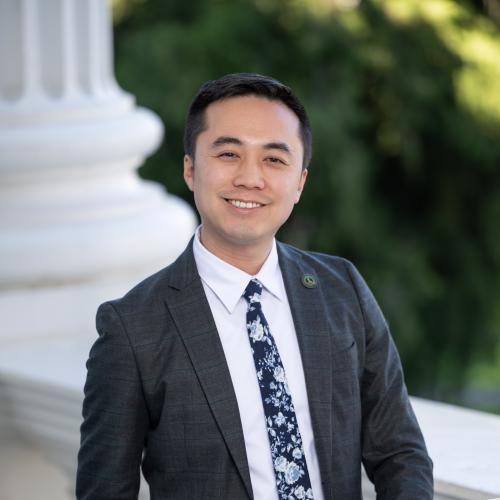
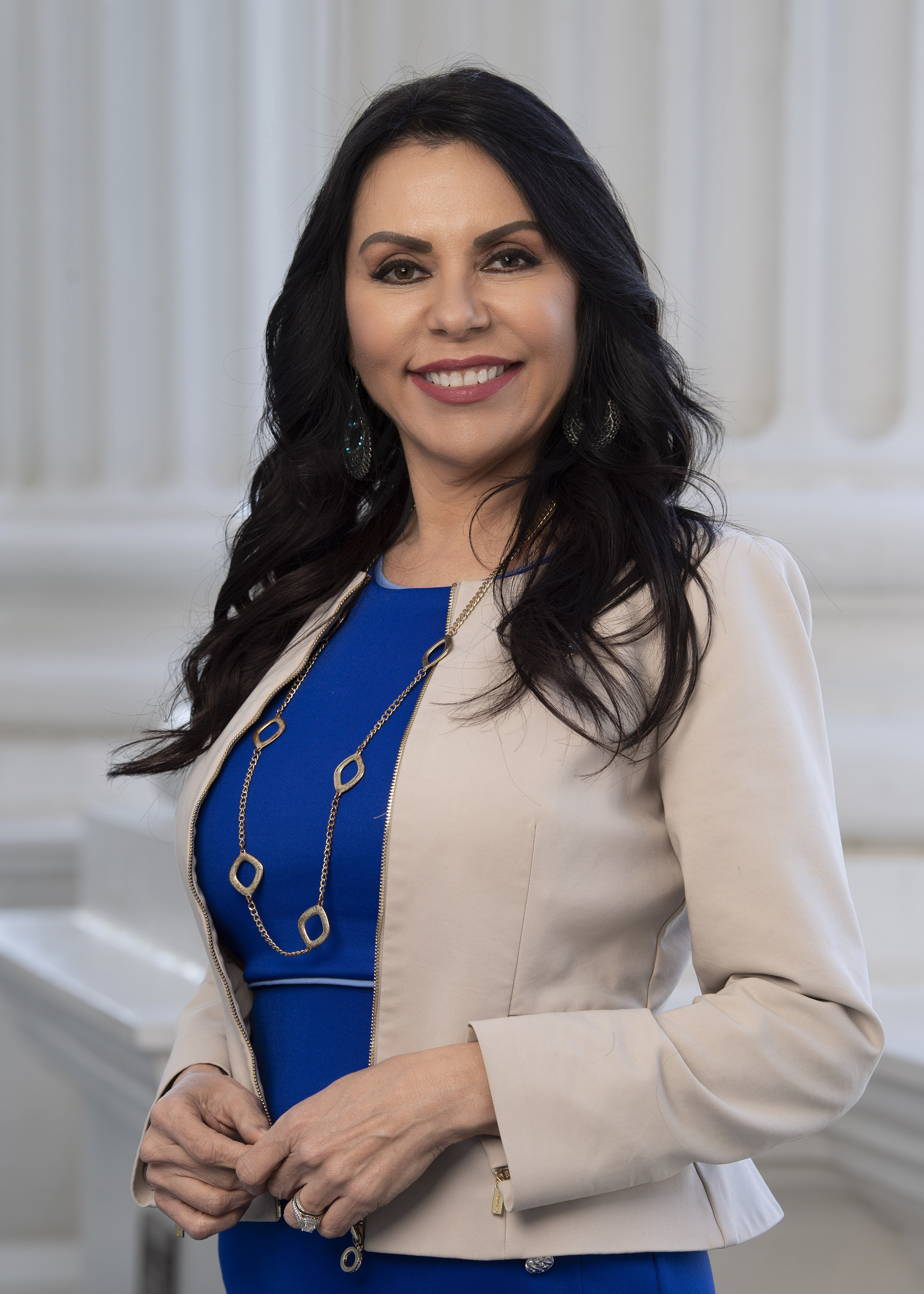

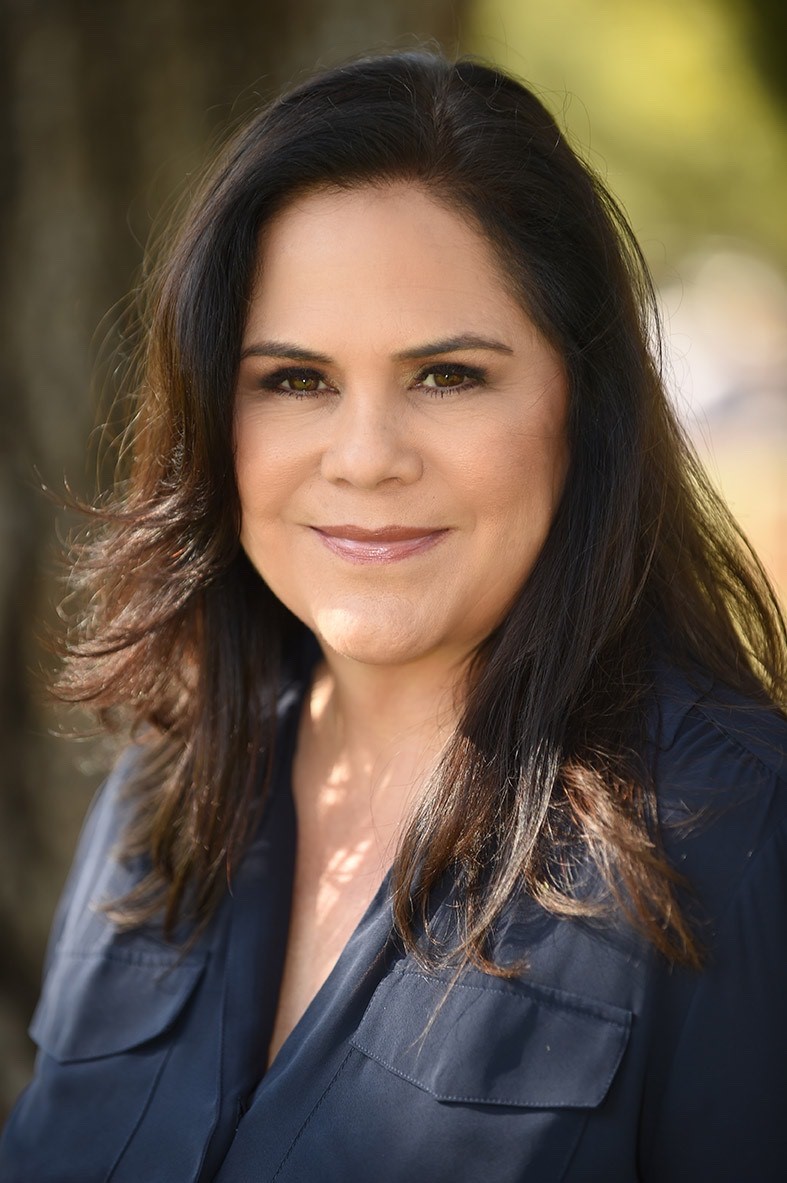

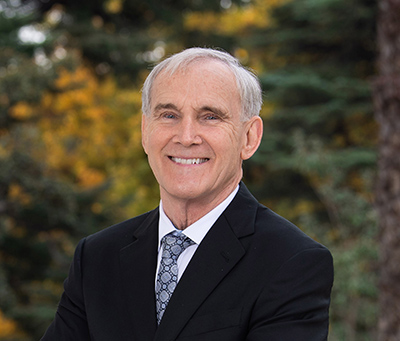
Ask Maddy
·
AI policy assistant
Ask Maddy about AB 2765
Scope: CA
Hi! I can help you understand AB 2765. What would you like to know?
Try one of these
i
Maddy answers using official bill text and legislative records. Always verify before sharing.
Sources cited inline