

California Antihunger Response and Employment Training Act of 2026.
Summary
Existing federal law establishes the Supplemental Nutrition Assistance Program (SNAP) , known in California as CalFresh, under which supplemental nutrition assistance benefits allocated to the state by the federal government are distributed to eligible individuals by each county. Existing federal law limits a participant who is an able-bodied adult without dependents (ABAWD) to 3 months of CalFresh benefits in a 3-year period unless that participant has met work participation requirements or is otherwise exempt. Existing federal law authorizes a waiver of that time limit upon the request of a state if it is determined that the area in which the individuals reside has an unemployment rate of over 10% or does not have a sufficient number of jobs to provide employment for the individuals. Existing state law requires the State Department of Social Services, to the extent permitted by federal law, to annually seek a federal waiver of the time limit. Existing federal law also authorizes a state to provide, in each fiscal year, an exemption from the 3-month time limit for covered individuals, to the extent that the average monthly number of exemptions in effect during a fiscal year does not exceed 8% of the number of covered individuals in the state. Existing law requires the department to also establish the California Food Assistance Program (CFAP) to provide nutrition benefits to households that are ineligible for CalFresh benefits solely due to their immigration status, as specified. Existing law requires CFAP benefits to be equivalent to SNAP benefits. Under existing law, operative on the date the department notifies the Legislature that the Statewide Automated Welfare System can perform the necessary automation for this purpose, an individual 55 years of age or older is eligible for CFAP benefits, subject to an appropriation. Existing law requires these provisions only be implemented during any period that specified federal benefits are provided. This bill, the California Antihunger Response and Employment Training Act of 2026, would expand CFAP eligibility to include individuals ineligible for CalFresh benefits due to the federal time limits placed on ABAWDs regardless of if they are a citizen or noncitizen and individuals ineligible solely due to their humanitarian immigration status. The bill would also repeal the provisions requiring certain federal benefits be provided in order for CFAP to be implemented. The bill would make related findings and declarations. To the extent the bill would expand eligibility for county-administered benefits through expansion of the CFAP program, the bill would impose a state-mandated local program. The California Constitution requires the state to reimburse local agencies and school districts for certain costs mandated by the state. Statutory provisions establish procedures for making that reimbursement. This bill would provide that, if the Commission on State Mandates determines that the bill contains costs mandated by the state, reimbursement for those costs shall be made pursuant to the statutory provisions noted above.
Bill status
passed
3 of 5 stages cleared
Introduction
Feb 2026
Committee Review
Aug 2026
Assembly Passage
May 2026
Senate Passage
Governor
Introduced Feb 19, 2026
Last action Aug 13, 2026
Maddy AI version diff · 2 comparisons
What changed between versions
04/06/26 - Amended Assembly
→
AB2299
·
2 edits
MINOR
The diff between these two versions of AB 2299 is primarily a formatting and presentation change, converting from the official printed legislative bill format (with line numbers, page headers, and column layout) to a web-based display format on the California Legislature website. The substantive policy content of the bill - establishing the CARET program for ABAWD time-limited individuals, expanding CFAP eligibility, and related provisions - appears unchanged between the two versions.
TECHNICAL
The bill text was reformatted from the official printed legislative format (with line numbers, page breaks, and two-column layout) to a web-based display format with navigation elements. No substantive policy language was altered.
The 'Revised 5-14-26 - See last page' notation was removed from the header, consistent with this being the final revised version of the bill text.
Floor votes · Assembly May 26, 2026
How they voted
63–1
Passed · 15 other
Total votes 79
May 26, 2026
D
Democratic59
96% Yea
R
Republican20
30% Yea
Vote distribution
All Yea
All Nay
Mixed
No data
Full legislative history
Actions timeline
Total actions
17
Key actions
6
Committee
10
Amendments
1
Aug 13, 2026
Upper · Passed
In committee: Held under submission.
upper
Aug 3, 2026
Committee
In committee: Referred to APPR. suspense file.
upper
Jun 29, 2026
Upper · Passed
From committee: Do pass and re-refer to Com. on APPR. (Ayes 5. Noes 0.) (June 29). Re-referred to Com. on APPR.
upper
Jun 10, 2026
Committee
Referred to Com. on HUMAN S.
upper
May 26, 2026
Lower · Passed
Read third time. Passed. Ordered to the Senate. (Ayes 64. Noes 1.)
lower
May 14, 2026
Lower · Passed
From committee: Do pass. (Ayes 11. Noes 0.) (May 14).
lower
May 6, 2026
Committee
In committee: Set, first hearing. Referred to APPR. suspense file.
lower
Apr 15, 2026
Lower · Passed
From committee: Do pass and re-refer to Com. on APPR. (Ayes 5. Noes 0.) (April 14). Re-referred to Com. on APPR.
lower
Apr 7, 2026
Committee
Re-referred to Com. on HUM. S.
lower
Apr 6, 2026
Introduced
From committee chair, with author's amendments: Amend, and re-refer to Com. on HUM. S. Read second time and amended.
lower
Mar 16, 2026
Committee
Referred to Com. on HUM. S.
lower
Feb 20, 2026
Lower · Passed
From printer. May be heard in committee March 22.
lower
1 primary · 11 co-sponsors
Sponsors
Role
Legislator
Party
State
District
P
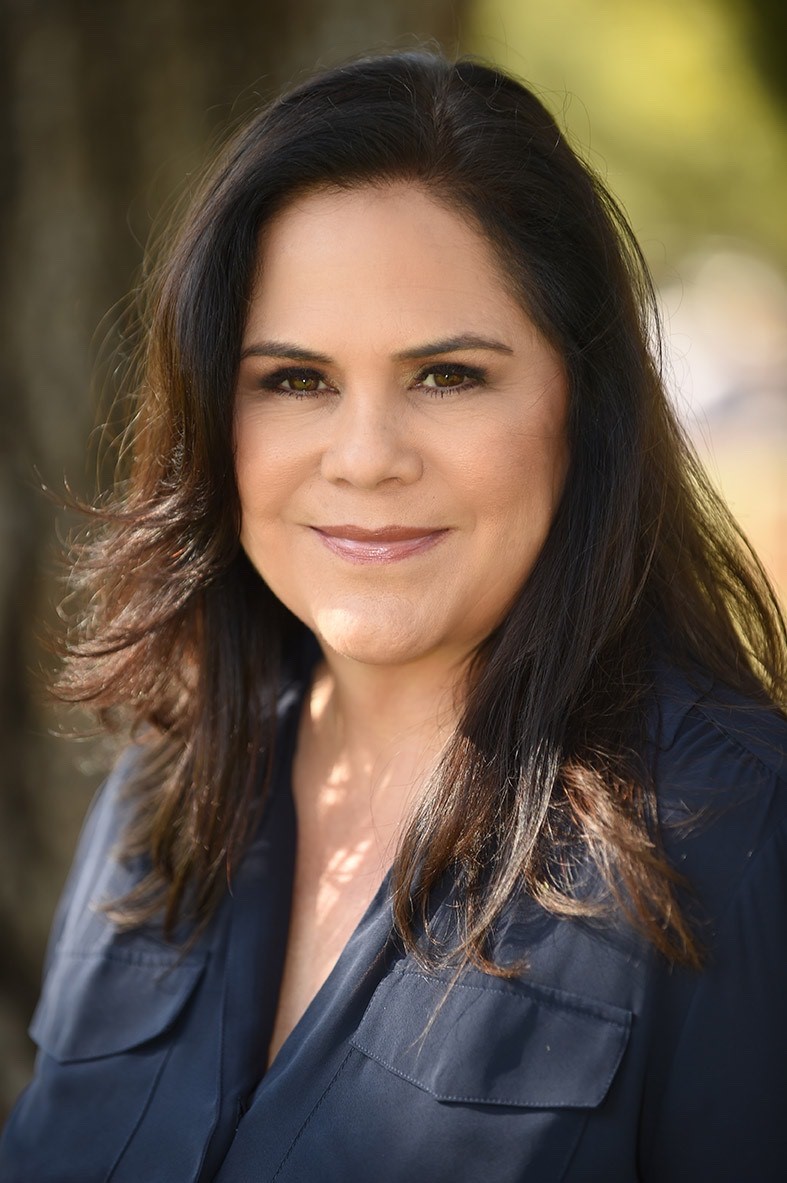
Lisa Calderon
DDemocratic
Co
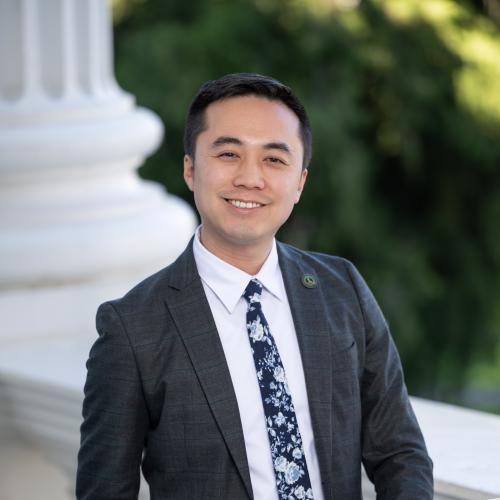
Alex Lee
DDemocratic
Co

Celeste Rodriguez
DDemocratic
Co
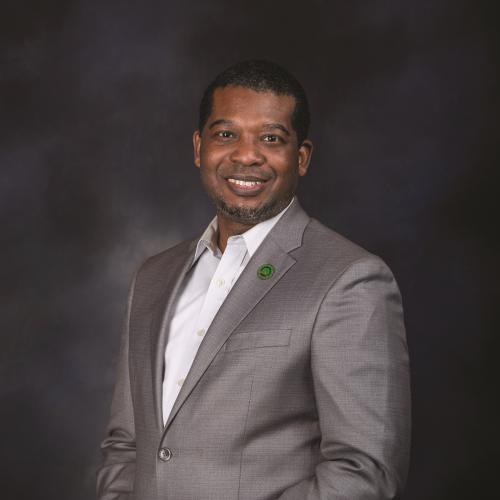
Corey Jackson
DDemocratic
Co
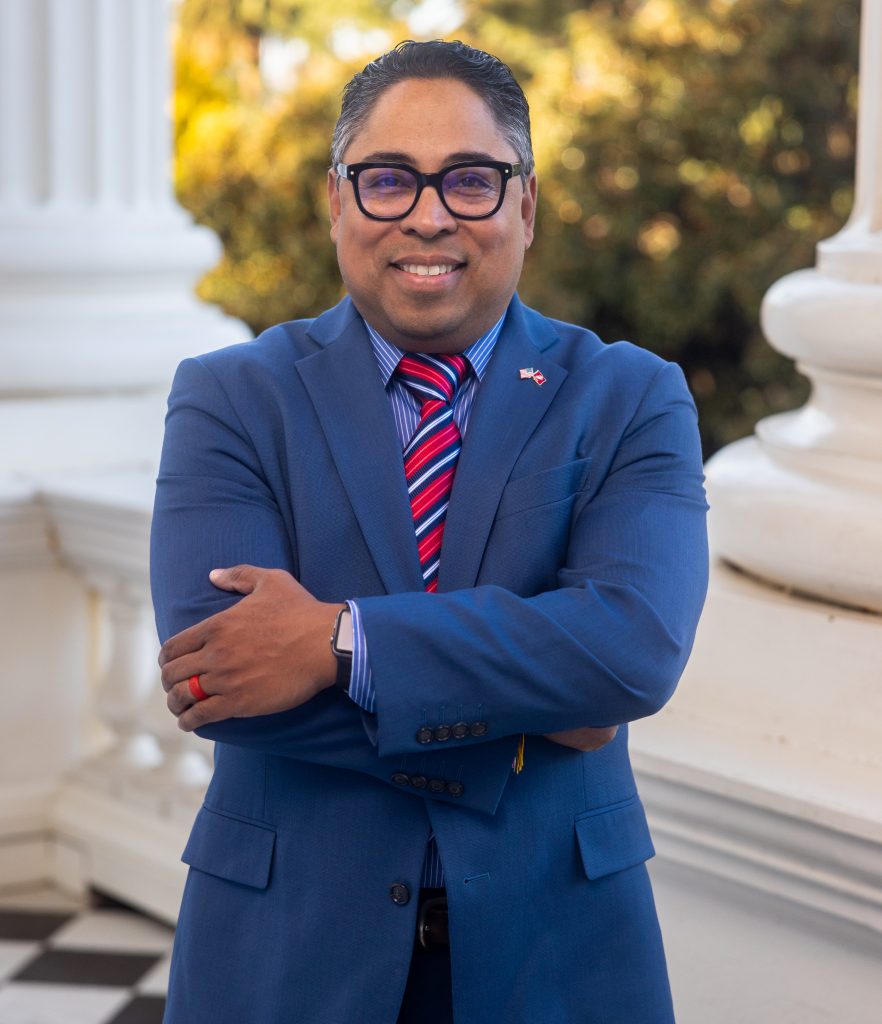
Jeff Gonzalez
RRepublican
Co
JS
José Solache
DDemocratic
Co
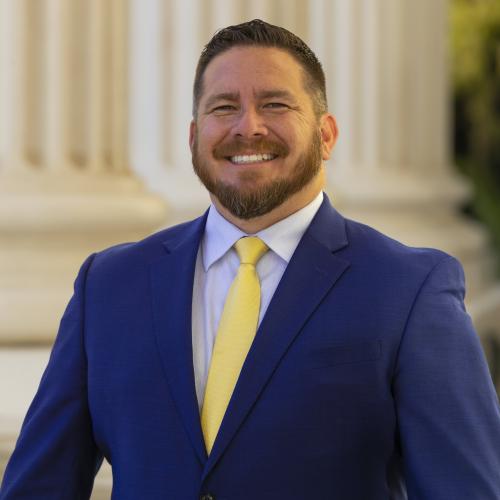
Juan Alanis
RRepublican
Co
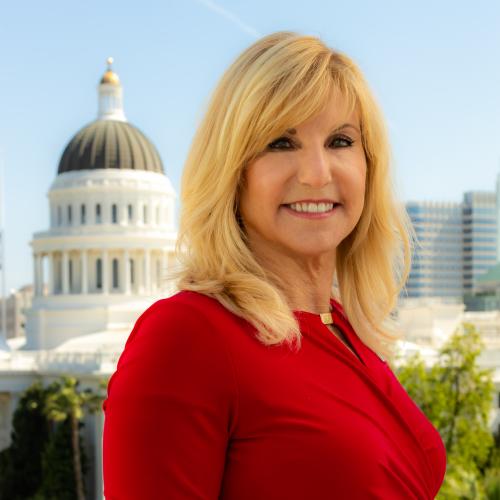
Laurie Davies
RRepublican
Co

Pilar Schiavo
DDemocratic
Co
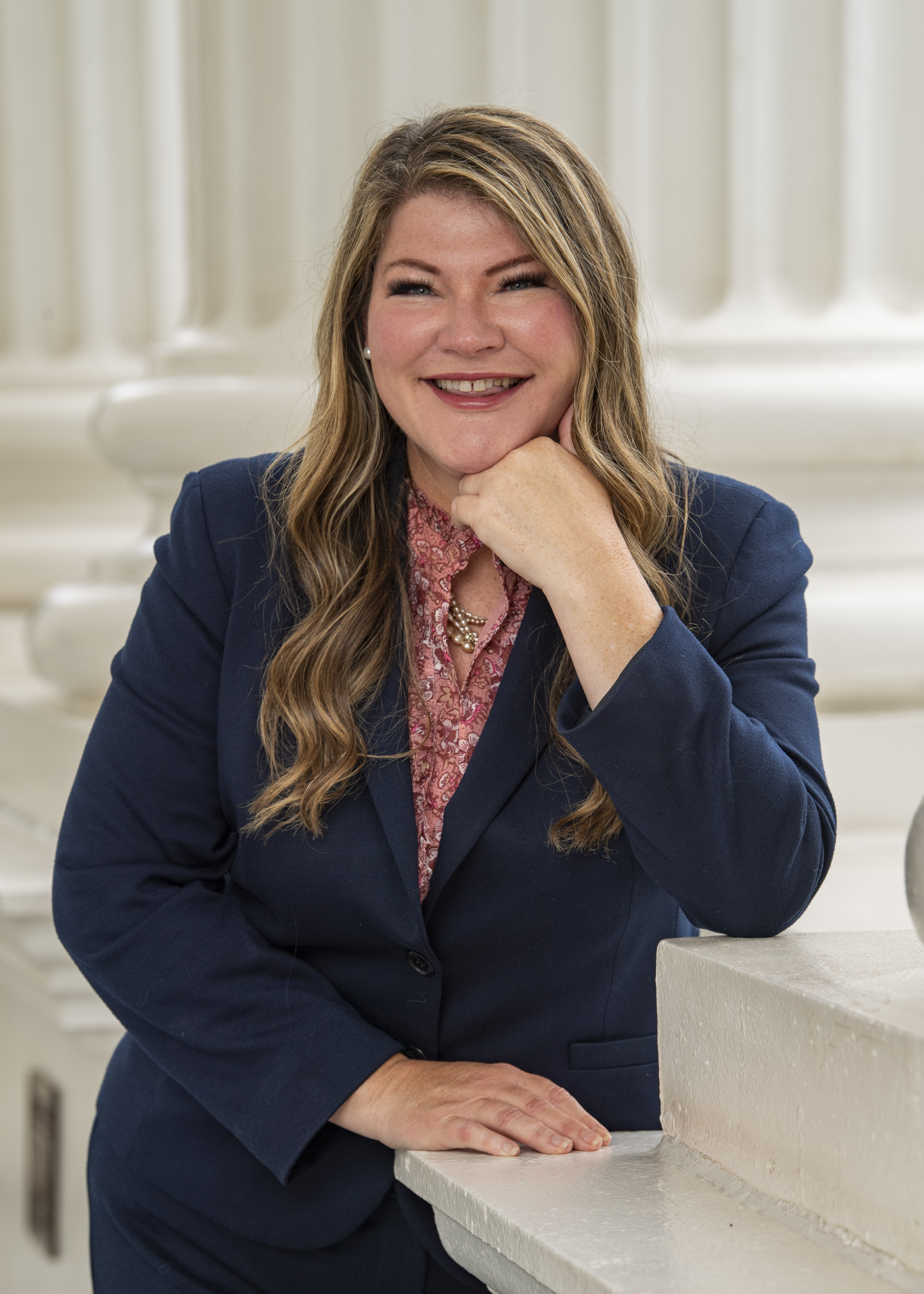
Tasha Boerner
DDemocratic
Co
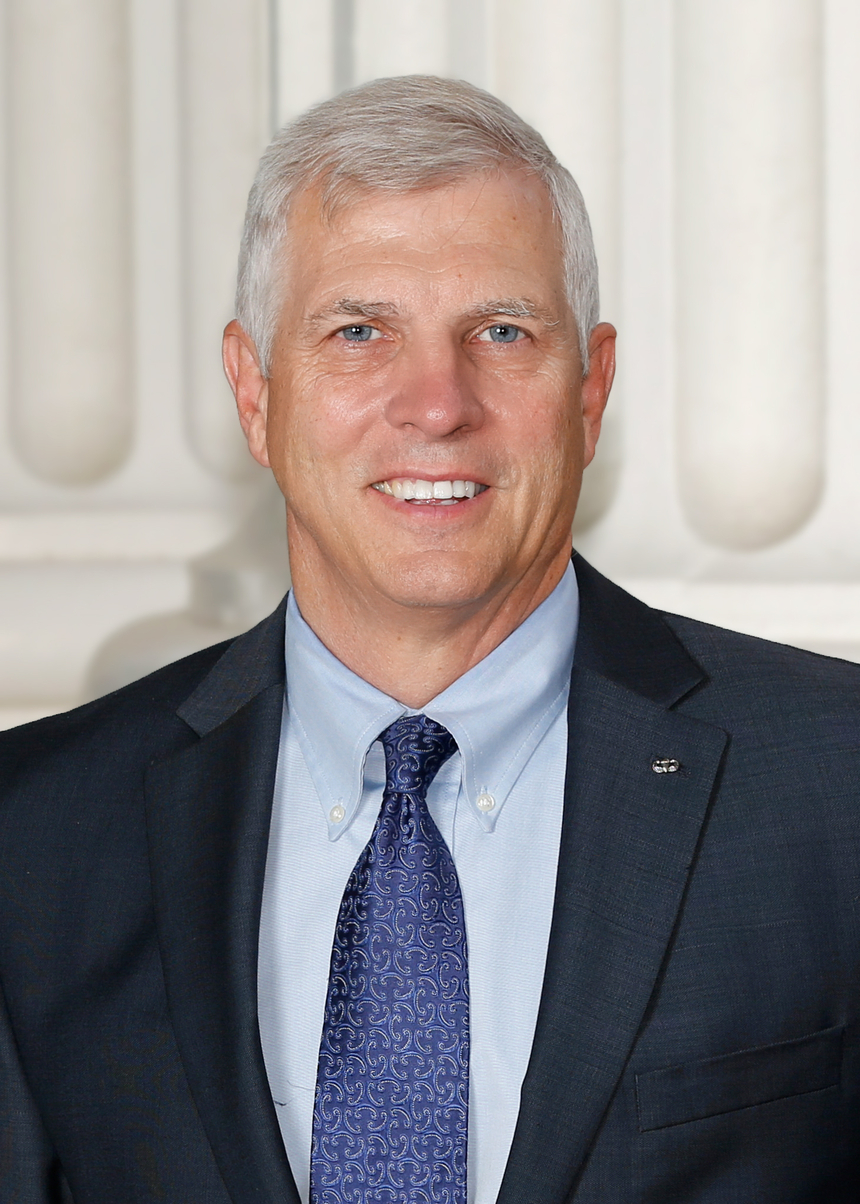
Tom Umberg
DDemocratic

Ask Maddy
·
AI policy assistant
Ask Maddy about AB 2299
Scope: CA
Hi! I can help you understand AB 2299. What would you like to know?
Try one of these
i
Maddy answers using official bill text and legislative records. Always verify before sharing.
Sources cited inline