

Public employment: disqualifications.
Summary
Existing law contains numerous provisions governing the qualifications, standards, and training of peace officers. Existing law specifies circumstances that disqualify a person from holding office or being employed as a peace officer, including, among other things, having been convicted of a felony. This bill, the GTFO Act, would, commencing January 1, 2028, disqualify from being a peace officer a person previously employed as a sworn law enforcement officer or individual contractor and personally engaged in immigration enforcement, as defined, except as specified. Existing law requires each class of public officers or employees declared by law to be peace officers to meet specified minimum standards, including that they be 18 years of age or older, be fingerprinted for purposes of search of local, state, and national fingerprint files to disclose a criminal record, and be of good moral character, as determined by a thorough background investigation. This bill would, for purposes of those background investigations, authorize a hiring agency to consider news articles, verified social media posts, filings of civil complaints, and other verified sources. This bill, for purposes of an applicant who was previously employed as a sworn law enforcement officer or individual contractor and personally engaged in immigration enforcement, would require the hiring agency to complete the background investigation before the candidate participates in a Peace Officer Standards and Training (POST) basic course. The bill would require the hiring agency to review the background investigation and determine if the individual is suitable to enter the POST basic course subject to certain suitability standards adopted by the Commission on Peace Officer Standards and Training. This bill would require every applicant seeking appointment as a peace officer or enrollment in a POST basic course to submit to the hiring agency a declaration submitted under penalty of perjury that states whether the applicant has, at any time been employed as a sworn law enforcement officer or individual contractor that personally engaged in immigration enforcement, as specified. By requiring this statement to be made under penalty of perjury, the bill would expand the scope of a crime and impose a state-mandated local program. Existing law, the State Civil Service Act, requires that the employment procedures of the Department of Human Resources (CalHR) and of each state agency conform to the federal and state laws governing employment practices, including the use of employment forms. Existing law requires employment forms used by a state agency to require a person applying for employment to disclose whether the person has entered into an agreement with the state regarding any previous employment with the state that prohibits the person from seeking or accepting any subsequent employment with the state. This bill would additionally require the above-described employment forms to require a person applying for employment to disclose whether the person has been employed as a sworn law enforcement officer or individual contractor that personally engaged in immigration enforcement, as defined. Existing law authorizes CalHR or a designated appointing power to refuse to examine or, after examination, to refuse to declare as eligible, or to withhold or withdraw from certification, prior to appointment, anyone who meets certain criteria, such as a person who has misrepresented themselves during the application process. This bill would add to these criteria a person who was previously employed as a sworn law enforcement officer or individual contractor and personally engaged in immigration enforcement, as defined, except as specified. Existing law makes a person ineligible to hold office or employment of any kind with the state, or any county, city, district, or other political or governmental unit of the state, if the person has by oath bound themselves to support, maintain, or further the military or political activities or policies of a foreign government, as specified, or to obey the orders or directions of any foreign government or its officials. This bill, commencing January 1, 2028, would make a person ineligible to hold public employment, including employment with a city, county, district, or any other public agency of the state, because the person was previously employed as a sworn law enforcement officer or individual contractor and personally engaged in immigration enforcement, as defined, except as specified. Existing law requires the Commission on Peace Officer Standards and Training to establish a certification program for peace officers. Existing law requires, for each applicant for admission to a basic course of training certified by the commission that includes the carrying and use of firearms, who is not sponsored by a local or other law enforcement agency or is not a peace officer employed by a state or local agency, department, or district, to submit written certification from the Department of Justice that the applicant is eligible to possess, receive, own, and purchase a firearm pursuant to state and federal law. This bill would, for purposes of an applicant for the basic course who was previously employed as a sworn law enforcement officer or individual contractor and personally engaged in immigration enforcement, require the commission to deny suitability for enrollment in the basic course, unless the commission receives notice from the hiring agency granting the applicant's suitability, as specified. The bill, by January 1, 2028, would require the commission to adopt, by regulation, a definition of "suitability," as specified. Existing law requires any background investigation of a candidate for a peace officer position to include an inquiry into whether the candidate has engaged or is engaging in membership in a hate group. This bill would require the background investigation to include an inquiry into whether the candidate has engaged in immigration enforcement. By increasing the duties of local agencies, this bill would impose a state-mandated local program. The bill would make the provisions of the act severable. The bill would include findings that changes proposed by this bill address a matter of statewide concern rather than a municipal affair and, therefore, apply to all cities, including charter cities. This bill would incorporate additional changes to Section 1029 of the Government Code proposed by AB 1627 to be operative only if this bill and AB 1627 are enacted and this bill is enacted last. The bill would also incorporate additional changes to Section 13510.8 of the Penal Code proposed by AB 2337 to be operative only if this bill and AB 2337 are enacted and this bill is enacted last. The California Constitution requires the state to reimburse local agencies and school districts for certain costs mandated by the state. Statutory provisions establish procedures for making that reimbursement. This bill would provide that with regard to certain mandates no reimbursement is required by this act for a specified reason. With regard to any other mandates, this bill would provide that, if the Commission on State Mandates determines that the bill contains costs so mandated by the state, reimbursement for those costs shall be made pursuant to the statutory provisions noted above.
Bill status
passed both
4 of 5 stages cleared
Introduction
Feb 2026
Committee Review
Aug 2026
Assembly Passage
May 2026
Senate Passage
Aug 2026
Governor
Introduced Feb 12, 2026
Last action Aug 30, 2026
Maddy AI version diff · 6 comparisons
What changed between versions
08/27/26 - Amended Senate
→
AB1896
·
2 edits
MINOR
The change replaces the full clean legislative text of AB 1896 (the GTFO Act) with what appears to be a web page capture that includes site navigation elements (headers, menus, search bars, version dropdowns). The substantive bill provisions visible in the removed lines - disqualifying persons who personally engaged in immigration enforcement from public employment and peace officer positions effective January 1, 2028 - are not present in the added lines shown. The diff is truncated at 900 of 2054 lines, so the actual bill text may reappear later in the document.
TECHNICAL
The complete legislative bill text including all sections (Sec. 1 through Sec. 6 and beyond), legislative findings, and the Legislative Counsel's Digest were removed from the document.
Website navigation and UI elements were added, including page headers, menu items (home, accessibility, FAQ, feedback, sitemap, login), search fields, version dropdown options, and breadcrumb navigation typical of a state legislative website.
Floor votes · Senate Aug 30, 2026 · Assembly May 27, 2026
How they voted
29–10
Passed · 1 other
Total votes 40
Aug 30, 2026
D
Democratic30
96% Yea
R
Republican10
100% Nay
Vote distribution
All Yea
All Nay
Mixed
No data
Full legislative history
Actions timeline
Total actions
25
Key actions
11
Committee
11
Amendments
6
Aug 30, 2026
Upper · Passed
Read third time. Passed. Ordered to the Assembly. (Ayes 29. Noes 10.).
upper
Aug 27, 2026
Upper · Passed
Read third time and amended. Ordered to second reading.
upper
Aug 21, 2026
Upper · Passed
Read third time and amended. Ordered to second reading.
upper
Aug 13, 2026
Upper · Passed
Read second time and amended. Ordered returned to second reading.
upper
Aug 13, 2026
Introduced
From committee: Amend, and do pass as amended. (Ayes 5. Noes 2.) (August 13).
upper
Aug 3, 2026
Committee
In committee: Referred to APPR. suspense file.
upper
Jul 1, 2026
Upper · Passed
From committee: Do pass and re-refer to Com. on APPR. (Ayes 4. Noes 1.) (July 1). Re-referred to Com. on APPR.
upper
Jun 24, 2026
Introduced
From committee chair, with author's amendments: Amend, and re-refer to committee. Read second time, amended, and re-referred to Com. on L., P.E. & R.
upper
Jun 24, 2026
Upper · Passed
From committee: Do pass and re-refer to Com. on L., P.E. & R. (Ayes 5. Noes 1.) (June 23). Re-referred to Com. on L., P.E. & R.
upper
Jun 10, 2026
Committee
Referred to Coms. on PUB. S. and L., P.E. & R.
upper
May 27, 2026
Lower · Passed
Read third time. Passed. Ordered to the Senate. (Ayes 53. Noes 21.)
lower
May 14, 2026
Lower · Passed
From committee: Do pass. (Ayes 11. Noes 4.) (May 14).
lower
May 6, 2026
Committee
In committee: Set, first hearing. Referred to APPR. suspense file.
lower
Apr 22, 2026
Lower · Passed
From committee: Do pass and re-refer to Com. on APPR. (Ayes 7. Noes 2.) (April 21). Re-referred to Com. on APPR.
lower
Apr 15, 2026
Committee
Re-referred to Com. on PUB. S.
lower
Apr 14, 2026
Introduced
From committee chair, with author's amendments: Amend, and re-refer to Com. on PUB. S. Read second time and amended.
lower
Apr 8, 2026
Lower · Passed
From committee: Do pass and re-refer to Com. on PUB. S. (Ayes 5. Noes 1.) (April 8). Re-referred to Com. on PUB. S.
lower
Mar 23, 2026
Committee
Referred to Coms. on P. E. & R. and PUB. S.
lower
Feb 13, 2026
Lower · Passed
From printer. May be heard in committee March 15.
lower
1 primary · 14 co-sponsors
Sponsors
Role
Legislator
Party
State
District
P
MG
Mark González
DDemocratic
Co
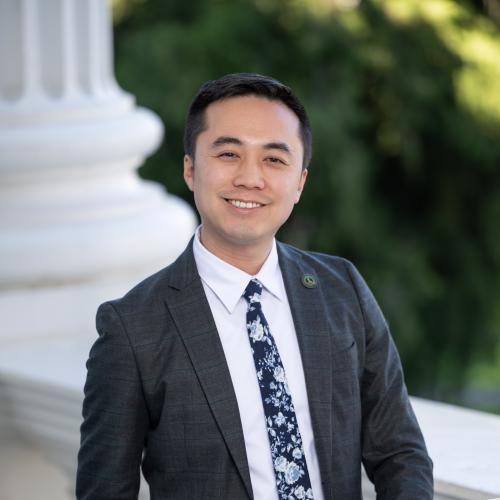
Alex Lee
DDemocratic
Co
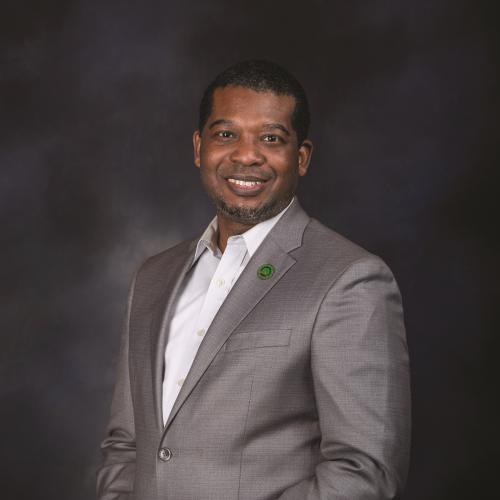
Corey Jackson
DDemocratic
Co
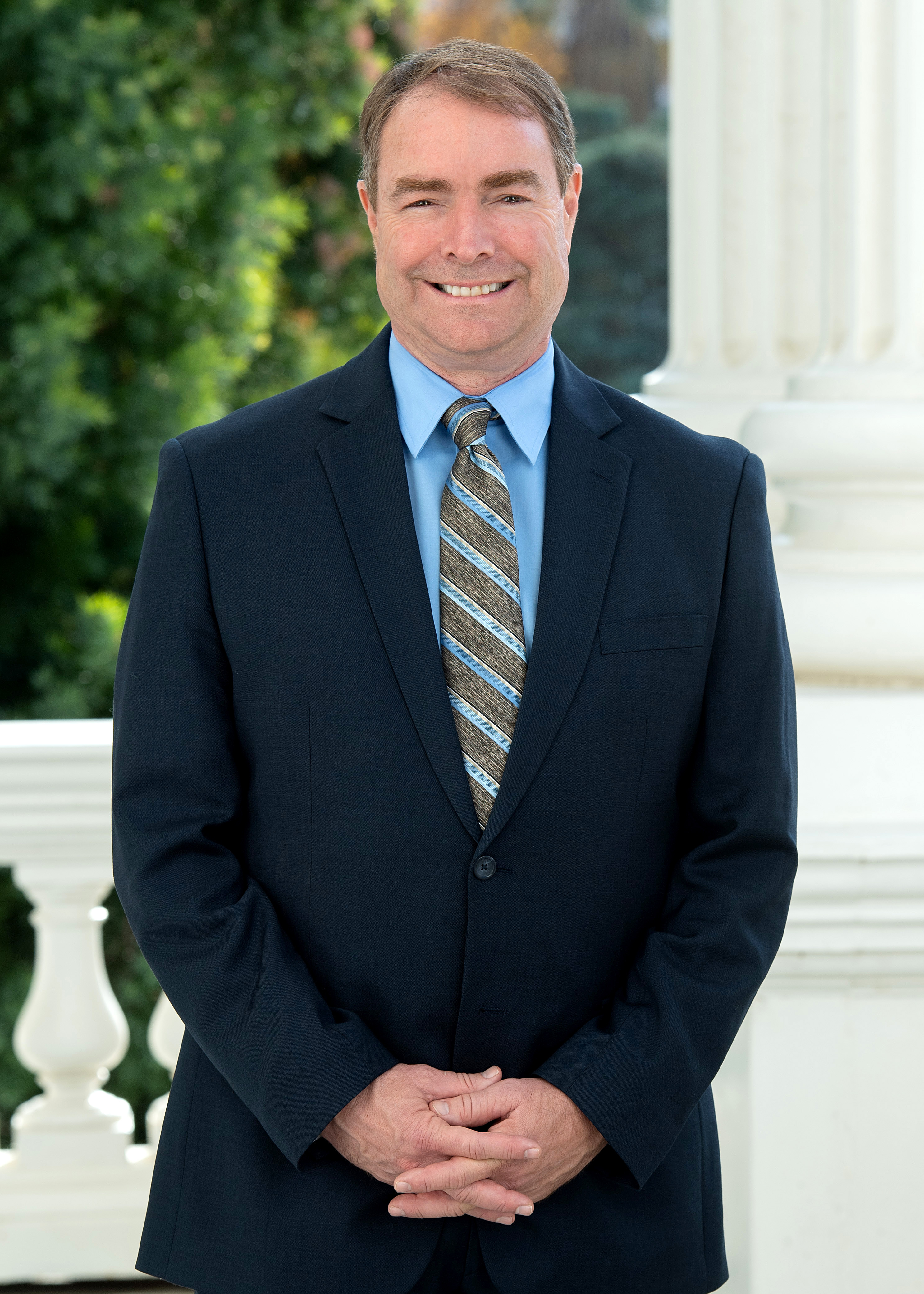
Damon Connolly
DDemocratic
Co
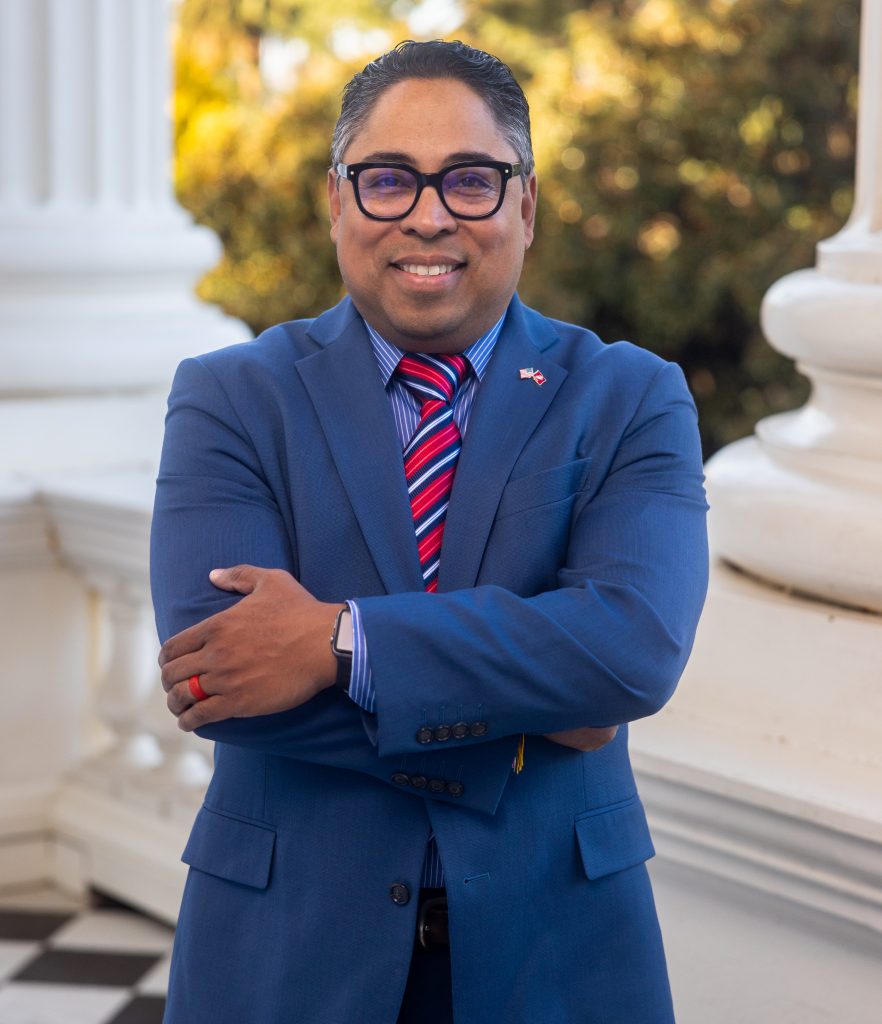
Jeff Gonzalez
RRepublican
Co
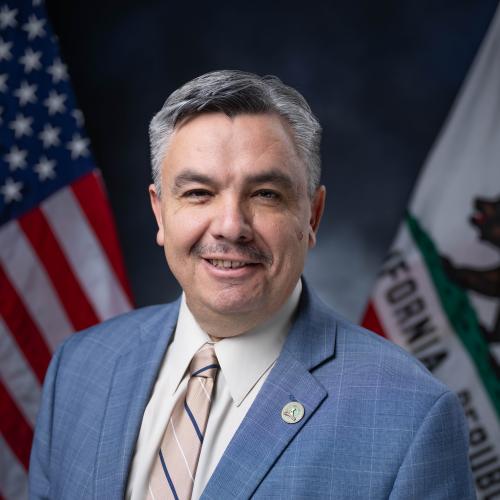
Juan Carrillo
DDemocratic
Co
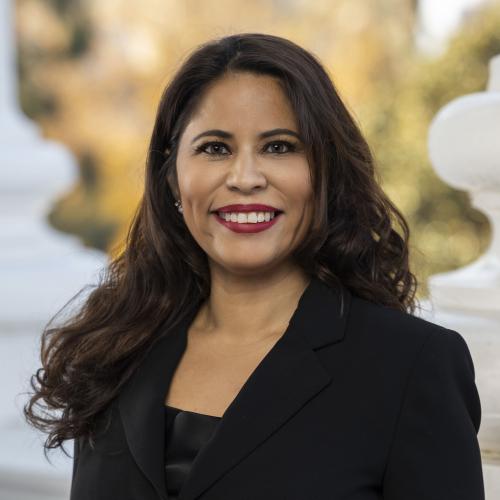
Liz Ortega
DDemocratic
Co
ME
María Elena Durazo
DDemocratic
Co

Matt Haney
DDemocratic
Co

Rick Zbur
DDemocratic
Co
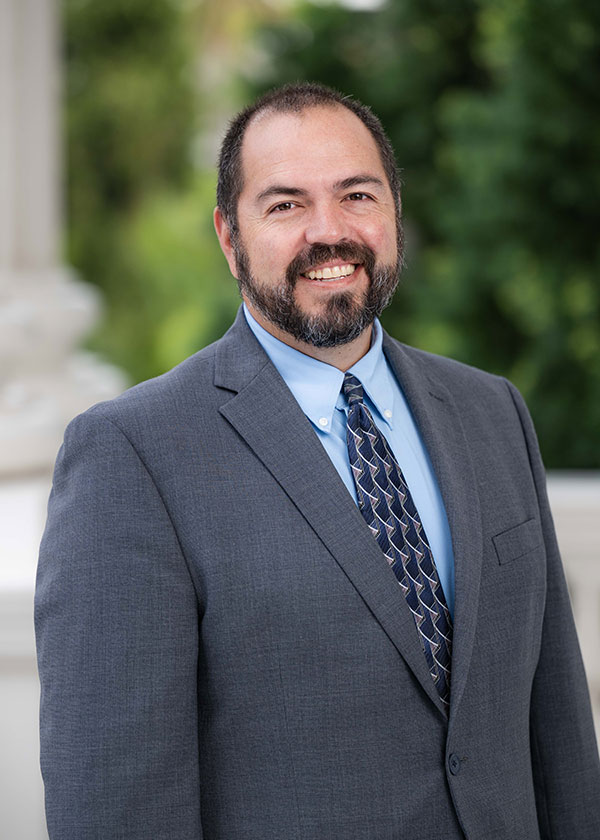
Robert Garcia
DDemocratic



Ask Maddy
·
AI policy assistant
Ask Maddy about AB 1896
Scope: CA
Hi! I can help you understand AB 1896. What would you like to know?
Try one of these
i
Maddy answers using official bill text and legislative records. Always verify before sharing.
Sources cited inline