

California Indian Freedom Act of 2026.
Summary
Existing law establishes various protections for California Native American tribes, including prohibiting a public agency or private party using or occupying public property or operating on public property from interfering with the free expression or exercise of Native American religion as provided in the United States Constitution and the California Constitution. Existing law also requires a local government to provide formal notification to each California Native American tribe that is traditionally and culturally affiliated with the project site as an invitation to consult on the proposed project, as provided. Existing law requires the local government, during the consultation, to give deference to the tribal information, tribal knowledge and customs, and the significance of the resource to the California Native American tribe. Existing law prohibits any information, as described, that is submitted by a California Native American tribe during the environmental review process from being included in the environmental document or otherwise disclosed by the lead agency or any other public agency to the public, as specified, without the prior consent of the tribe that provided the information. Existing law, the California Public Records Act, requires each state and local agency, as defined, to make its records open to public inspection at all times during office hours, except as specifically exempted from disclosure by law. The act specifically exempts from disclosure records that are exempted or prohibited from disclosure by federal or state law and lists records subject to that exemption, specifying that the listed exemptions are not inclusive of all exemptions under the act. This bill, the California Indian Freedom Act of 2026, would, commencing January 1, 2028, prohibit a governmental agency from substantially burdening a California Indian or California Native American tribe's exercise of religious beliefs or spiritual practices on state lands, except as necessary to protect public safety and security, including their access to and use of sacred sites and objects, and their ability to perform religious ceremonies and rites, even if the burden results from a rule of general applicability, unless the governmental agency demonstrates that application of the burden is in furtherance of a compelling governmental interest and is in the least restrictive means of furthering that interest. The bill would provide that a California Native American tribe has exclusive standing to assert a violation of these provisions and would authorize a California Native American tribe to assert a violation of these provisions as a claim or defense in any judicial or administrative proceeding, as specified. The bill would require a governmental agency to allow California Indians access to sacred sites on state lands, as specified. The bill would require a governmental agency to seek and document free, prior, and informed consent from affected tribes before undertaking any physical change to a state land, as described, which the agency has actual knowledge is a sacred site where the action may pose a risk to sacred sites, as specified. The bill would require the affirmation of consent from the governing body of the affected tribe to be in writing, as described. This bill would require the Department of General Services, in coordination with the Capitol Protective Section and the Joint Rules Committee, to the greatest extent possible, to uphold the religious freedom, ceremonial practices, sacred sites, cultural patrimony, and cultural landscapes of tribes when accessing the State Capitol grounds. The bill would require the Joint Rules Committee, in coordination with the Capitol Protective Section and the State Senate Capitol Security Program, to the greatest extent possible, to uphold the religious freedom, ceremonial practices, sacred sites, cultural patrimony, and cultural landscapes of tribes when accessing the State Capitol Building, as specified. This bill would provide that the application of the act is strictly limited to a governmental agency's management actions that involve only state lands, as specified. The bill would declare that specified provisions of the bill do not apply to the authority of the State Water Resources Control Board to authorize, curtail, or otherwise regulate the diversion and use of water, or to the Porter-Cologne Water Quality Control Act. This bill would require information identifying sacred sites, cultural landscapes, or religious practices obtained by a governmental agency for the purposes of the California Indian Freedom Act of 2026 to be confidential and would exempt this information from public record laws, including the California Public Records Act. The bill would revise the list of exempted records under the California Public Records Act to add the above-described exemption. The bill would prohibit the provisions of the act from being construed to limit or restrict the authority of the state or any state agency to enter into an agreement, memorandum of understanding, or other arrangement with any tribe to allow access to any state lands for the purpose of conducting religious, cultural, or ceremonial practices. The bill would define various terms for these purposes and would make related legislative findings. Existing constitutional provisions require that a statute that limits the right of access to the meetings of public bodies or the writings of public officials and agencies be adopted with findings demonstrating the interest protected by the limitation and the need for protecting that interest. This bill would make legislative findings to that effect.
Bill status
passed both
4 of 5 stages cleared
Introduction
Feb 2026
Committee Review
Aug 2026
Assembly Passage
May 2026
Senate Passage
Aug 2026
Governor
Introduced Feb 12, 2026
Last action Aug 30, 2026
Maddy AI version diff · 8 comparisons
What changed between versions
08/27/26 - Amended Senate
→
AB1881
·
3 edits
MINOR
This diff reflects a formatting and presentation change rather than a substantive policy change. The bill text of AB 1881 (California Indian Freedom Act of 2026) was converted from a traditional legislative document format with page numbers and column layout to a web page rendering on the California legislature website. No changes to the operative provisions, definitions, findings, or scope of the bill are apparent.
TECHNICAL
The bill text was reformatted from a paginated legislative document (with page numbers, line numbers, and two-column layout) into a web page presentation with navigation menus, search tools, version history dropdown, and a published timestamp.
Web page elements were added including navigation links (home, accessibility, FAQ, feedback, sitemap, login), bill tracking features, a version selector showing all seven versions of the bill, and a 'Date Published: 08/27/2026 12:12 PM' timestamp.
Page numbers (92, -2-, -3-, etc.), line number markers, and the traditional legislative document header formatting were removed in favor of the web page layout.
Floor votes · Senate Aug 30, 2026 · Assembly May 28, 2026
How they voted
29–1
Passed · 10 other
Total votes 40
Aug 30, 2026
D
Democratic30
93% Yea
R
Republican10
10% Nay
Vote distribution
All Yea
All Nay
Mixed
No data
Full legislative history
Actions timeline
Total actions
31
Key actions
14
Committee
11
Amendments
11
Aug 30, 2026
Lower · Passed
Senate amendments concurred in. To Engrossing and Enrolling.
lower
Aug 30, 2026
Introduced
In Assembly. Concurrence in Senate amendments pending.
lower
Aug 30, 2026
Upper · Passed
Read third time. Passed. Ordered to the Assembly. (Ayes 29. Noes 1.).
upper
Aug 27, 2026
Upper · Passed
Read third time and amended. Ordered to second reading.
upper
Aug 21, 2026
Upper · Passed
Read third time and amended. Ordered to second reading.
upper
Aug 13, 2026
Upper · Passed
From committee: Do pass. (Ayes 5. Noes 0.) (August 13).
upper
Aug 10, 2026
Committee
In committee: Referred to APPR. suspense file.
upper
Aug 3, 2026
Introduced
From committee chair, with author's amendments: Amend, and re-refer to committee. Read second time, amended, and re-referred to Com. on APPR.
upper
Jul 22, 2026
Upper · Passed
In committee: Hearing postponed by committee.
upper
Jul 1, 2026
Upper · Passed
From committee: Do pass and re-refer to Com. on APPR. (Ayes 10. Noes 1.) (June 30). Re-referred to Com. on APPR.
upper
Jun 22, 2026
Committee
Referred to Com. on JUD.
upper
May 28, 2026
Assembly · Passed
Assembly Vote: pass (64-0-15)
assembly
May 27, 2026
Lower · Passed
Read third time. Passed. Ordered to the Senate. (Ayes 65. Noes 0.)
lower
May 19, 2026
Lower · Passed
Read third time and amended. Ordered to third reading. (Page 5153.)
lower
May 18, 2026
Lower · Passed
Read second time and amended. Ordered returned to second reading.
lower
May 14, 2026
Introduced
From committee: Amend, and do pass as amended. (Ayes 11. Noes 0.) (May 14).
lower
May 6, 2026
Committee
In committee: Set, first hearing. Referred to APPR. suspense file.
lower
Apr 20, 2026
Committee
Re-referred to Com. on APPR.
lower
Apr 16, 2026
Lower · Passed
Read second time and amended.
lower
Apr 15, 2026
Introduced
From committee: Amend, and do pass as amended and re-refer to Com. on APPR. (Ayes 10. Noes 0.) (April 14).
lower
Apr 9, 2026
Committee
Re-referred to Com. on JUD.
lower
Apr 8, 2026
Introduced
From committee chair, with author's amendments: Amend, and re-refer to Com. on JUD. Read second time and amended.
lower
Mar 3, 2026
Lower · Passed
In committee: Hearing postponed by committee.
lower
Mar 2, 2026
Committee
Referred to Com. on JUD.
lower
Feb 13, 2026
Lower · Passed
From printer. May be heard in committee March 15.
lower
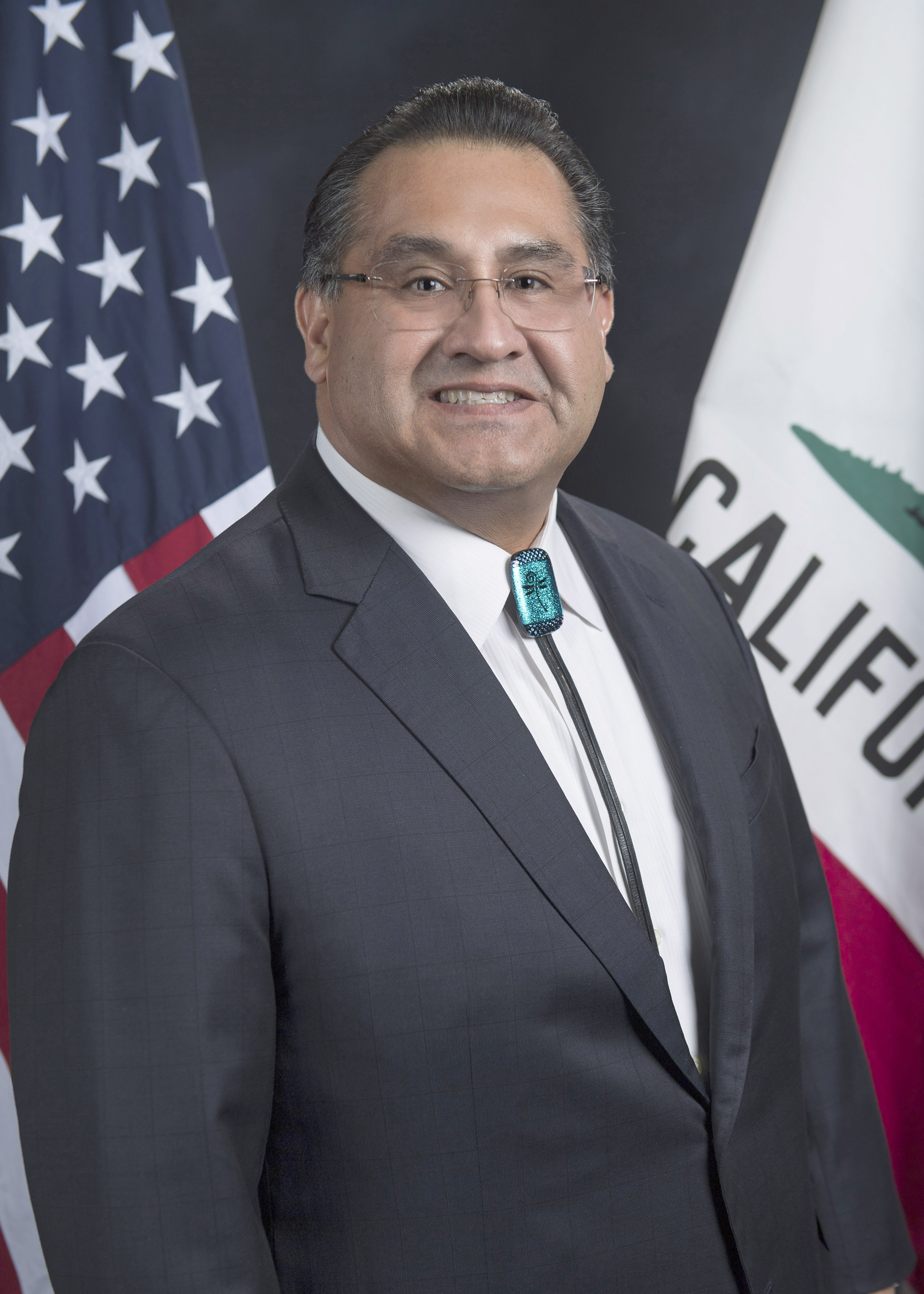
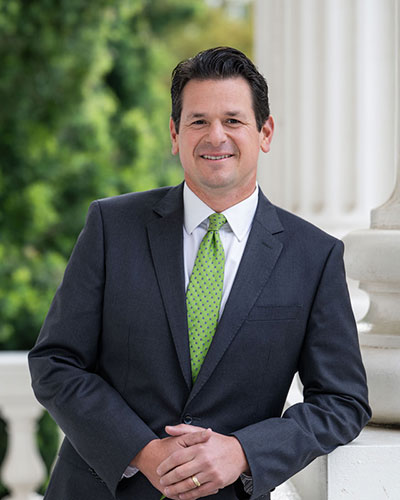
1 primary · 8 co-sponsors
Sponsors







Ask Maddy
·
AI policy assistant
Ask Maddy about AB 1881
Scope: CA
Hi! I can help you understand AB 1881. What would you like to know?
Try one of these
i
Maddy answers using official bill text and legislative records. Always verify before sharing.
Sources cited inline