AB 1790 California Assembly · 2025-2026 Regular Session

Corporations Tax Law: water's-edge election: global intangible low-taxed income.

Summary
The Corporation Tax Law imposes on every corporation doing business in the state, as defined, a tax according to or measured by net income and, in the case of a corporation with income derived from or attributable to sources both within and without this state, apportions the income between this state and other states and foreign countries in accordance with a single sales formula based on the sales within and without this state, except that in the case of an apportioning trade or business that derives more than 50% of its gross business receipts from conducting one or more qualified business activities, as defined, business income is apportioned in accordance with a specified 3-factor formula. Existing federal law, for purposes of determining a taxpayer's gross income for federal income tax purposes, requires that a person who is a United States shareholder of any controlled foreign corporation, as defined, to include in their gross income the net CFC tested income, as provided. The Corporation Tax Law, for taxable years beginning on or after January 1, 2003, for purposes of determining income derived from or attributable to sources within this state, allows corporations to make a statutory election as to whether their income is determined on a "water's-edge" basis or on a worldwide unitary basis. Under existing law, the election to report income on a water's-edge basis remains in effect until terminated, and provides conditions for the termination of the election. This bill, for taxable years beginning on or after January 1, 2026, would require a taxpayer that files on a water's-edge basis to account for net CFC tested income within the water's-edge group, as provided. The bill would require a taxpayer that files on a water's-edge basis to include all income and apportionment factors of any corporation, other than a bank, whose sales factor, instead of the average of 3 factors, in the United States is at least 20%. The bill would also terminate all water's-edge elections for the first taxable year beginning on or after January 1, 2028, and would not allow a taxpayer to make a water's-edge election, or file on a water's-edge basis, for taxable years beginning on or after January 1, 2028. The bill would authorize any taxpayer that has made a water's-edge election to terminate that election without the consent of the Franchise Tax Board for taxable years beginning on or after January 1, 2026, and before January 1, 2028. This bill would include a change in state statute that would result in a taxpayer paying a higher tax within the meaning of Section 3 of Article XIIIA of the California Constitution, and thus would require for passage the approval of 23 of the membership of each house of the Legislature. This bill would take effect immediately as a tax levy.
Bill status in committee 1 of 4 stages cleared
Introduction
Feb 2026
Committee Review
Floor Vote
Governor
Introduced Feb 10, 2026 Last action May 14, 2026
Maddy AI version diff · 2 comparisons

What changed between versions

02/10/26 - Introduced 04/29/26 - Amended Assembly · 5 edits · Apr 29, 2026
MODERATE
The amended version of AB 1790 makes two substantive policy changes to California's water's-edge election rules: it narrows the foreign corporation inclusion test from a three-factor average (property, payroll, and sales) to a sales-only factor threshold, and it limits GILTI income inclusion to only that portion actually included in US shareholders' federal gross income. The amendment also expands the list of coauthors significantly, indicating broader legislative support.
Scope change
The bill's scope is narrowed in two ways: the GILTI inclusion now applies only to income actually included in US shareholders' federal gross income, and the foreign corporation inclusion test is simplified to a sales-only factor. The sales-only test could be read as broadening which foreign corporations are captured (since it is easier to meet), while the GILTI change narrows the income subject to California tax.
ELIGIBILITY

Section 25110(a)(1)(B) changes the test for including foreign corporations in the water's-edge group from requiring that 'the average of its property, payroll, and its sales factors within the United States is 20 percent or more' to requiring only that 'its sales factors within the United States is 20 percent or more.' This removes property and payroll from the calculation, making it easier for foreign corporations to meet the threshold and be included in the water's-edge group.

DEFINITION

Section 25110(a)(2)(A)(iii) narrows the GILTI inclusion rule. The original included 'Forty percent of net CFC tested income' broadly. The amended version limits this to 'Forty percent of net CFC tested income...relating to net CFC tested income included in gross income of United States shareholders.' This means only GILTI that was actually taxed at the federal level (included in a US shareholder's gross income) is subject to California inclusion, rather than all net CFC tested income.

TECHNICAL

Section 25106.5(b) restructures the language about what the Franchise Tax Board may not regulate. The introduced version contained a confusing duplicated list with inconsistent numbering. The amended version consolidates this into a clean 'either of the following' structure with two numbered items.

Section 25110(a)(1)(C) adds 'or formed under the laws of any state, the District of Columbia, or any territory or possession of the United States' to the description of US-incorporated corporations, clarifying that entities formed (not just incorporated) in US jurisdictions are covered.

SCOPE

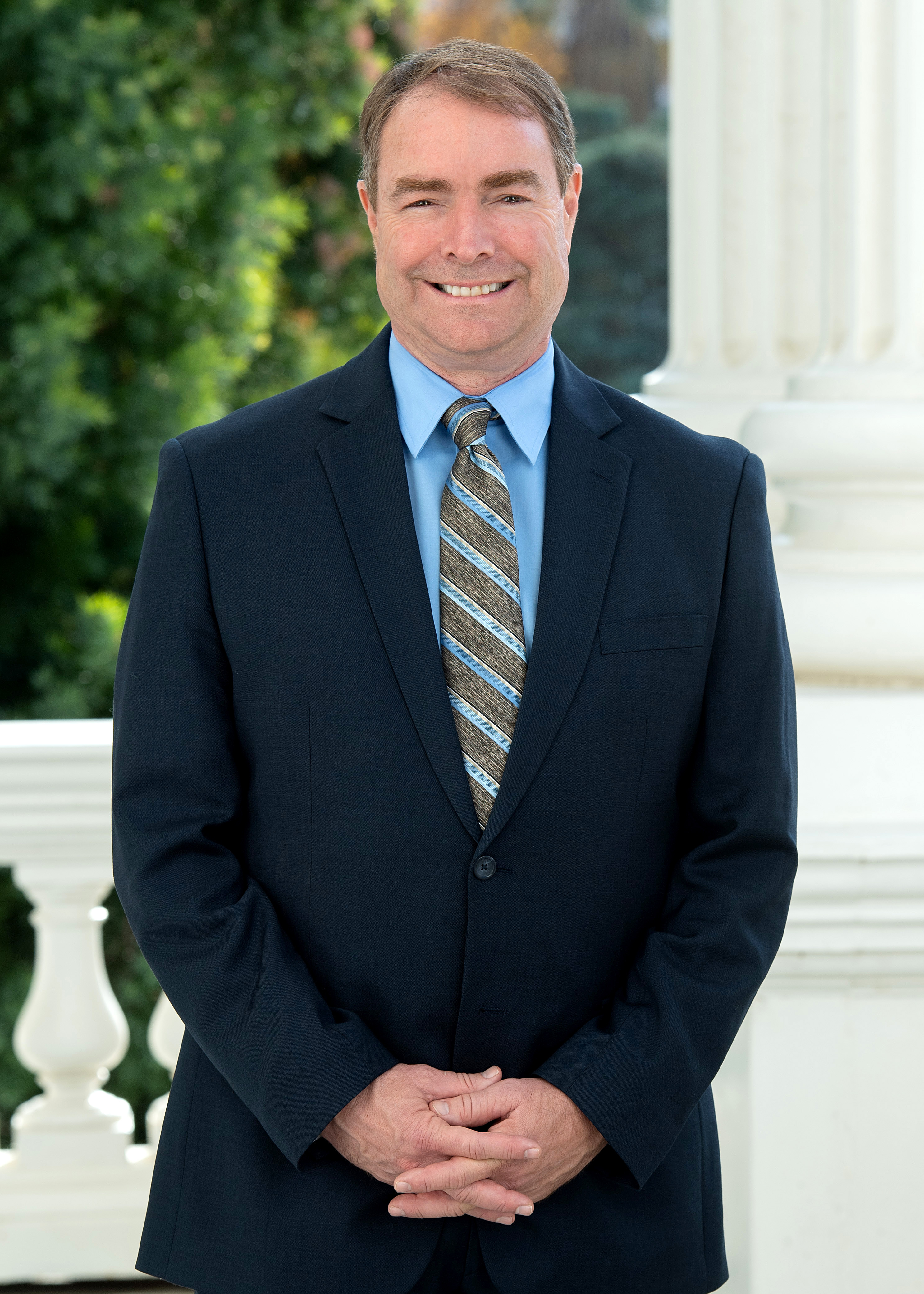
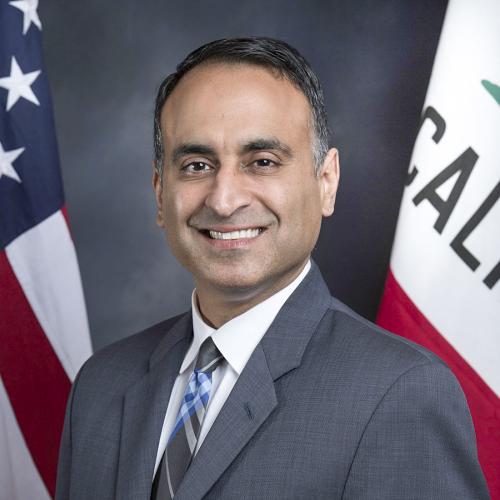
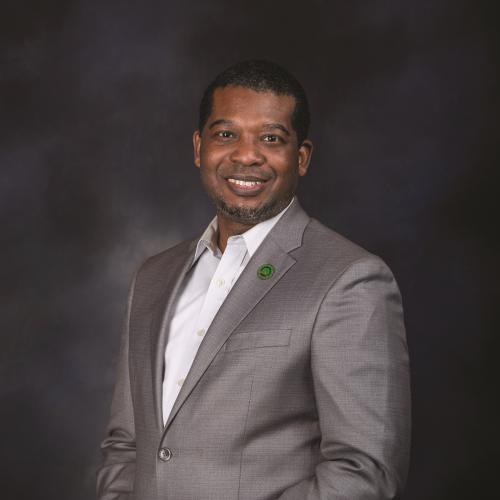
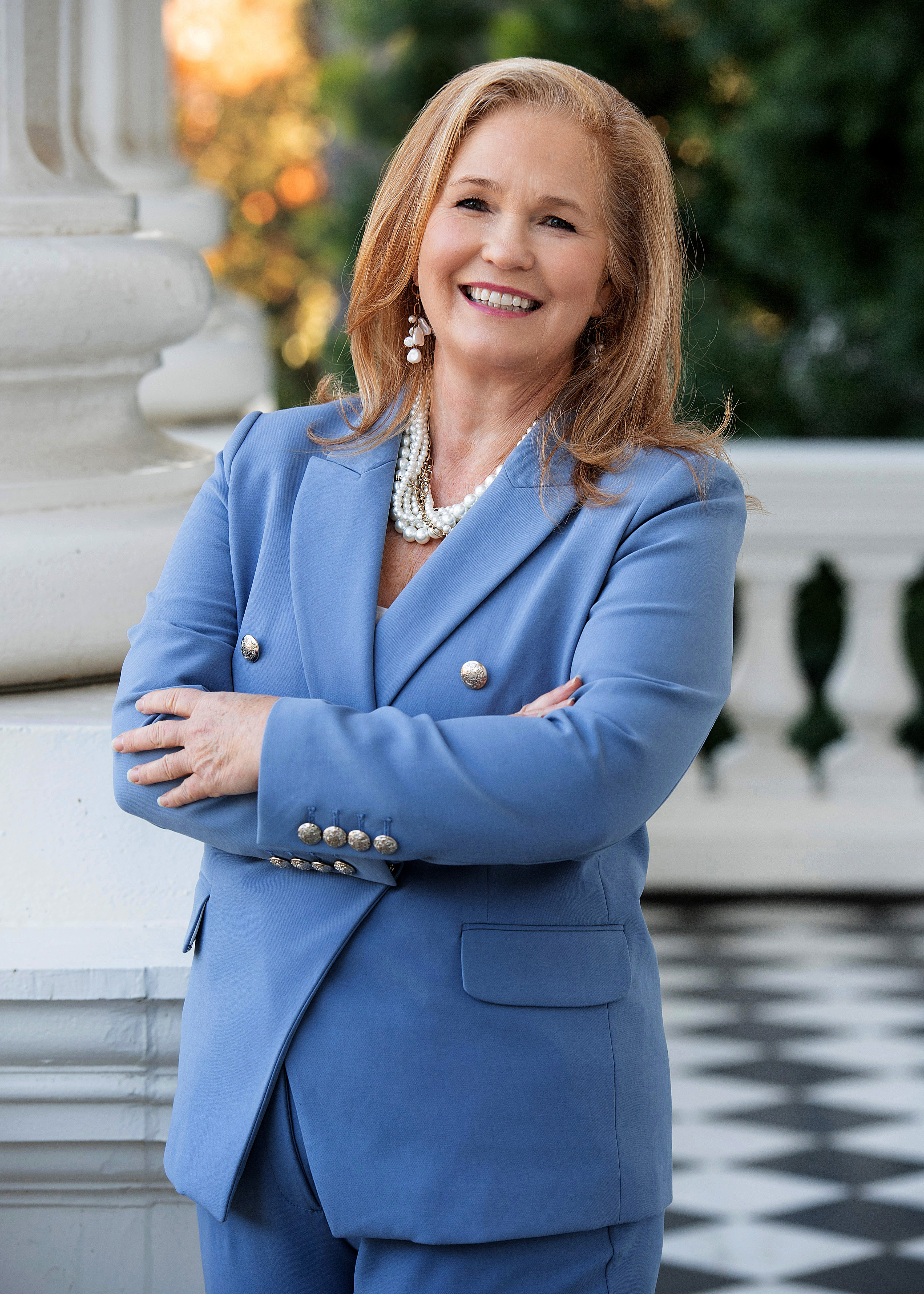
The list of coauthors expands from a single coauthor (Rogers) to 14 Assembly members plus one Senator (Gonzalez), indicating broader legislative sponsorship and support for the bill.

Floor votes

How they voted

No floor votes recorded yet.
Full legislative history

Actions timeline

Total actions
11
Key actions
3
Committee
6
Amendments
2
May 14, 2026
Lower · Passed
In committee: Hearing postponed by committee.
lower
May 13, 2026
Committee
In committee: Set, first hearing. Referred to APPR. suspense file.
lower
Apr 30, 2026
Committee
Re-referred to Com. on APPR.
lower
Apr 29, 2026
Lower · Passed
Read second time and amended.
lower
Apr 28, 2026
Introduced
From committee: Amend, and do pass as amended and re-refer to Com. on APPR. (Ayes 4. Noes 2.) (April 27).
lower
Apr 27, 2026
Committee
In committee: Set, first hearing. Referred to REV. & TAX. suspense file.
lower
Feb 23, 2026
Committee
Referred to Com. on REV. & TAX.
lower
Feb 11, 2026
Lower · Passed
From printer. May be heard in committee March 13.
lower
1 primary · 17 co-sponsors

Sponsors