

Income and corporate taxes: tax credits: motion pictures.
Summary
(1) The Personal Income Tax Law and the Corporation Tax Law allow various credits against the taxes imposed by those laws, including various motion picture credits, commonly referred to as motion picture credit 1.0, 2.0, 3.0, and 4.0, and the certified studio credit, to be allocated by the California Film Commission in differing amounts equal to specified percentages of the qualified expenditures of a qualified motion picture in this state. Existing law allows a qualified taxpayer, if a motion picture credit exceeds the taxpayer's tax liability, to elect to assign a portion of the credit to one or more affiliated corporations for each taxable year in which the credit is allowed, as specified. This bill, if a qualified taxpayer is a single member limited liability company that is disregarded for tax purposes, would additionally allow that qualified taxpayer to elect to assign any portion of a motion picture credit to one or more affiliated corporations, as specified. The bill, for purposes of the motion picture credit 3.0 and 4.0, and for purposes of the certified studio credit, would also expand the definition of a qualified taxpayer to include a single member limited liability company that is disregarded for tax purposes. (2) Existing law allows a motion picture credit (motion picture credit 4.0) to be allocated by the California Film Commission on or after July 1, 2025, in an amount equal to 20% or 25% of qualified expenditures for the production of a qualified motion picture in this state, and limits the aggregate amount of the credit that may be allocated for a fiscal year to $330,000,000, as specified. Existing law allows the California Film Commission to increase the credit amount allocated to a qualified taxpayer if specified conditions are met, including if the qualified taxpayer submits a diversity workplan that is broadly reflective of California's population in terms of race, ethnicity, gender, and disability status, and a final diversity assessment that includes specified data. Existing law defines a "qualified motion picture" for purposes of these tax credits to include a motion picture that is produced for distribution to the general public that includes, among other productions, a feature with a specified minimum production budget, an independent film, a new television series produced in California, as specified, or a television series that relocated to California. Existing law allows a qualified taxpayer to elect to be paid a refund equal to 90% of the total refundable amount, as specified, if the amount allowable as a credit under the motion picture credit 4.0 exceeds the qualified taxpayer's tax liability for the taxable year, and allows the excess to be carried over, as specified. This bill, with respect to motion picture credit 4.0, for taxable years beginning on or after January 1, 2025, would revise the definition of qualified motion picture to include live action and animated series with episodes averaging 20 minutes or more, animated films, and large-scale competition shows, as specified. The bill would specify that a television series that completed principal photography on the previous season more than 48 months prior to applying for an allocation of this credit is considered a new television series for purposes of the definition of qualified motion picture, unless certain conditions are met. The bill would increase the credit amount allowed for a qualified motion picture to 35% or 40%, as specified. The bill would additionally increase the amount of qualified expenditures the California Film Commission is allowed to consider when determining the credit amount allocated to a qualified motion picture. The bill would include veteran status and ZIP Code in the diversity workplan and final diversity assessment. The bill would increase the aggregate amount of credits that may be allocated in a fiscal year to $750,000,000, and would revise the allocation limitations for specified qualified motion pictures within that aggregate amount. The bill would additionally correct erroneous cross-references in those provisions. By requiring additional moneys to be paid from the Tax Relief and Refund Account, a continuously appropriated fund, the bill would make an appropriation. (3) Existing law also allows a credit for taxable years beginning on or after January 1, 2022, and before January 1, 2032, in an amount equal to 20% or 25%, or as modified, of qualified expenditures paid or incurred during the taxable year by a qualified motion picture produced in this state at a certified studio construction project. Existing law requires a qualified motion picture, for purposes of this credit, to provide a diversity workplan that includes goals broadly reflective of California's population, in terms of race, ethnicity, gender, and disability status. This bill, with respect to the certified studio credit, for taxable years beginning on or after January 1, 2025, would revise specified provisions of the definition of qualified motion picture, the credit amount allowed for a qualified motion picture, and the total credit amount allowed to be allocated to a television series, as specified, in conformity with the motion picture credit 4.0, as described above. The bill would also end the requirement that a certified studio construction project is produced by a qualified taxpayer that either owns more than 50% of the soundstage or soundstages on which the production is filmed or entered into a contract or lease of 10 years or more. The bill would require the diversity workplan to also include veteran status, and to indicate specified ZIP Code data related to members of the workforce. (4) Existing law requires the California Film Commission to develop an application process for the allocation of the motion picture credit 4.0 and the certified studio credit. Existing law requires the issuance of a credit for any subsequent season for the life of a television series that has been approved and issued a credit allocation under any of those credits. Existing law requires the California Film Commission to limit the amount of credits any recurring television series receives in subsequent seasons to no more than the amount reserved in the prior fiscal year it received the credit. This bill would instead limit the amount of credits received by a recurring television series to the sum of the base year allocation and the product of the base year allocation, the number of subsequent years, and 3%, as those terms are defined. The bill would additionally, for purposes of the motion picture credit 4.0, require a recurring television series to reapply for the credit if it does not request a credit allocation within 18 months from the date of completion of principal photography of the previous season, as specified. (5) Existing law establishes a Career Pathways Program, under the California Film Commission, to fund technical skills training for individuals from underserved communities for entry into film and television jobs. Existing law requires the program to work with nonprofit organizations that have an established record of training and job placement in the entertainment industry, focus on training individuals from traditionally underserved communities, and offer training courses focused on skilled, technical positions, as specified. Existing law requires a qualified motion picture to pay a fee equal to 0.5% of their approved credit amount to the program, and authorizes the California Film Commission to increase the fee amount, as specified. This bill would require the California Film Commission to expand the number of nonprofit organizations that partner with the Career Pathways Program, and would require the California Film Commission to establish an application process for nonprofit organizations to obtain approval as a Career Pathways Program. The bill would require the application meet specified requirements to be approved and would provide criteria for the California Film Commission to consider when approving applications. The bill would require the California Film Commission, before July 1, 2026, to develop criteria to incentivize the placement of trainees from the Career Pathways Program in qualified productions, and for the motion picture credit 4.0, would authorize the California Film Commission to increase the credit amount up to 2% of the credit amount allocated for qualified productions that employ trainees from a Career Pathways Program, as specified. (6) This bill would declare that it is to take effect immediately as an urgency statute.
Bill status
signed
all 5 stages cleared
Introduction
Feb 2025
Committee Review
Jun 2025
Assembly Passage
Jul 2025
Senate Passage
Jul 2025
Signed into Law
Jul 2025
Introduced Feb 20, 2025
Signed Jul 3, 2025
Floor votes · Senate Jul 3, 2025 · Assembly Jun 4, 2025
How they voted
32–2
Passed · 6 other
Total votes 40
Jul 3, 2025
D
Democratic30
96% Yea
R
Republican10
30% Yea
Vote distribution
All Yea
All Nay
Mixed
No data
Full legislative history
Actions timeline
Total actions
37
Key actions
14
Committee
12
Amendments
10
Jul 3, 2025
Senate · Passed
Senate Vote: pass (32-2-6)
senate
Jul 3, 2025
Signed into law
Approved by the Governor.
legislature
Jul 3, 2025
Lower · Passed
Urgency clause adopted. Senate amendments concurred in. To Engrossing and Enrolling. (Ayes 69. Noes 1.).
lower
Jul 3, 2025
Introduced
In Assembly. Concurrence in Senate amendments pending.
lower
Jul 3, 2025
Upper · Passed
Read third time. Urgency clause adopted. Passed. Ordered to the Assembly. (Ayes 32. Noes 2. Page 1918.).
upper
Jun 30, 2025
Upper · Passed
From committee: Do pass. (Ayes 6. Noes 0.) (June 30).
upper
Jun 26, 2025
Upper · Passed
From committee: Do pass and re-refer to Com. on APPR. (Ayes 5. Noes 0.) (June 26). Re-referred to Com. on APPR.
upper
Jun 24, 2025
Introduced
From committee chair, with author's amendments: Amend, and re-refer to committee. Read second time, amended, and re-referred to Com. on REV. & TAX.
upper
Jun 23, 2025
Introduced
From committee chair, with author's amendments: Amend, and re-refer to committee. Read second time, amended, and re-referred to Com. on REV. & TAX.
upper
Jun 18, 2025
Committee
Referred to Com. on REV. & TAX.
upper
Jun 4, 2025
Assembly · Passed
Assembly Vote: pass (72-1-5)
assembly
Jun 3, 2025
Lower · Passed
Read third time. Passed. Ordered to the Senate. (Ayes 73. Noes 1. Page 2014.)
lower
Jun 2, 2025
Lower · Passed
Read third time and amended. Ordered to third reading. (Page 1953.)
lower
May 23, 2025
Lower · Passed
Read second time and amended. Ordered returned to second reading.
lower
May 23, 2025
Introduced
From committee: Amend, and do pass as amended. (Ayes 13. Noes 0.) (May 23).
lower
May 21, 2025
Committee
In committee: Set, first hearing. Referred to APPR. suspense file.
lower
May 14, 2025
Lower · Passed
In committee: Hearing postponed by committee.
lower
Apr 29, 2025
Lower · Passed
From committee: Do pass and re-refer to Com. on APPR. (Ayes 6. Noes 1.) (April 28). Re-referred to Com. on APPR.
lower
Apr 28, 2025
Committee
In committee: Set, first hearing. Referred to REV. & TAX. suspense file.
lower
Apr 23, 2025
Committee
Re-referred to Com. on REV. & TAX.
lower
Apr 22, 2025
Introduced
From committee chair, with author's amendments: Amend, and re-refer to Com. on REV. & TAX. Read second time and amended.
lower
Apr 22, 2025
Lower · Passed
From committee: Do pass and re-refer to Com. on REV. & TAX. (Ayes 8. Noes 0.) (April 22). Re-referred to Com. on REV. & TAX.
lower
Apr 1, 2025
Committee
Re-referred to Com. on A.,E.,S., & T.
lower
Mar 28, 2025
Introduced
From committee chair, with author's amendments: Amend, and re-refer to Com. on A.,E.,S., & T. Read second time and amended.
lower
Mar 28, 2025
Committee
Referred to Coms. on A.,E.,S., & T. and REV. & TAX.
lower
Feb 21, 2025
Lower · Passed
From printer. May be heard in committee March 23.
lower
1 primary · 25 co-sponsors
Sponsors
Role
Legislator
Party
State
District
P

Rick Zbur
DDemocratic
Co
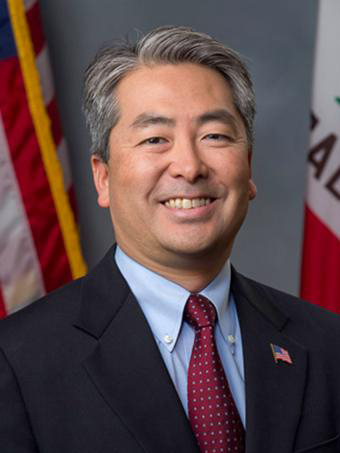
Al Muratsuchi
DDemocratic
Co
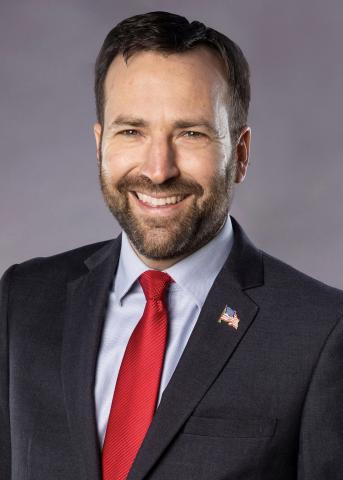
Ben Allen
DDemocratic
Co

Blanca Rubio
DDemocratic
Co

Caroline Menjivar
DDemocratic
Co
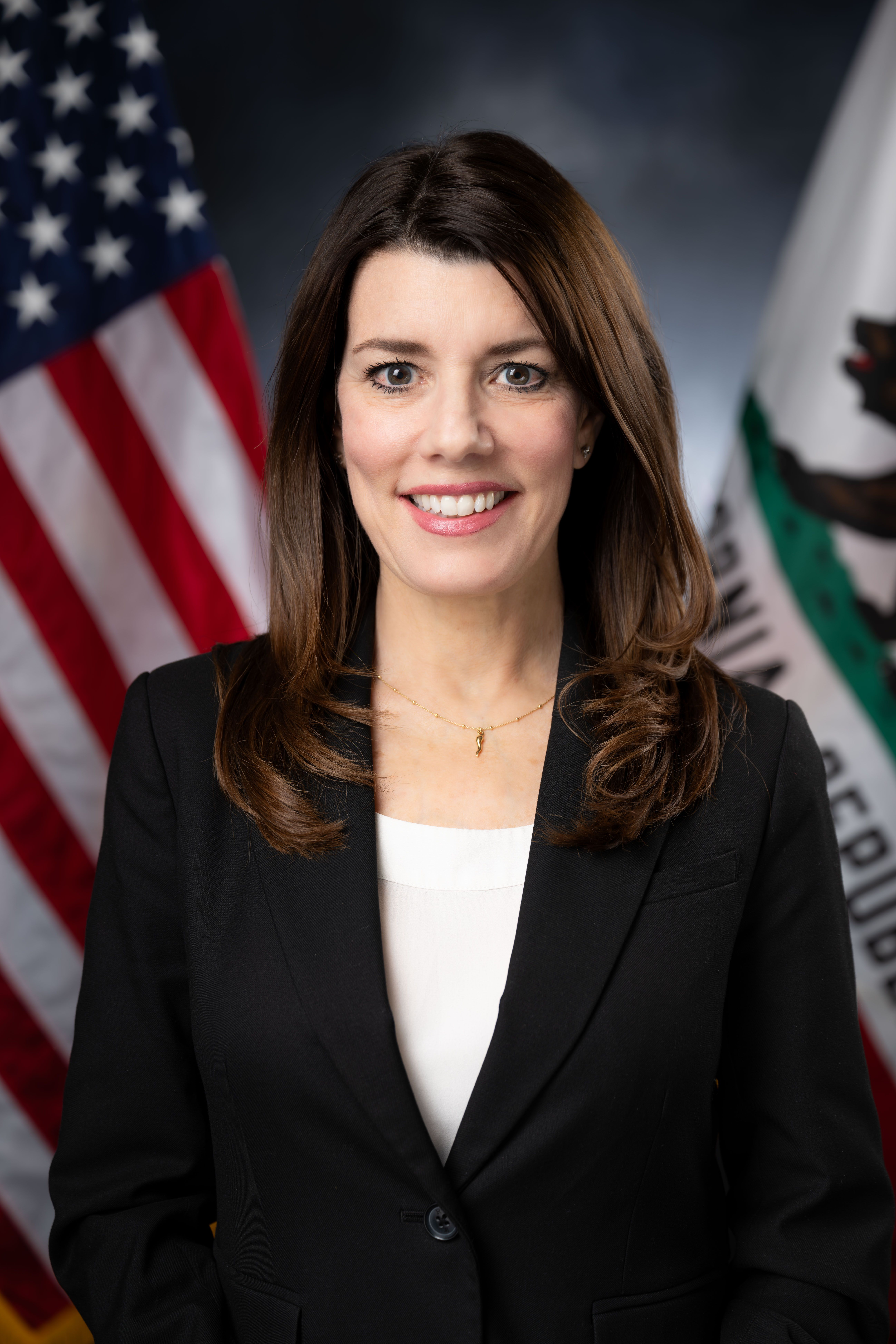
Catherine Stefani
DDemocratic
Co

Celeste Rodriguez
DDemocratic
Co

Henry Stern
DDemocratic
Co
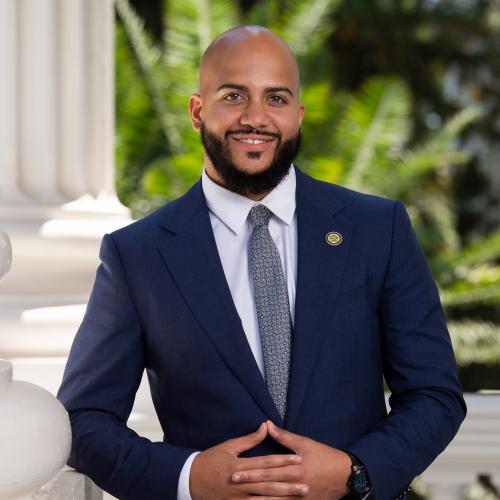
Isaac Bryan
DDemocratic
Co

Jessica Caloza
DDemocratic
Co
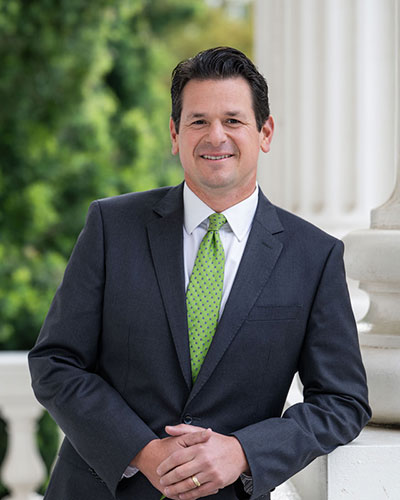
John Harabedian
DDemocratic







Ask Maddy
·
AI policy assistant
Ask Maddy about AB 1138
Scope: CA
Hi! I can help you understand AB 1138. What would you like to know?
Try one of these
i
Maddy answers using official bill text and legislative records. Always verify before sharing.
Sources cited inline