

Criminal procedure: competence to stand trial.
Summary
Existing law prohibits a person from being tried or adjudged to punishment while that person is mentally incompetent. Existing law establishes a process by which a defendant's mental competency is evaluated and if the defendant is found incompetent to stand trial, the proceedings are suspended while the defendant receives treatment, with the goal of restoring the defendant to competency. Existing law, in the case of a misdemeanor charge in which the defendant is found incompetent, requires the court to either dismiss the case or hold a hearing to determine if the defendant is eligible for diversion. Under existing law, if the defendant is not eligible for diversion, the court may hold another hearing to decide if the defendant should be referred for outpatient treatment, conservatorship, or the CARE program, or if the defendant's treatment plan should be modified. Existing law requires that the charges be dismissed if a defendant is accepted into outpatient treatment or the CARE program. Existing law also requires the court, if the defendant is already on a grant of diversion for a misdemeanor case, to dismiss the current case and return the defendant to supervision. This bill would remove the option for the court to dismiss the case and would instead require the court to hold a hearing to determine if the defendant is eligible for diversion. If the defendant is not eligible for diversion, the bill would require the court to hold a hearing to determine whether the defendant will be referred to outpatient treatment, conservatorship, or the CARE program, or if the defendant's treatment plan will be modified. If the defendant is accepted into assisted outpatient treatment, has a petition for the establishment of a conservatorship filed, or is accepted into CARE, the bill would require the court to dismiss the charges at specified timeframes, except as specified. The bill would require the court to dismiss the case if a defendant does not qualify for the above-described services. This bill would also remove the requirement that the court dismiss the case if the defendant is already on a grant of diversion for a misdemeanor case. Existing law prohibits a court from suspending proceedings of a prosecution on a charge of driving under the influence of an alcoholic beverage for the purpose of allowing the defendant to participate in education, training, or treatment programs. This bill would allow for a mentally incompetent defendant who is charged with misdemeanor driving under the influence to be placed in a mental health diversion program, as specified. Existing law requires the State Department of Health Care Services, in consultation with the Judicial Council, to develop an annual reporting schedule for the submission of CARE Act data from the trial courts and requires the Judicial Council to aggregate the data and submit it to the department. Existing law requires the department, in consultation with various other entities, to develop an annual CARE Act report and requires county behavioral health agencies and other local governmental entities to provide the department with specified information for that report. Existing law requires the annual report to be posted on the department's internet website. This bill would expand the data to be compiled and reported to the Judicial Council to include the total number of CARE plans ordered and CARE agreements approved, among other information, and would expand the information compiled from county behavioral health departments to include information on all active and former participants for a period of time after the conclusion of CARE program services, to be determined by the State Department of Health Care Services, in consultation with county behavioral health agencies and courts. The bill would also expand the information collected by county behavioral health departments and courts to include outreach and engagement activities provided by county behavioral health agencies, the number of days between a petition and its disposition, and, in consultation with the department and county behavioral health departments, the number, rates, and trends of contacts made to a county behavioral health agency about individuals eligible or likely to be eligible for the CARE process, among others. The bill would require the measures and reporting requirements to be developed by the department, in consultation with county behavioral health agencies. By increasing the duties of a local agency, this bill would impose a state-mandated local program. The bill would, beginning in 2026, require the department to include in its annual CARE Act report quantitative deidentified information to include specified information aggregated by county, such as demographic information of each CARE Act participant and the number of CARE petitions filed with the superior court, among others. This bill would incorporate additional changes to Section 1001.36 of the Penal Code proposed by SB 1323 and additional changes to Section 5985 of the Welfare and Institutions Code proposed by SB 42, to be operative only if this bill and SB 1323 and SB 42 are enacted and this bill is enacted last. The California Constitution requires the state to reimburse local agencies and school districts for certain costs mandated by the state. Statutory provisions establish procedures for making that reimbursement. This bill would provide that with regard to certain mandates no reimbursement is required by this act for a specified reason. With regard to any other mandates, this bill would provide that, if the Commission on State Mandates determines that the bill contains costs so mandated by the state, reimbursement for those costs shall be made pursuant to the statutory provisions noted above.
Bill status
signed
all 5 stages cleared
Introduction
Feb 2024
Committee Review
Aug 2024
Senate Passage
May 2024
Assembly Passage
Aug 2024
Signed into Law
Sep 2024
Introduced Feb 16, 2024
Signed Sep 27, 2024
Floor votes · Senate May 21, 2024 · Assembly Sep 1, 2024
How they voted
39–0
Passed · 1 other
Total votes 40
May 21, 2024
D
Democratic31
96% Yea
R
Republican9
100% Yea
Vote distribution
All Yea
All Nay
Mixed
No data
Full legislative history
Actions timeline
Total actions
36
Key actions
12
Committee
7
Amendments
5
Sep 27, 2024
Signed into law
Approved by the Governor.
legislature
Sep 1, 2024
Assembly · Passed
Assembly Vote: pass (64-1-14)
assembly
Aug 31, 2024
Upper · Passed
Assembly amendments concurred in. (Ayes 38. Noes 0. Page 5801.) Ordered to engrossing and enrolling.
upper
Aug 31, 2024
Introduced
In Senate. Concurrence in Assembly amendments pending.
upper
Aug 31, 2024
Lower · Passed
Read third time. Passed. (Ayes 64. Noes 1. Page 7109.) Ordered to the Senate.
lower
Aug 27, 2024
Lower · Passed
From committee with author's amendments. Read second time and amended. Re-referred to Com. on JUD.
lower
Aug 26, 2024
Committee
Re-referred to Com. on JUD. pursuant to Assembly Rule 77.2.
lower
Aug 26, 2024
Lower · Passed
Read third time and amended.
lower
Aug 15, 2024
Lower · Passed
From committee: Do pass. (Ayes 11. Noes 1.) (August 15).
lower
Jun 18, 2024
Lower · Passed
From committee: Do pass and re-refer to Com. on APPR. (Ayes 5. Noes 0.) (June 18). Re-referred to Com. on APPR.
lower
May 28, 2024
Committee
Referred to Com. on PUB. S.
lower
May 21, 2024
Upper · Passed
Read third time. Passed. (Ayes 39. Noes 0. Page 4104.) Ordered to the Assembly.
upper
May 16, 2024
Upper · Passed
From committee: Do pass. (Ayes 5. Noes 0. Page 3982.) (May 16).
upper
Apr 23, 2024
Upper · Passed
From committee: Do pass and re-refer to Com. on APPR. (Ayes 5. Noes 0. Page 3731.) (April 23). Re-referred to Com. on APPR.
upper
Apr 11, 2024
Upper · Passed
From committee with author's amendments. Read second time and amended. Re-referred to Com. on PUB S.
upper
Feb 29, 2024
Committee
Referred to Com. on PUB S.
upper
Feb 16, 2024
Introduced
Introduced. Read first time. To Com. on RLS. for assignment. To print.
upper
1 primary · 3 co-sponsors
Sponsors
Role
Legislator
Party
State
District
P

Henry Stern
DDemocratic
Co
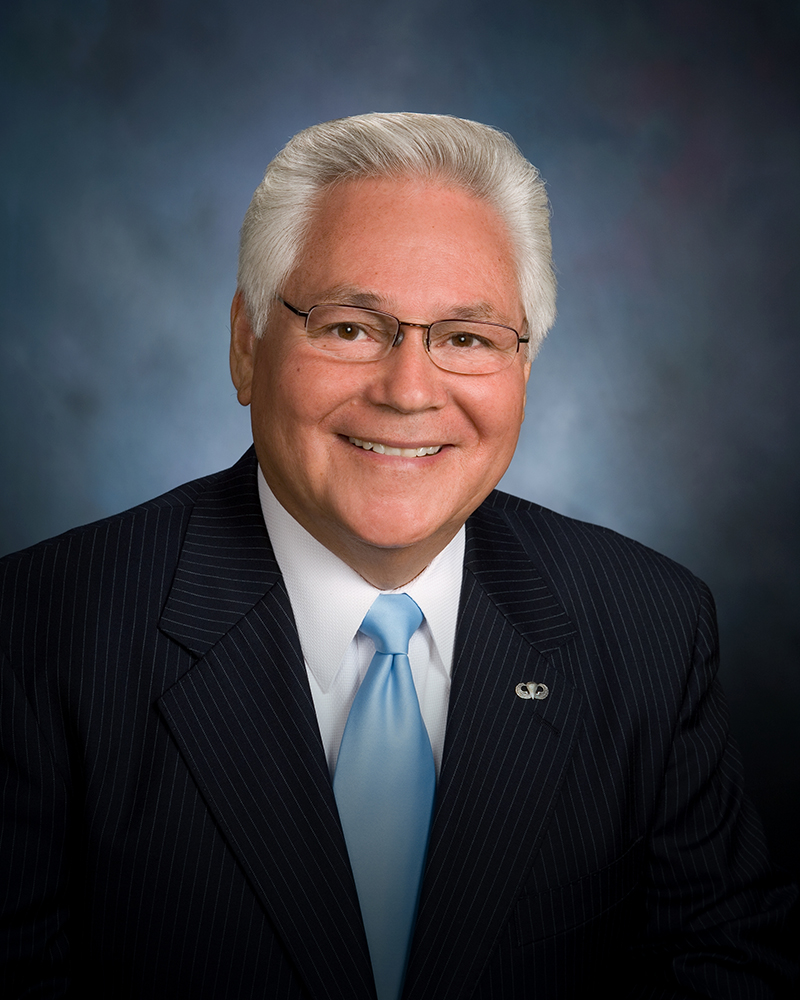
Bob Archuleta
DDemocratic
Co

Melissa Hurtado
DDemocratic
Co
Susan Eggman
DDemocratic
Ask Maddy
·
AI policy assistant
Ask Maddy about SB 1400
Scope: CA
Hi! I can help you understand SB 1400. What would you like to know?
Try one of these
i
Maddy answers using official bill text and legislative records. Always verify before sharing.
Sources cited inline